
Biggest Boxing Gloves: A Comprehensive Guide to Max Sizing
Everything you need to know about the biggest boxing glove sizes—16 oz, 18 oz, and 20 oz+—including who should use them, how to choose the right fit, and what features matter most for heavy sparring and bag work.
Understanding the Largest Boxing Glove Sizes Available
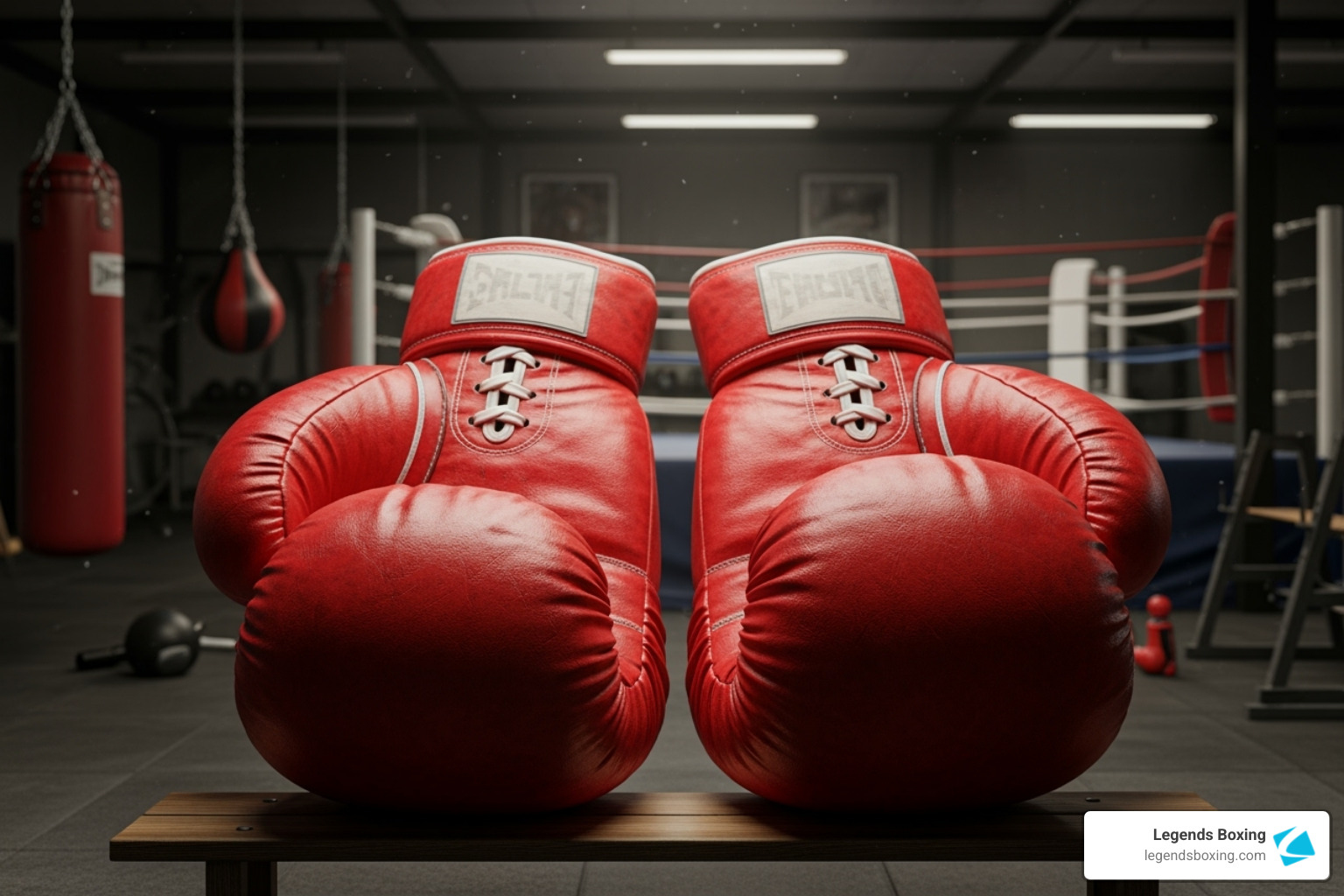
Biggest size boxing gloves typically range from 16 to 20+ ounces, designed for maximum hand protection during intense training and sparring sessions. The weight refers to the glove's total mass, not your hand size—heavier gloves contain more padding to absorb impact and protect both you and your training partner.
Here's a quick overview of who uses the biggest gloves:
- Boxers over 175 lbs — more body weight generates more force and requires more protection
- Heavy sparring sessions — maximum safety for both partners
- Fighters with large hands who need a more comfortable, secure fit
- Training scenarios where partner protection is paramount
While professional fights use lighter 8–10 oz gloves for speed, training with the biggest size boxing gloves builds endurance and provides crucial safety benefits.
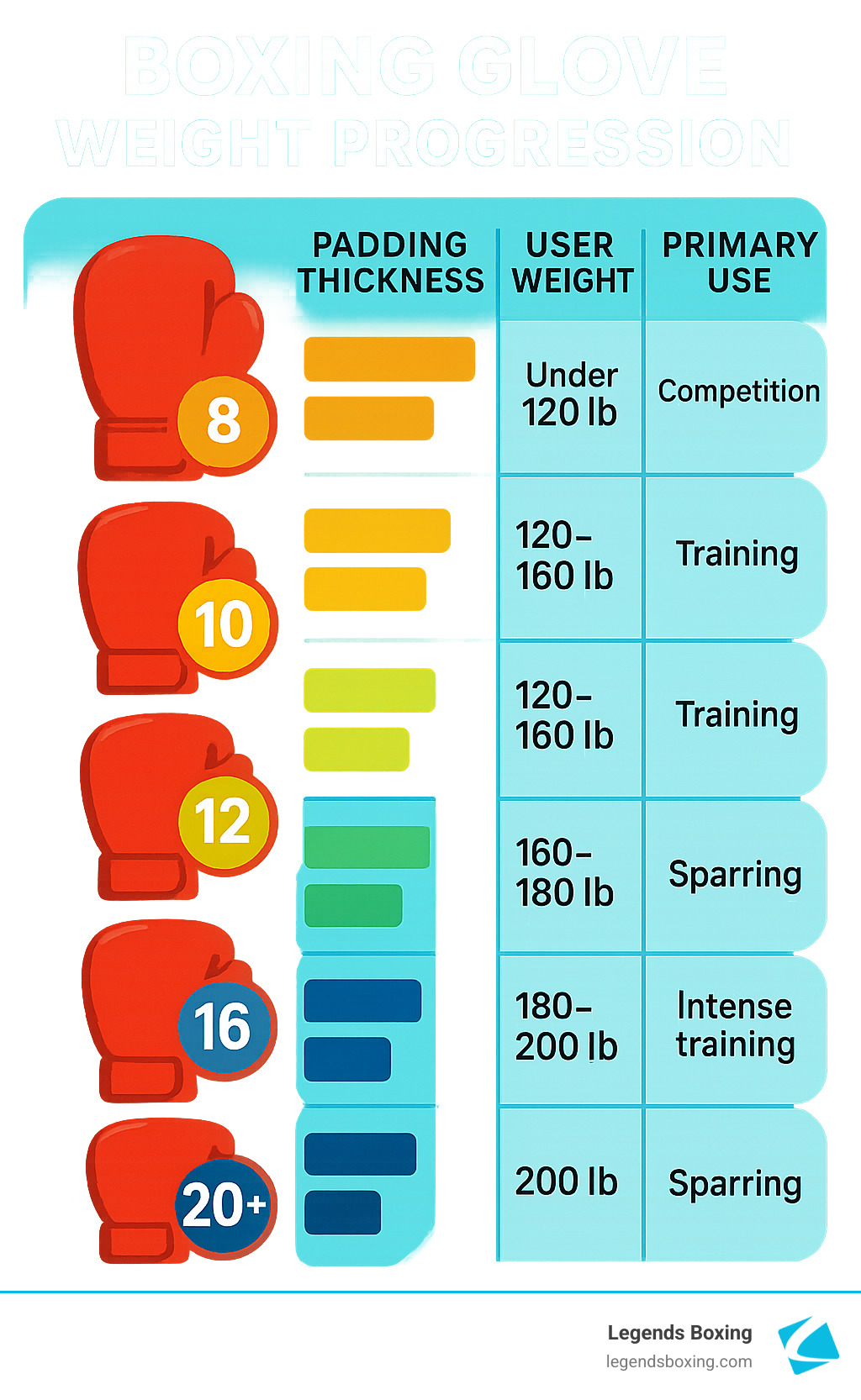
I'm Robby Welch, National Head Coach at Legends Boxing. Over the past two years I've helped countless members choose the right equipment for their training goals, including guidance on biggest size boxing gloves for maximum protection. Let's break it all down.
Decoding Boxing Glove Sizes: More Than Just a Number
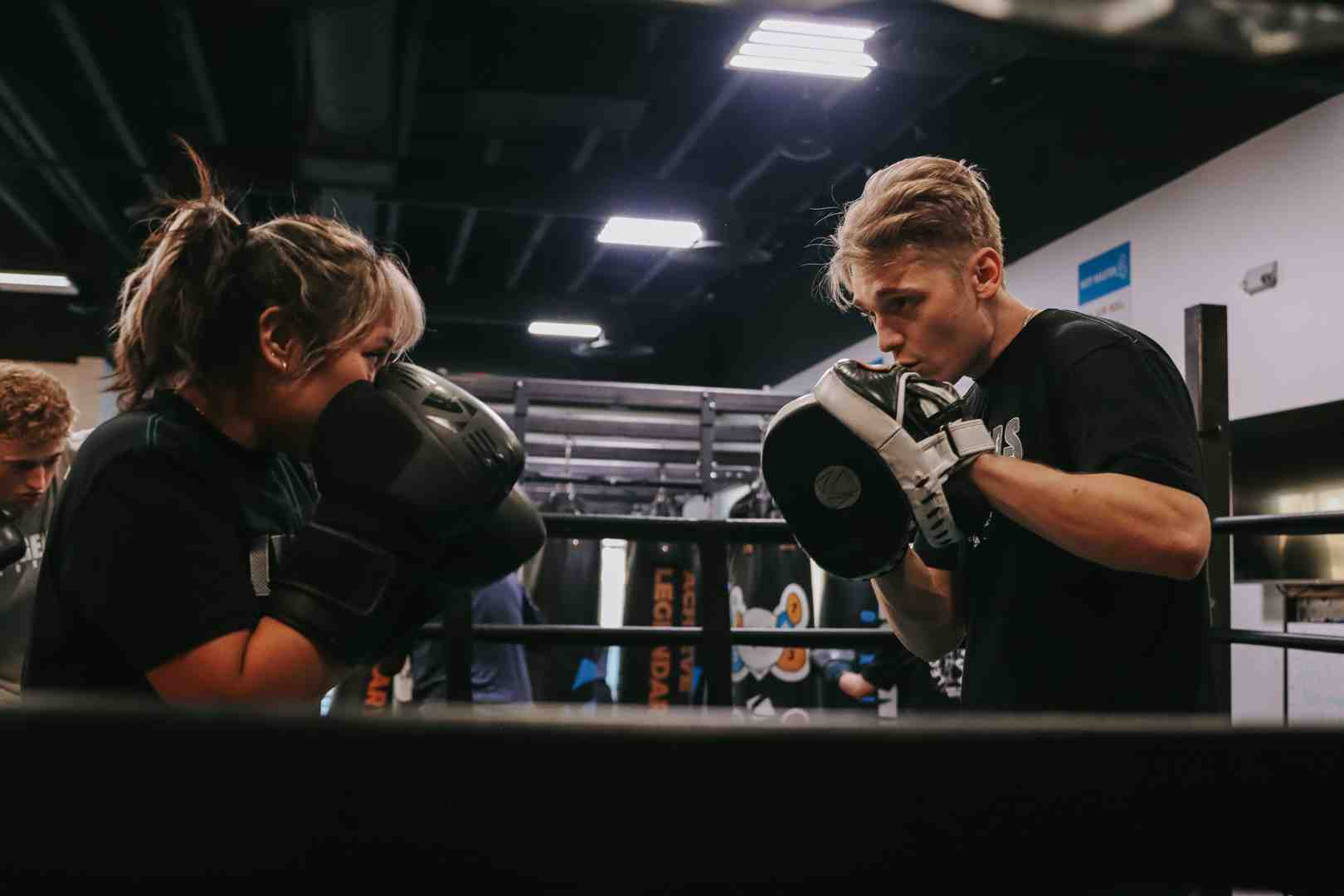
A common point of confusion for new boxers: glove size doesn't refer to hand fit, it refers to glove weight measured in ounces (oz). A higher ounce number means more padding—better protection for your hands and your training partners.
Here's the standard weight breakdown:
| Glove Weight | Recommended Boxer Weight | Primary Use |
|---|---|---|
| 8 oz | Under 150 lbs | Professional competition |
| 10 oz | 100–150 lbs | Pro heavyweight fights, pad work |
| 12 oz | 100–150 lbs | All-around training, light sparring |
| 14 oz | 151–175 lbs | Sparring and pad work |
| 16 oz | 175+ lbs | Heavy sparring, bag work |
| 18 oz+ | 181+ lbs | Maximum protection sparring |
Don't confuse glove weight with hand size. A smaller person might use heavy 16 oz gloves for protection, while a larger person could use 12 oz gloves for speed work. The key is the padding distribution, which spreads impact across a cushioned surface.
Glove Weight and Its Impact on Performance
- Speed vs. protection — Lighter 10–12 oz gloves allow faster combinations; heavier gloves prioritize safety
- Strength training — Using 16–18 oz gloves is like resistance training for your arms; your hands feel much faster when you switch back to lighter gloves
- Endurance — Pros train heavy so competition-weight gloves feel light and fast
- Sparring — Heavy gloves are non-negotiable; the extra padding ensures you and your partner can practice safely
The Heavy Hitters: A Look at the Biggest Size Boxing Gloves
When you're ready to step up your training, it's time for the biggest size boxing gloves: 16 oz, 18 oz, and 20 oz+. The extra weight translates to more padding, creating a protective barrier that keeps you and your partner safe during intense sessions.
16 oz Gloves: The All-Around Training Standard
If you could only own one pair of training gloves, 16 oz gloves are the smart choice. They are the versatile standard for most serious training.
- Sparring — ample padding is essential for partner safety; most gyms won't let you spar in anything lighter
- Heavy bag workouts — protects your hands and wrists, allowing you to train longer and harder
- Anyone over 175 lbs — this should be your minimum standard; more body weight generates more force
18 oz and 20 oz Gloves: Maximum Protection for Heavyweights
For big hitters and heavyweight boxers (181+ lbs), even 16 oz gloves may not be enough. This is where 18 oz and 20 oz gloves—the absolute biggest size boxing gloves—come in.
- Designed for maximum protection during intense sparring sessions
- Added cushioning stabilizes wrists and distributes impact, vital when trading punches with heavy hitters
- Training with heavier gloves builds strength so competition gloves feel significantly faster
- Those with large hands find the fit more comfortable and secure
How to Choose Your Perfect Fit
Choosing the right boxing gloves comes down to three factors: body weight, hand circumference, and training goals.
- Aim for a snug fit with hand wraps on — not cramped, not loose
- Use heavier 16–18 oz gloves to build strength
- Use lighter 12 oz gloves to work on speed
- Hand wraps are non-negotiable — they support small bones and wrists, improve glove fit, and absorb sweat
Sizing by Activity: Bag Work vs. Sparring
You shouldn't use the same gloves for every activity. It's best to have separate pairs:
Bag gloves (12–14 oz) — designed to withstand repeated, high-impact shock. Provide solid protection while allowing for speed.
Sparring gloves (16 oz+) — all about safety. The biggest size boxing gloves are essential to protect your training partner. Using separate gloves also preserves the padding in your sparring gloves and is more hygienic.
Sizing for Beginners and Youth Boxers
- Beginners — start with versatile 12 oz or 14 oz gloves; enough protection to learn proper technique on pads and bags
- Youth boxers — typically 6–10 oz based on age and weight
- Ill-fitting gloves can lead to injury, so always size with wraps on
Ready to try boxing for the first time? Book a free workout at Legends Boxing and our coaches will guide you through everything.
Beyond the Ounces: Other Crucial Glove Features
While weight matters tremendously, there's much more to consider. The material, closure system, and construction determine how long your gloves last, how comfortable they feel, and how well they protect you.
Materials: Leather vs. Synthetic
Genuine leather is the champion of boxing glove materials. It's what the pros use—incredibly durable, gets more comfortable over time as it molds to your hand, and stays breathable during long sessions. This is especially important when using biggest size boxing gloves for extended sparring.
Synthetic leather (vinyl/PU) offers a more budget-friendly path. Quality synthetic gloves can provide excellent protection for beginners or casual trainers. Some brands use advanced materials like Vylar® Engineered Leather for leather-like durability at a lower price. Synthetic gloves are also ready to use right out of the box, with no break-in period.
Closures: Lace-Up vs. Velcro
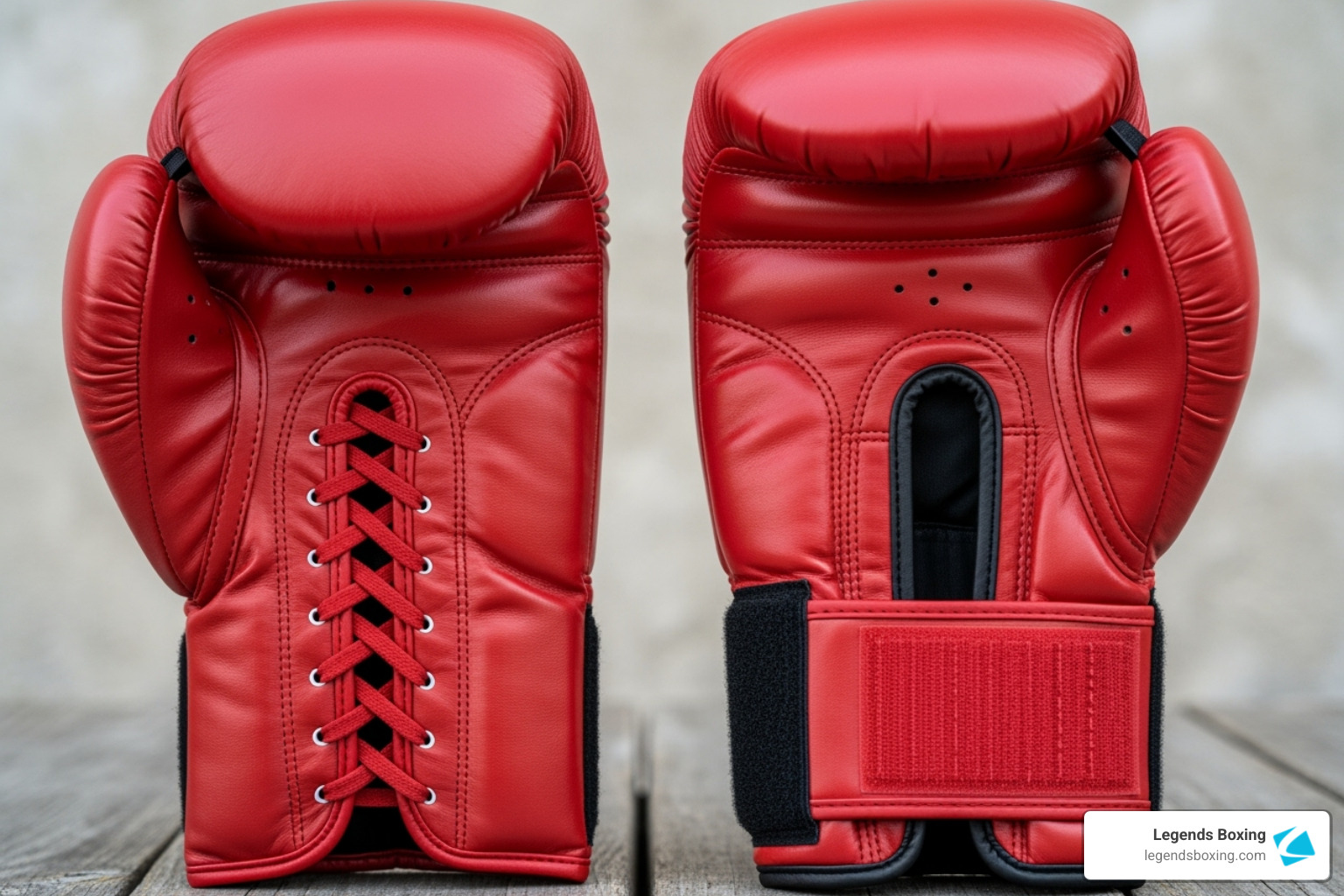
Lace-up gloves are the gold standard for serious boxers. They provide the most secure fit—you can adjust tightness exactly where you need it. Professional fighters use lace-ups in competition for superior wrist stability. The downside: you'll need a partner or coach to help put them on and take them off.
Velcro closures are the practical choice for most gym-goers. You can put them on yourself, perfect for solo training. Modern wide-strap Velcro systems wrap around your wrist like a second hand wrap, providing excellent support.
When using biggest size boxing gloves for intense sparring, wrist stability is critical—the added weight means more stress on the joint. For most people training at Legends Boxing, Velcro gloves offer the perfect balance of convenience and protection.
Signs of Wear and Tear: When to Replace Your Gloves
Even the best gloves won't last forever. Watch for these red flags:
- Flattened padding — if you feel more impact than usual, or padding feels lumpy or compressed, it's time for new gloves
- Cracks or tears — once the outer shell is compromised, moisture breaks down the padding faster
- Worn-out closures — if Velcro barely sticks or lace eyelets are tearing, your gloves can't provide proper wrist support
- Persistent odor — even after airing out, a strong smell signals serious bacterial buildup
Most quality gloves last over two years with proper care. If you train regularly with intensive sessions, plan to replace them every 6–12 months. Regular maintenance—airing out after each session, using glove deodorizers—significantly extends their life.
Frequently Asked Questions
Do heavier gloves make you hit harder?
No—and this surprises a lot of people. Force equals mass times acceleration. While biggest size boxing gloves add some mass, they slow down your punches significantly. All that extra padding also distributes impact over a larger surface, spreading force rather than concentrating it.
The real benefit of training heavy? Building strength and endurance. After months of throwing punches in 18 oz gloves, switching to 10 oz competition gloves feels like your hands are flying. It's like training with ankle weights—when you take them off, you feel incredibly light and fast.
Can I use one pair of gloves for everything?
For beginners, yes—16 oz gloves are a versatile option that covers most bases. But as you progress, separate pairs for bag work and sparring will serve you better:
- Bag gloves take a brutal beating; using sparring gloves on the bag breaks down padding faster
- Keeping gloves separate is more hygienic
- Different activities benefit from slightly different glove characteristics
What size gloves do heavyweight pros like Mike Tyson use?
In professional fights, heavyweights typically use 10 oz gloves. Those lighter gloves maximize hand speed for decisive impacts. But for training and sparring, they use much heavier gloves—often 16 oz, 18 oz, or even custom larger sizes. It's the classic approach: train heavy, fight light.
Finding the Right Protection for Your Power
Glove size is about weight and protection, not hand fit. When we talk about biggest size boxing gloves like 16 oz, 18 oz, or 20 oz+, we're talking about maximum padding for maximum safety.
- Starting out? A versatile 12 or 14 oz pair gives you room to grow
- Training regularly? Invest in separate gloves for bag work and sparring
- Looking for maximum protection? Those 16 oz+ gloves are calling your name
At Legends Boxing, our coaches have helped countless members find their perfect glove match. Choosing the right gear is the first step to unlocking your full potential and ensuring a safe, effective, and enjoyable boxing journey.
Ready to put your new knowledge to work? Book a free workout and let our expert coaches help you choose the right gear for your goals. Or find a Legends Boxing near you and come see our facility firsthand.