
No More Guesswork: Finding Your Ideal Boxing Glove Size for Heavy Bag Work
Choosing the wrong boxing glove size for punching bag training leads to sore hands, poor technique, and even injury. This guide covers exactly how to match your body weight and training goals to the right ounce rating — plus what else to look for in materials, wrist support, and fit — so every bag session counts.
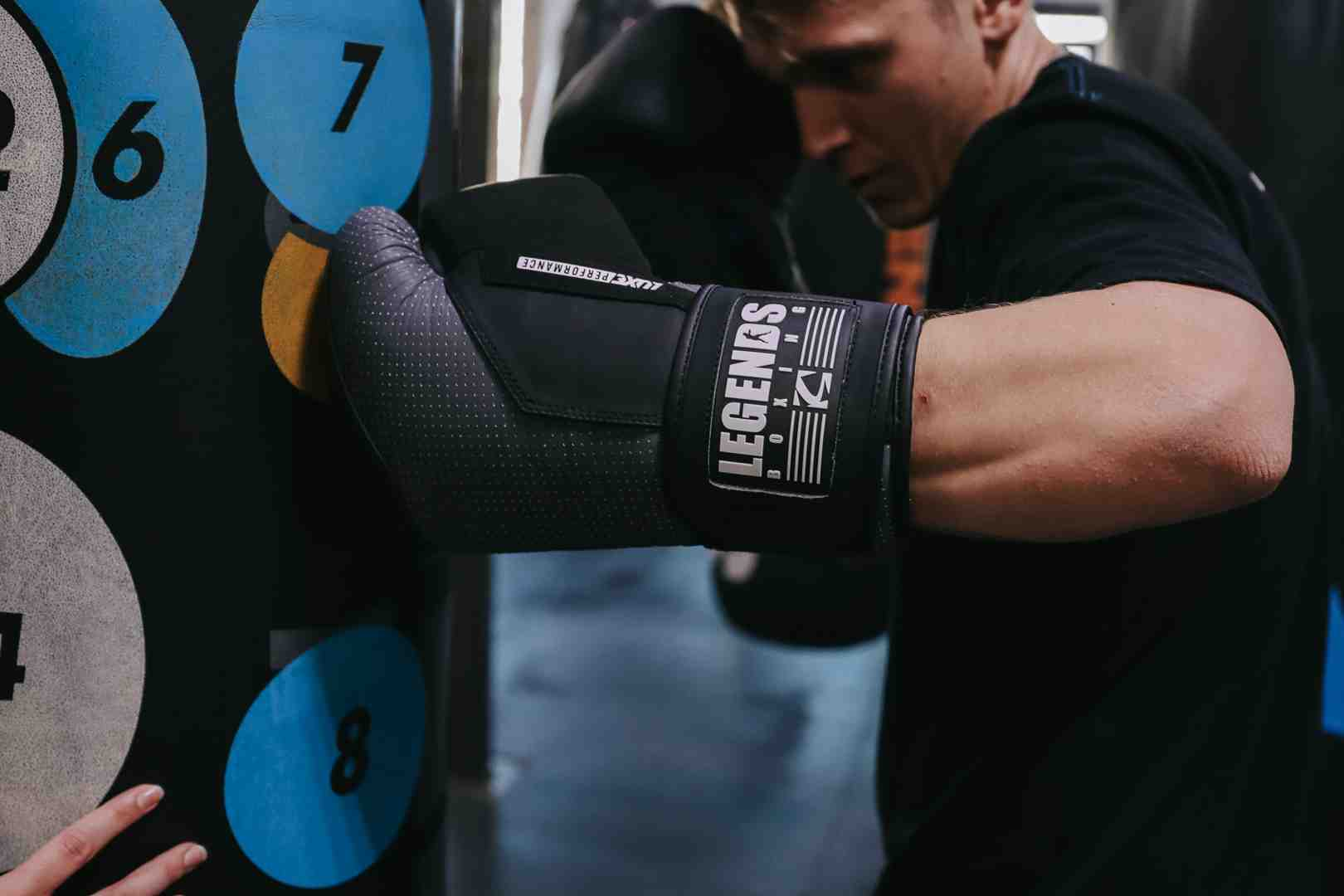
Why Boxing Glove Size for Punching Bag Training Is Your First Step to Success
Boxing glove size for punching bag workouts isn't just about comfort — it's about safety, performance, and getting the most from every punch you throw.
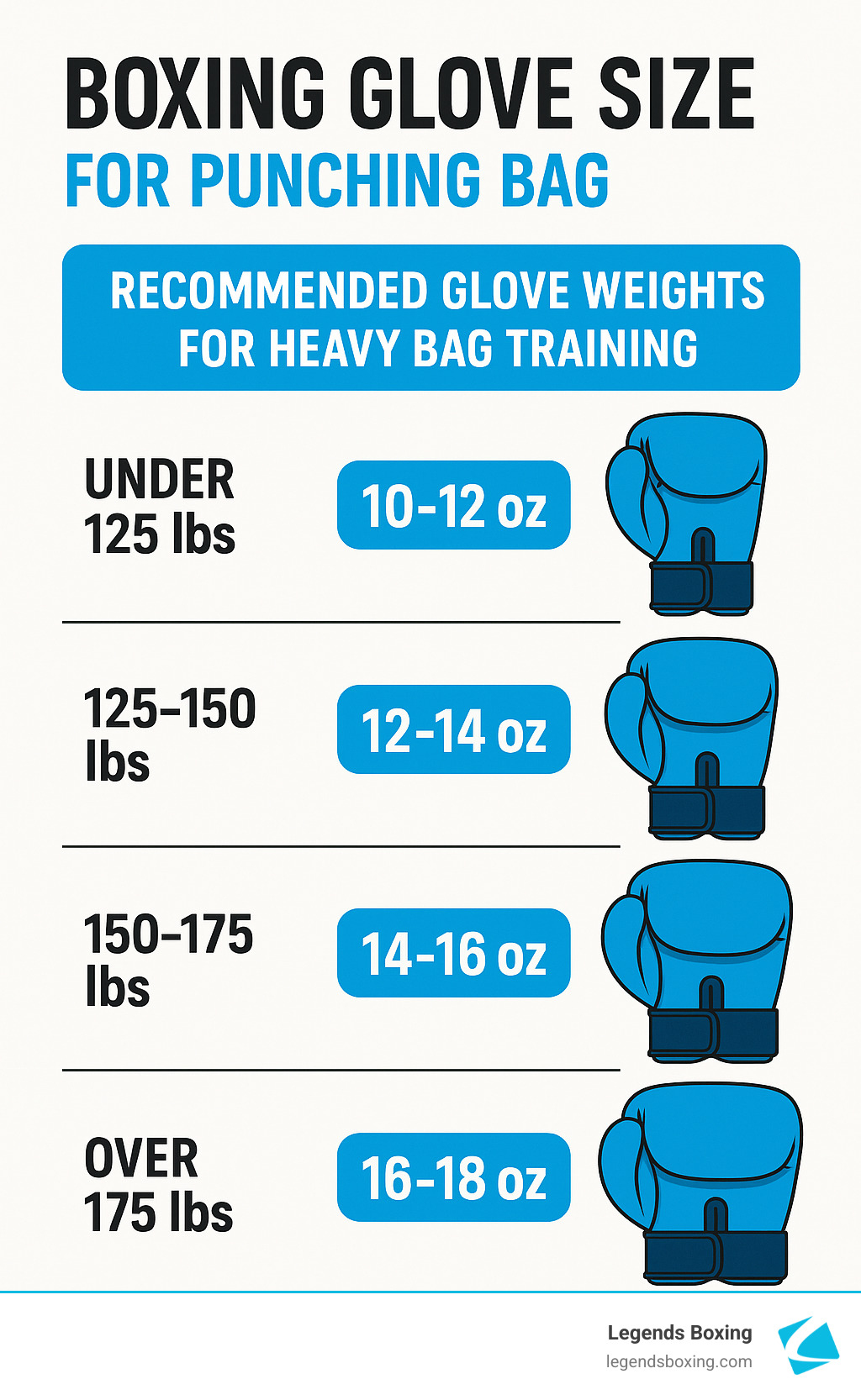
Quick answer for heavy bag training:
- Under 125 lbs: 10–12 oz gloves
- 125–150 lbs: 12–14 oz gloves
- 150–175 lbs: 14–16 oz gloves
- Over 175 lbs: 16–18 oz gloves
The wrong glove size can turn an empowering workout into a frustrating experience filled with sore hands, poor technique, and injury. Too light, and you'll lack the padding needed to protect your knuckles during intense bag sessions. Too heavy, and you'll sacrifice the speed and precision that make boxing such an effective fitness tool.
Glove weight — measured in ounces — directly impacts how much padding protects your hands, not the glove's physical size. That padding determines everything from your punch power to your endurance during those satisfying heavy bag rounds.
I'm Robby Welch, National Head Coach at Legends Boxing. Having coached thousands of members and developed our nationwide coaching curriculum, I've learned that proper glove selection is the foundation of every successful boxing journey.
Why Your Glove Choice Matters: Protection, Performance, and Power
Your hands are incredibly complex — filled with tiny bones, delicate ligaments, and joints that weren't designed to punch solid objects repeatedly. The right boxing glove size for punching bag training acts like a protective barrier between your knuckles and that unforgiving leather surface.
Quality gloves do more than cushion the blow. They provide wrist support to prevent painful hyperextensions that can sideline your training for weeks. The padding absorbs impact forces that would otherwise travel straight up through your hand and into your wrist. Proper gloves also help maintain correct punching technique by encouraging proper fist formation.
A myth we love busting at Legends Boxing: heavier gloves don't make you hit harder. Those extra ounces represent more padding, which actually softens your punches. Your power comes from technique, speed, and strength — not the glove itself. A 16oz glove is designed to protect, not to add knockout power.
Decoding Glove Weight: Ounces vs. Size
When we talk about boxing glove size for punching bag workouts, we're not talking about small, medium, or large like a t-shirt. We're talking ounces (oz) — and those ounces tell you how much padding is packed inside.
More ounces = more padding = better protection. It's that simple.
- Bag gloves (10–14oz for most adults): built for speed and technique while protecting your knuckles against hard surfaces
- Sparring gloves (16oz and up): maximum padding to protect both you and your training partner
- Training gloves (12–16oz): all-around workhorses for mixed workouts
The Importance of a Proper Fit
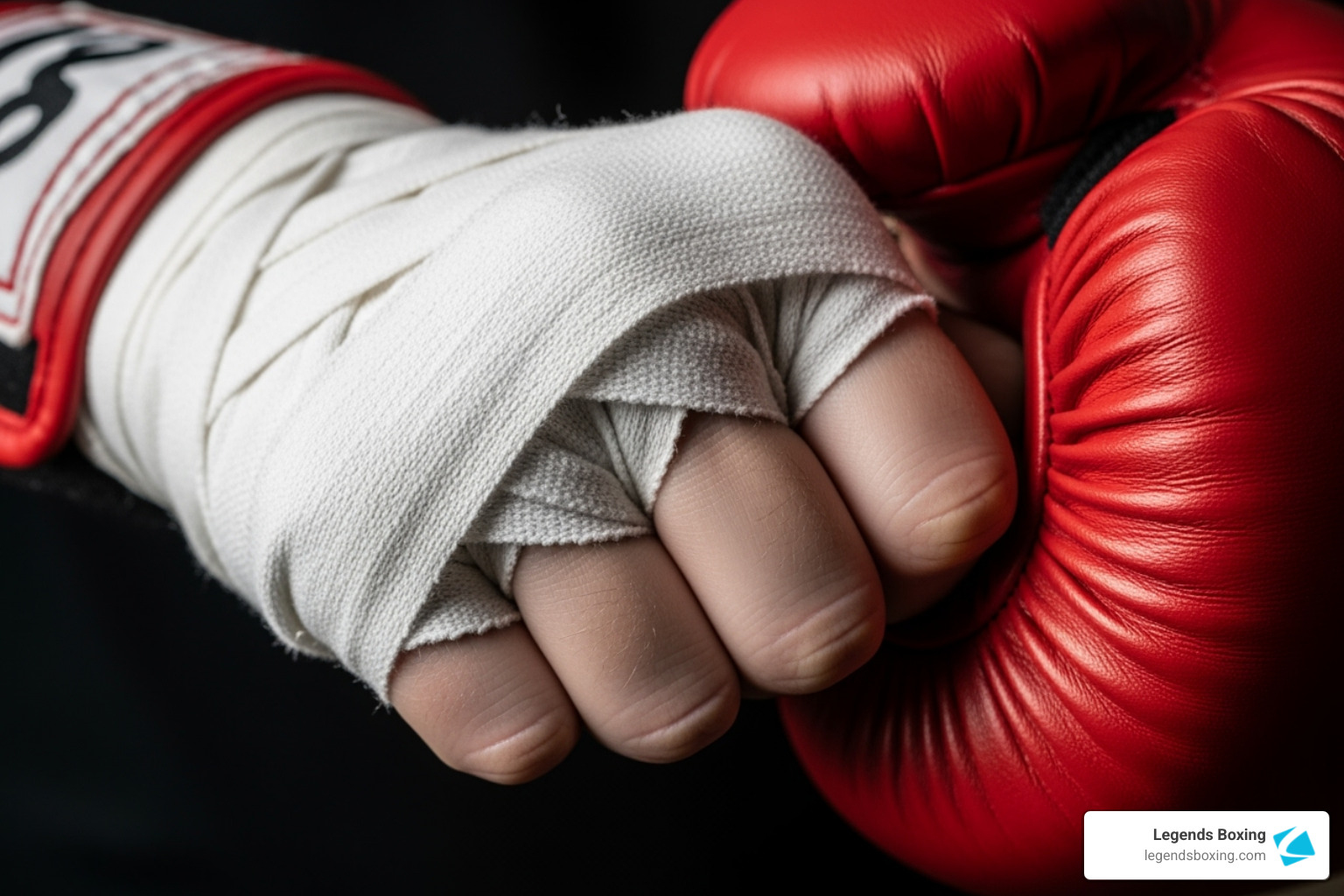
Hand wraps aren't optional — they're your first line of defense. These strips of fabric support your wrists, compress your knuckles, and fill out the glove for a proper fit. Always try on gloves with your wraps already on, because that's exactly how you'll be wearing them during every workout.
The perfect fit feels snug but not suffocating. Your wrapped hand should fill the entire glove without sliding around inside:
- Too loose: blisters and poor impact distribution
- Too tight: cut-off circulation, fighting the glove instead of the bag
- Just right: you can make a solid fist without the glove fighting back
The wrist strap needs to secure firmly, preventing your wrist from bending backward when you connect with the bag. When everything fits correctly, the glove becomes an extension of your hand — and that's when the magic happens.
How to Choose the Right Boxing Glove Size for Punching Bag Workouts
Your body weight serves as the foundation. Heavier people generate more force when they punch, which means they need more padding to absorb that impact. But body weight is just the starting point — your training goals matter just as much.
| Training Activity | Recommended Weight | Primary Focus |
|---|---|---|
| Heavy Bag Work | 10–18oz (based on body weight) | Power, Endurance, Technique, Speed |
| Sparring | 16–20oz (minimum 16oz) | Partner Safety, Protection, Control |
| Pad Work / Mitts | 10–14oz | Speed, Accuracy, Technique |
| General Training | 12–16oz | Versatility, Balance |
By Body Weight
Under 125 lbs: 10–12oz gloves provide excellent protection without overwhelming your hands. If you're just starting out, 12oz gives you extra cushioning while learning proper technique.
125–150 lbs: 12–14oz is the sweet spot. The 12oz option is fantastic for speed and technique development, while 14oz gives more protection for intense sessions. Many members in this range own both and switch depending on workout focus.
150–175 lbs: 14–16oz is typically the sweet spot for this common weight range. A 14oz glove offers solid protection and versatility, while 16oz provides maximum hand safety and can double as light sparring gloves. The 16oz option also adds an endurance challenge while keeping hands completely safe.
Over 175 lbs: 16–18oz is essential for absorbing the significant force larger individuals generate. Some heavier hitters even prefer 18–20oz for regular bag work — like adding resistance training to every punch while maintaining complete hand protection.
These are starting points, not rigid rules. Your comfort and safety matter most.
Matching Glove Weight to Your Training Goals
Lighter gloves (10–12oz) are your secret weapon for speed work and technique refinement. Every movement feels crisp and quick — you can work on rapid-fire combinations and focus on precision, accuracy, and the smooth, flowing technique that separates good boxers from great ones.
Heavier gloves (14–16oz and up) transform your workout into a strength and endurance powerhouse. Every punch becomes a mini resistance exercise. Your shoulders, arms, and core work harder to move that extra weight, building serious functional strength over time. After training with heavier gloves for a few weeks, stepping back to lighter gloves makes your hands feel incredibly fast.
Many of our most dedicated members use the "pyramid approach" — starting sessions with heavier gloves for strength and endurance work, then switching to lighter gloves for speed and technique drills. The best of both worlds.
Beyond the Ounces: Other Crucial Features for Heavy Bag Gloves
Materials: Durability and Comfort
Genuine leather is the tried-and-true champion — lasts longer, breathes better, and gets more comfortable over time as it molds to your hands. There's a break-in period, but once broken in, they feel custom-made. Main downside: the upfront cost.
Synthetic leather (PU or vinyl) is a budget-friendly choice that's improved dramatically in recent years. Perfect for beginners or those who train less frequently. Modern synthetics like Hayabusa's Vylar have seriously closed the quality gap. The trade-off is typically breathability — they can get sweatier inside.
The bottom line on durability: buying cheap gloves twice costs more than buying good ones once. Gloves that fall apart after a few months of regular training are never a bargain.
Closure Systems: Convenience Meets Support
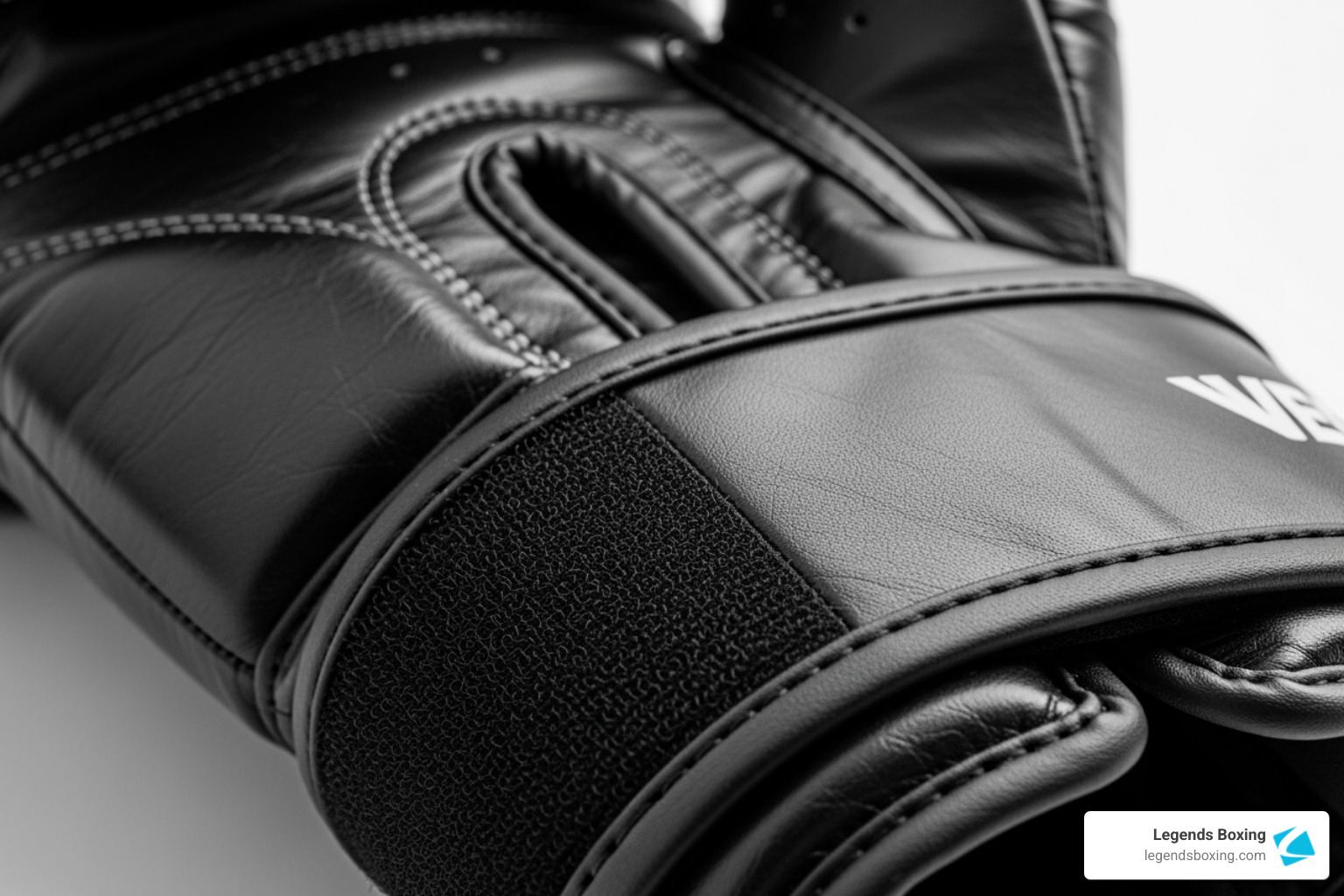
Velcro straps are the clear winner for fitness classes and solo training. You can put them on and take them off yourself — essential during high-energy classes when you need to grab water, adjust wraps, or transition to other exercises. Modern Velcro systems with wider straps provide excellent wrist support — everything you need for heavy bag work.
Lace-up gloves provide the most secure, customized fit possible and professional boxers love them. But unless you have a training partner willing to tie and untie your gloves every time, they're more hassle than they're worth for most people.
For our members, Velcro is almost always the right call.
Key Features to Look For
Padding distribution: even, high-density foam across your knuckles and the back of your hand. Think of it as your personal shock absorber system. Some gloves add extra cushioning right over the knuckles — a nice touch for power punchers.
Solid wrist support: a well-designed cuff prevents your wrist from bending backward or twisting on impact. Some premium gloves include internal splinting or reinforced cuffs for additional protection.
Proper thumb attachment: keeps your thumb safe and aligned with your fist. Without it, you risk jamming or hyperextending your thumb — painful and entirely avoidable.
Quality stitching: reinforced seams that can handle repeated impacts. Poor stitching is usually the first thing to fail on cheaper gloves.
A good inner lining: moisture-wicking materials keep your hands dry and comfortable; anti-microbial treatments fight the bacteria that cause that dreaded gym glove smell.
Frequently Asked Questions About Heavy Bag Gloves
Can I use the same gloves for heavy bag work and sparring?
No — and this is a safety issue, not a preference. Heavy bag work gradually compresses padding, turning plush cushioning into thin, flat foam. Using those worn-down gloves in sparring puts both you and your partner at risk. Sparring gloves need to be 16oz or heavier specifically because they're engineered with maximum padding to keep everyone safe.
The small investment in a second pair is nothing compared to the cost of an injury that sidelines your training. And dedicated pairs for each activity actually save money long-term — each pair lasts longer when used for its intended purpose.
How important are hand wraps with punching bag gloves?
Essential. We require them in all our classes.
Your hands have 27 bones, multiple joints, and delicate ligaments all working together. Hand wraps work like a compression system — stabilizing joints, keeping your wrist straight and strong, and compressing those small bones into a more solid, protected unit. They also fill extra space inside your gloves for that snug, blister-free fit and absorb sweat to keep gloves cleaner.
If you're not wrapping your hands, you're not ready to hit the bag. The few minutes it takes to wrap up properly could save you weeks of recovery from an injury.
How often should I replace my boxing gloves?
For members who train 2–3 times per week, most gloves last 6 to 12 months before needing replacement. But your gloves will tell you when they're done:
- Compressed, flat padding that doesn't bounce back when pressed — the most critical warning sign
- Visible tears around the knuckles or seams
- Loose, unstable wrist support — the gloves can't keep you safe anymore
- Persistent foul odor that no amount of care can fix
Regular glove inspections should become part of your routine. Replacing gloves when they're worn isn't about having the latest gear — it's preventive maintenance for your safety.
Put Your Knowledge to the Test
You now have everything you need to make a confident glove choice: body weight guides your starting point, training goals fine-tune your selection, and proper fit with hand wraps keeps you safe. Whether you're under 125 lbs reaching for 10–12oz gloves or over 175 lbs needing that 16–18oz protection, you've got the roadmap.
But all this knowledge means nothing if you don't put it to use. That's where the real magic happens — when theory meets the satisfying thud of glove meeting heavy bag.
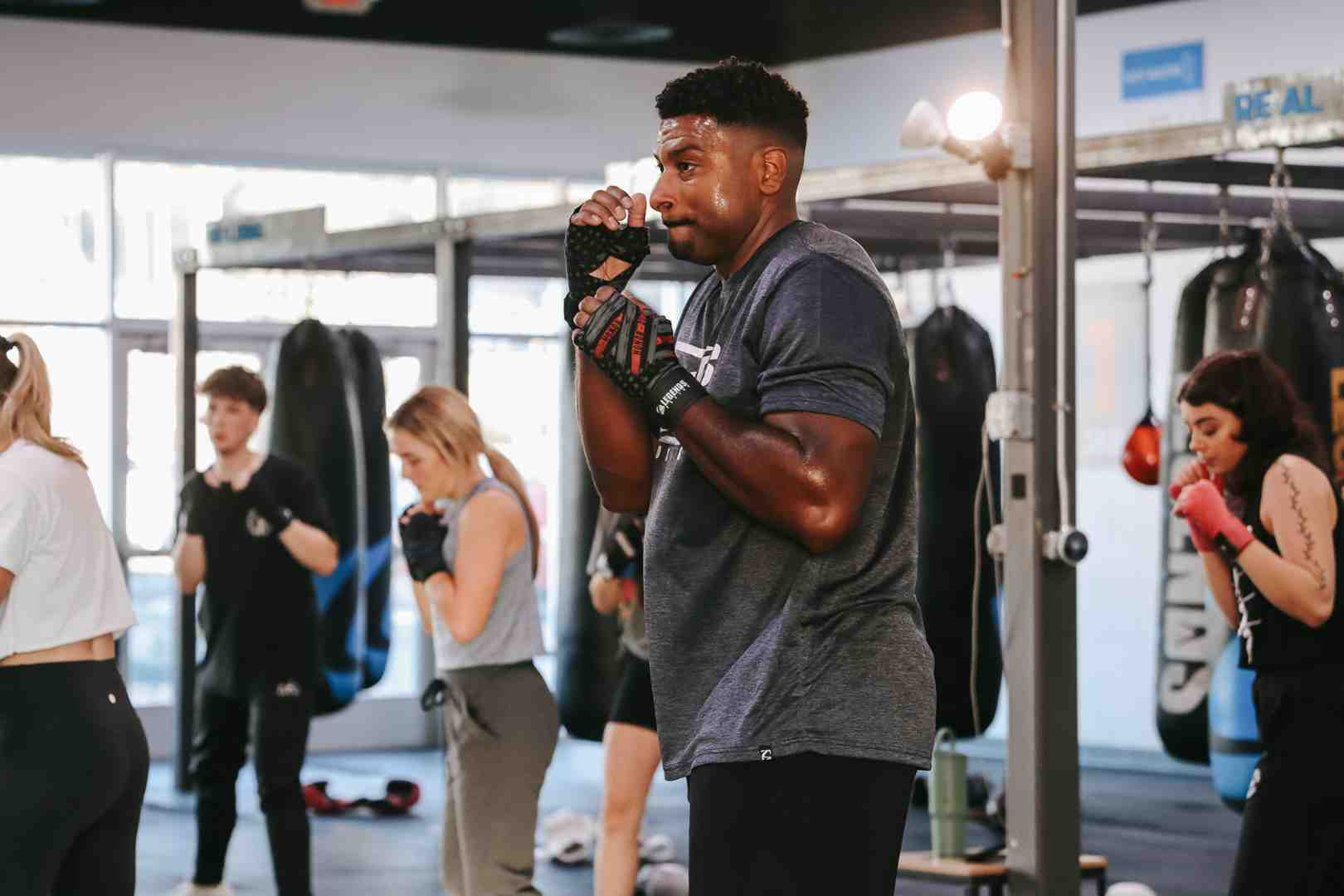
At Legends Boxing, our coaches will check your glove fit, adjust your hand wraps, and make sure you're getting the most from every punch. New members walk in unsure about everything from hand wraps to proper form — within weeks they're confidently choosing their gear and throwing combinations while finding muscles they never knew they had.
The heavy bags are waiting. Come put your newfound expertise to work.
Book a free workout at one of our locations across Utah (Bountiful, Cache Valley, Jordan Landing, Lehi, Orem, Riverton, Sandy, Saratoga Springs, St. George, Salt Lake City), Florida (Lee Vista), or Texas (Meyerland). Find your nearest location and let's make some noise.