
Don't Get Gloved: A Parent's Guide to Youth Boxing Glove Sizes
Boxing gloves youth size selection is crucial for your child's safety, confidence, and skill development. This parent's guide covers the age-and-weight size chart, how to measure your child's hand, what features to look for in padding and closure, how to care for gloves, and why the right fit sets the stage for a lifelong love of boxing.
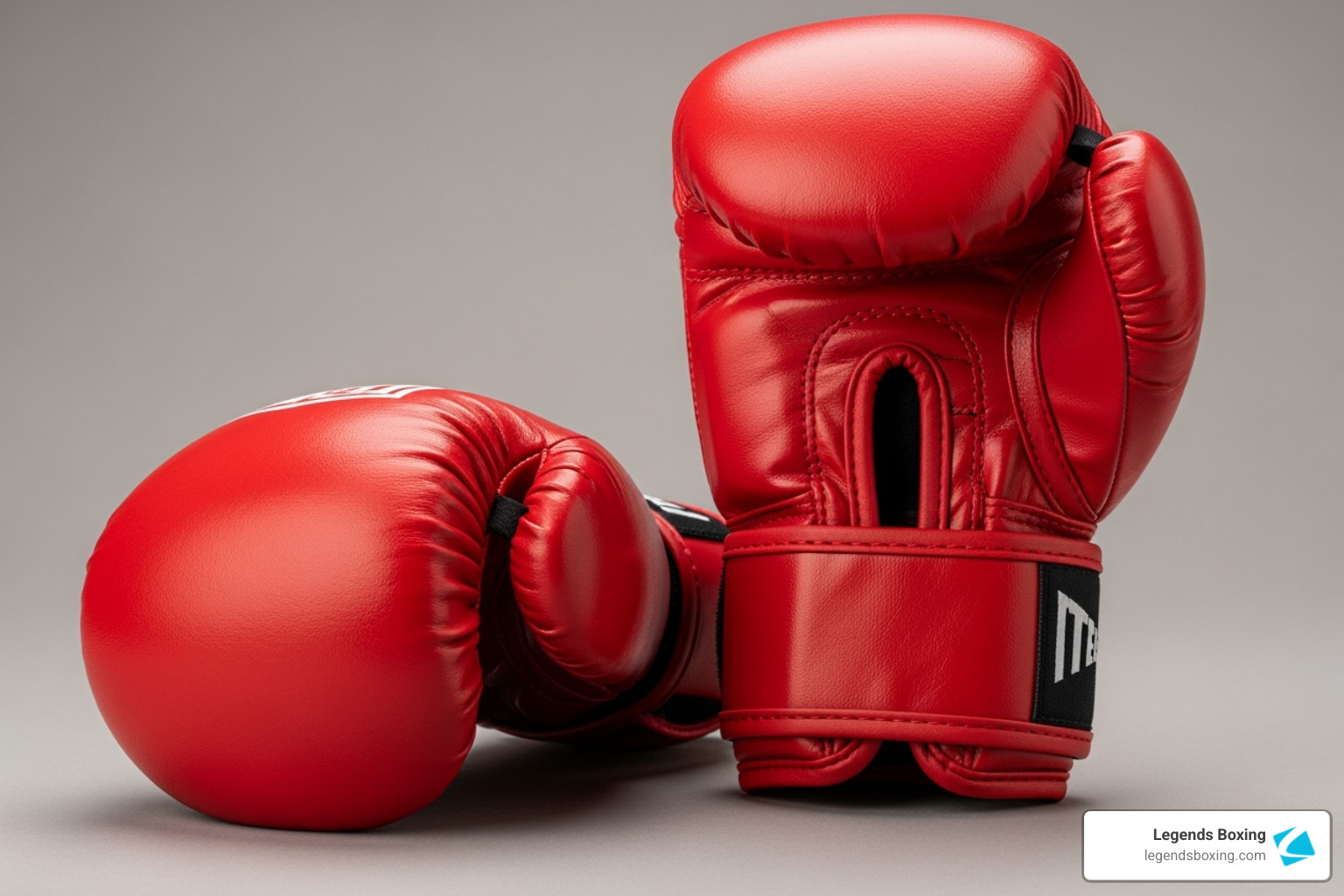
Why Getting Youth Boxing Gloves Right Matters
Boxing gloves youth size selection is crucial for your child's safety, confidence, and skill development in the ring. Here's what you need to know:
Quick Youth Boxing Glove Size Guide:
- Ages 3–6: 4–6 oz gloves
- Ages 6–10: 6–8 oz gloves
- Ages 10–12+: 8–12 oz gloves
- Key factors: child's weight, hand size, and training type
As one industry expert notes, "the success or failure your child experiences right off will most likely determine if he or she sticks with the sport." The weight of boxing gloves directly impacts how much padding protects your child's hands. Too light means insufficient protection. Too heavy creates bulky gloves that interfere with proper technique. Getting this balance right isn't just about comfort — it's about injury prevention and building the foundation for a lifelong love of the sport.
I'm Robby Welch, National Head Coach at Legends Boxing. Through my work developing nationwide youth coaching programs, I've seen how proper glove selection transforms a child's boxing journey from frustrating to fantastic.
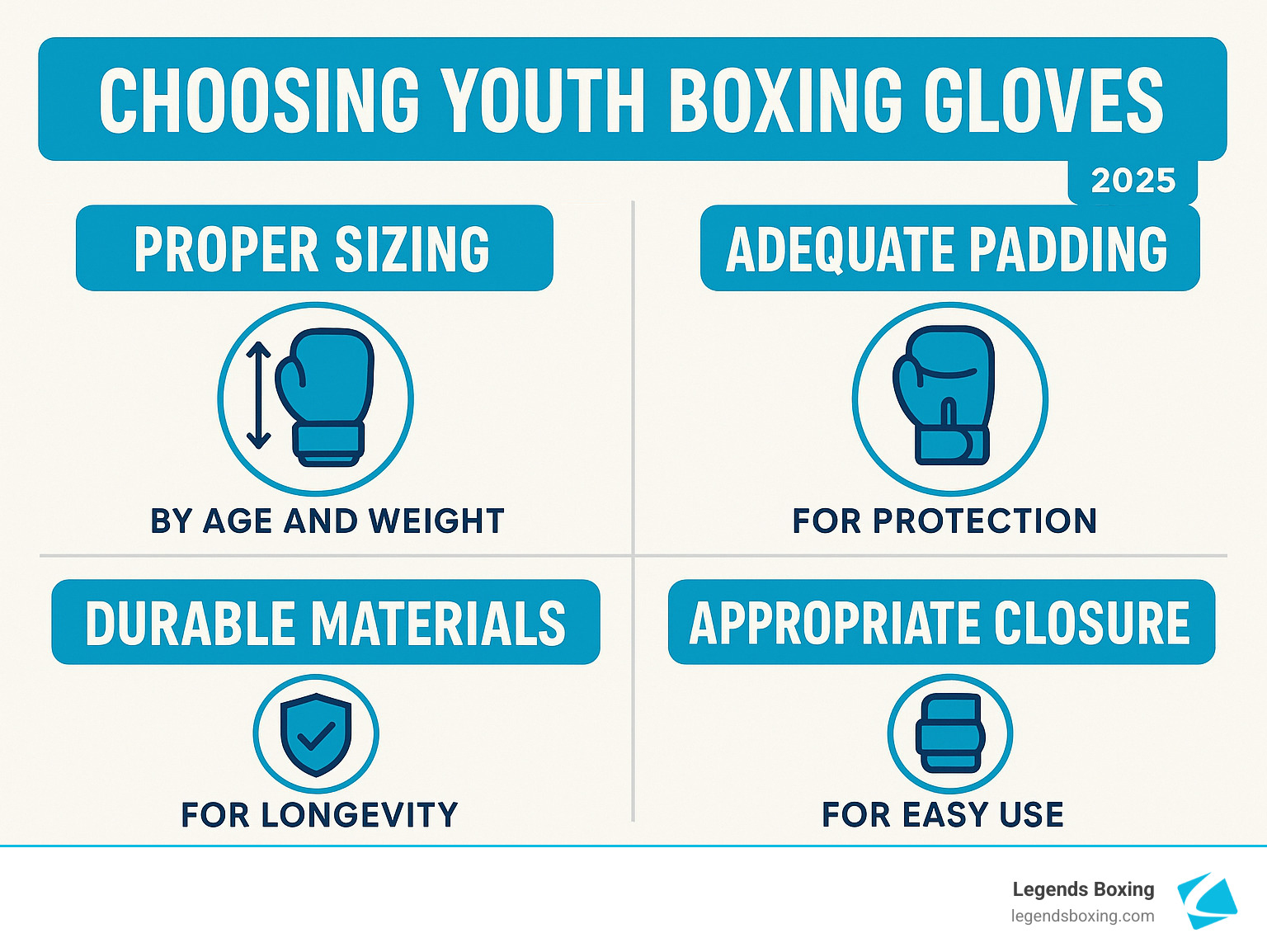
Why the Right Fit Matters: The Benefits of Proper Youth Boxing Gloves
Picture this: your child steps into their first boxing class, gloves on, ready to learn. Those gloves aren't just gear — they're their safety net, confidence builder, and skill developer all rolled into one.
Injury prevention is where it all starts. The right boxing gloves youth size acts like a protective shield for your child's developing hands and wrists. Think of proper gloves as tiny airbags that absorb impact with every punch. Without adequate hand protection, those small bones and joints take a beating they're simply not ready for.
Wrist support is equally crucial. Young wrists are still growing and need that extra stability to stay aligned during training. Well-fitted gloves keep everything in the right position, preventing those awkward twists that can sideline your young athlete.
Proper technique depends on the right gloves. When gloves fit correctly, your child can make a proper fist inside them. Their hand sits exactly where it should, allowing them to throw punches with precision and control. It's like learning to write with the right-sized pencil versus trying to grip a marker that's too thick.
The confidence boost from proper equipment is remarkable. When kids know their gear fits right and protects them well, they train with more enthusiasm. They're focused on learning and having fun — not worrying about gloves slipping or hands hurting. Kids who start with positive experiences tend to stick around longer, developing discipline, fitness, and self-esteem along the way.
The Risks of Poorly-Fitting Gloves
Oversized gloves are one of the biggest culprits. When gloves are too big, a child's hand floats around inside — impossible to form a proper fist, leading to incorrect hand placement and sloppy technique. Under-padded gloves are equally serious: bargain-basement options might look the part but offer little protection, resulting in knuckle damage that ranges from painful bruising to more serious injuries.
Your child's bones are still developing. They need every bit of protection they can get.
Perhaps the most heartbreaking risk is discouragement. When kids struggle with ill-fitting equipment, they often blame themselves rather than the gear. We've seen too many promising young athletes give up simply because their first experience was frustrating due to poor equipment choices. The right gloves remove these barriers entirely.
Decoding Glove Sizes: How to Choose the Right Boxing Gloves Youth Size
Think of boxing gloves youth size like picking the perfect pair of shoes — it's all about finding that sweet spot between protection and comfort. Glove weight is measured in ounces (oz): the heavier the glove, the more padding inside. More padding means better protection, but also bulkier gloves that might feel awkward for small hands.
Youth gloves work differently than adult gloves. While grown-up gloves focus heavily on the boxer's body weight, kids' gloves are designed with smaller hands and developing bodies in mind — smaller hand compartments and softer, more forgiving foam that's gentler on young knuckles.
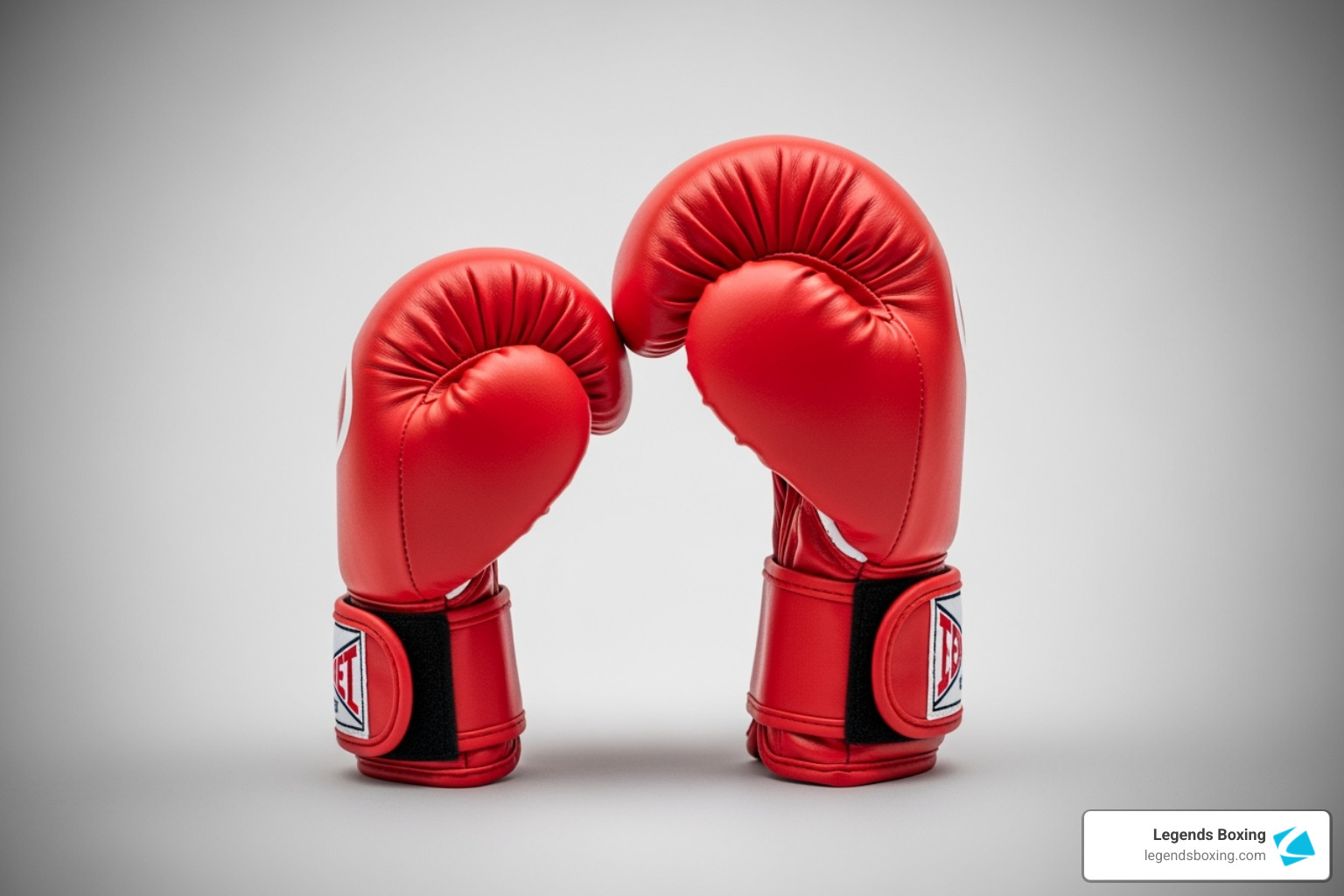
Youth Boxing Glove Size Chart by Age and Weight
| Age Range | Child's Approx. Weight | Recommended Size | Notes |
|---|---|---|---|
| 3–6 years | Up to 60 lbs | 4–6 oz | Lightweight, good protection for beginners and very young children |
| 6–10 years | 60–90 lbs | 6–8 oz | Most popular, multipurpose — suitable for general training and light pad work |
| 10–12+ years | 90–120+ lbs | 8–10 oz (or 10–12 oz for serious training) | Allows for higher intensity; suitable for those transitioning to more advanced work |
Most kids under 10 do fantastic with 6–8 oz gloves — they're the goldilocks of youth boxing gloves. Once your child hits 12 and is getting serious, 10–12 oz gloves become the go-to choice. These heavier gloves prepare them for more advanced techniques and higher-intensity workouts.
These are starting points, not hard rules. Your child's individual hand size and training type (heavy bag versus light pad work) can shift these recommendations. Every child grows at their own pace, and their gloves should match their unique needs.
Measuring for the Perfect Boxing Gloves Youth Size
Age charts are helpful, but nothing beats actually measuring your child's hands. Kids grow in spurts, and their hands are sometimes bigger or smaller than you'd expect for their age.
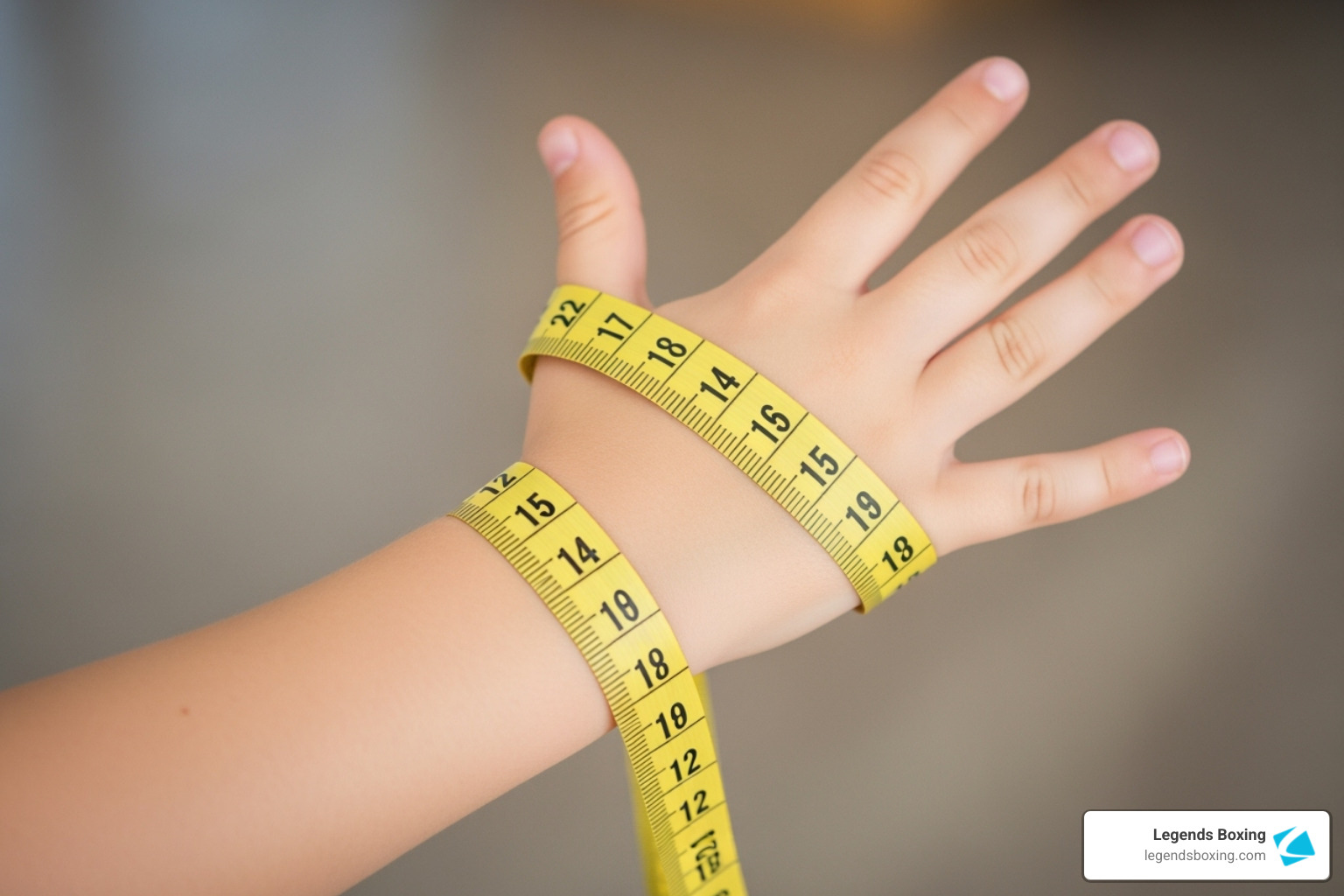
Step-by-step measuring guide:
- Wrap first — if your child will use hand wraps during training (highly recommended), have them put those on before measuring so the gloves fit correctly over the wraps
- Measure the hand — wrap a flexible measuring tape around the widest part of the hand, just below the knuckles; do not include the thumb
- Keep it snug, not tight — you want an accurate reading, not a tourniquet
- Compare to brand charts — most quality manufacturers provide hand circumference recommendations alongside their ounce sizes
What the right fit feels like: snug but never painful. Fingers should reach the top of the glove without being crammed in. When your child makes a fist, there shouldn't be excessive wiggle room around the knuckles, but their thumb shouldn't feel jammed either — aim for that "firm handshake" feeling, secure and confident but not crushing. If the hand slides around when the glove is secured, it's too big. If they wince putting it on, it's too small.
Beyond the Size Tag: Key Features to Look For
Getting the perfect boxing gloves youth size is just the beginning. Once you've nailed the right size, several other features make the difference between a glove that truly protects and one that just looks the part.
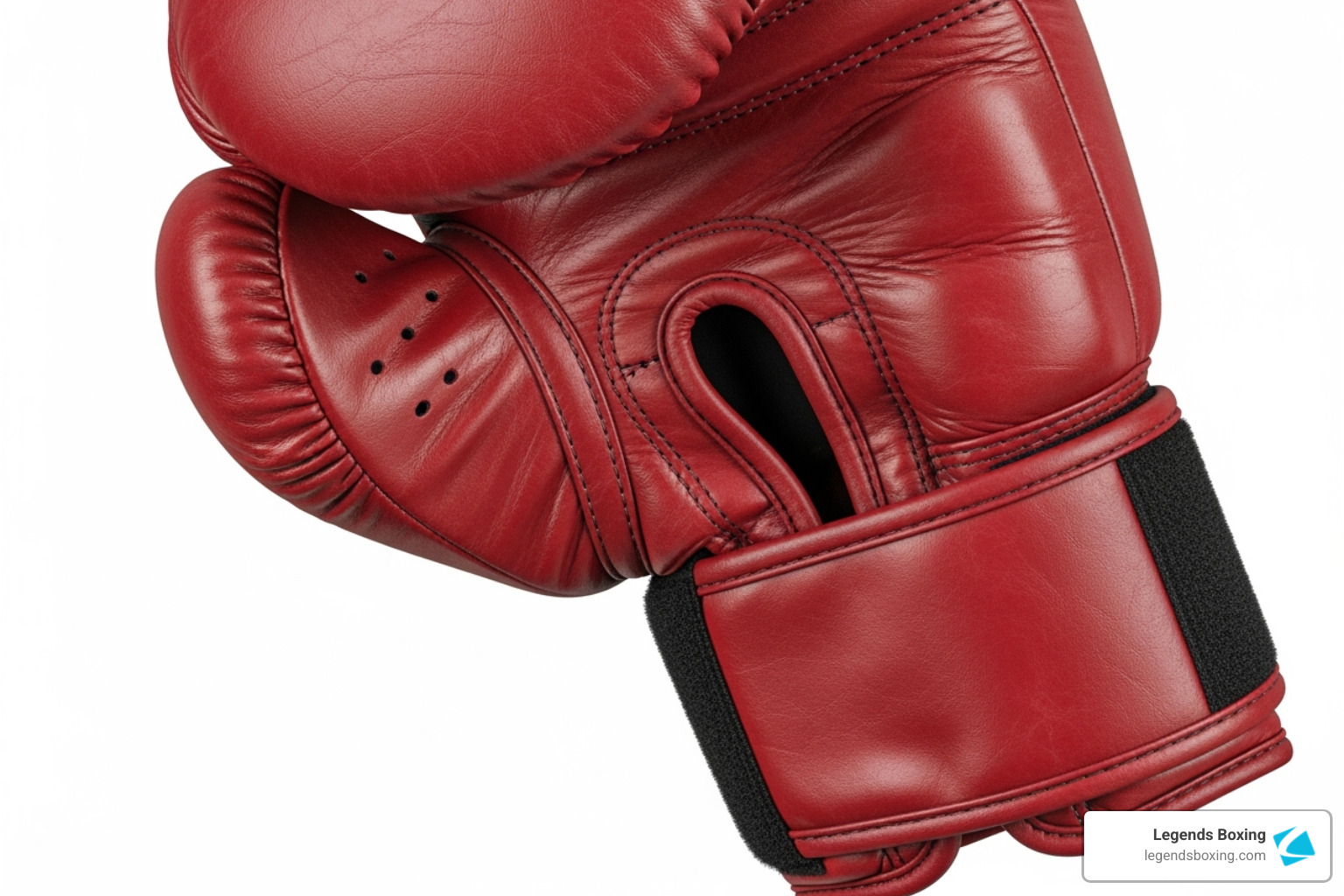
Padding and Protection
The foam core is where the magic happens — it's literally what stands between your child's knuckles and whatever they're hitting. For youth gloves, look for multi-layered foam that's dense enough to absorb impact but soft enough to be comfortable. Think of it as a tiny airbag system for their hands.
Here's something many parents don't realize: kids' bones are still developing, which means they need more protection than adults, not less. Quality youth gloves distribute the force of impact across the entire hand rather than letting it concentrate on specific knuckles.
The thumb attachment is non-negotiable. Look for a "tied thumb" design where the thumb is sewn to the main body. This prevents painful thumb injuries that happen when a thumb gets bent the wrong way during training.
Closure Systems: Velcro
For youth boxing gloves, Velcro (hook-and-loop) closures are the clear winner. Kids love being independent, and Velcro straps let them put on and take off their gloves without constantly asking for help. A good Velcro strap also provides excellent wrist support, wrapping around to create a stable, protective barrier that prevents wrist injuries during training. The adjustability is a bonus — you can fine-tune the fit as your child grows or when wearing hand wraps.
Materials: Leather vs. Synthetic
Genuine leather gloves are the premium choice — incredibly durable, they can last years with proper care and actually mold to your child's hand shape over time. The trade-off is a higher price tag.
Synthetic leather (vinyl or PU) offers excellent value. While it won't last as long as genuine leather, high-quality synthetic options handle regular training sessions just fine and are easier to clean — a real advantage with sweaty kid gear. For beginners or children who might outgrow their gloves quickly, synthetic leather makes perfect sense.
Avoid very cheap canvas or neoprene options, which typically only last a few months of regular use. Quality construction matters more than the specific material.
Glove Types and Care
Training vs. Sparring Gloves
All-purpose training gloves are your go-to choice for most young boxers. These versatile gloves handle everything from heavy bag work to pad work with their coach, striking the perfect balance between hand protection and developing proper technique.
Sparring gloves enter the picture when your child advances to supervised partner drills. They pack extra padding — think of them as the protective big brother of training gloves. A child who normally wears 8 oz training gloves might use 10 oz sparring gloves for partner work. That extra padding isn't just for your child's protection — it's primarily for partner safety. Always check with your child's coach before buying sparring gloves; they'll know exactly what's appropriate for your child's skill level.
Many serious young boxers end up with two pairs as they progress: one dedicated to bag and pad work, one kept fresh for partner training.
How to Clean and Maintain Youth Boxing Gloves
Proper care extends the life of the gloves and keeps training hygienic:
- Wipe down after every use — a damp cloth with warm water plus a mild antibacterial spray stops sweat and bacteria from taking up permanent residence
- Air dry completely — open the gloves wide in a ventilated area with paper towels tucked inside to absorb moisture; never stuff sweaty gloves into a bag
- Use glove deodorizers or cedar chips — pop them inside when not in use to absorb moisture and fight odors
- Wrap before every session — hand wraps act as a protective barrier, soaking up sweat before it reaches the glove lining
- Store in a cool, dry spot — hot cars and damp basements are glove killers
- Check for wear regularly — look for thinning padding, cracked material, or loose stitching; when padding breaks down, protection disappears and it's time to replace
Plan on replacing youth gloves every 6–9 months with regular training. Kids' hands also grow faster than you might expect — if gloves feel tight or fingers are getting jammed, size up immediately.
Frequently Asked Questions about Youth Boxing Gloves
What's the most important factor when choosing youth boxing gloves?
Safety is the top priority, and safety comes from getting the proper fit right. Even the most expensive gloves won't protect your child if they don't fit correctly. A proper fit means your child can make a secure fist inside the glove without their hand sliding around — snug but not uncomfortably tight. Adequate padding and a solid wrist support system (a good Velcro closure that wraps securely) round out the essential requirements. The success or failure your child experiences in those first few sessions often determines whether they'll stick with boxing long-term.
Do my kids need hand wraps under their gloves?
Yes — hand wraps are essential. They provide crucial protection that gloves alone can't offer:
- Extra cushioning for knuckles and the small bones in developing hands
- Wrist stability — keeps everything aligned properly during punches, preventing sprains
- Knuckle support — keeps bones tightly packed so they don't shift during impact
- Better fit — helps fill the glove properly and absorbs sweat, keeping gloves fresher longer
How often should I replace my child's boxing gloves?
With regular training, plan on every 6–9 months. Watch for these signs it's time to replace: worn-out padding that feels flat or lumpy, visible damage like cracked material or loose stitching, Velcro that won't stick securely, or your child complaining that gloves feel tight. Replacing gloves regularly isn't just about comfort — it's about maintaining the level of protection your young athlete needs to train safely and confidently.
Give Your Young Boxer the Right Foundation
Finding the perfect boxing gloves youth size isn't just about picking any gloves off the shelf — it's about giving your child the foundation they need to fall in love with boxing while staying safe and building confidence. A properly fitted glove with adequate padding and solid wrist support means your child can focus on learning jabs and hooks instead of worrying about sore knuckles or wobbly wrists.
At Legends Boxing, we've seen countless young athletes find their potential when they have the right equipment and supportive coaching. There's nothing quite like watching a shy kid transform into a confident young boxer, throwing punches with perfect form and a huge smile.
Book a free first class for your child and let our expert coaches guide them every step of the way. Find a Legends Boxing location near you — we'd love to welcome your family to our community.