
A Practical Guide to Basic Boxing Moves and Techniques
Master the foundational boxing moves that power one of the world's most effective full-body workouts. This guide covers proper stance, all six essential punches (jab through rear uppercut), the three key defensive moves, starter combinations, and how to progress from beginner drills to advanced styles — with expert coaching notes from Legends Boxing National Head Coach Robby Welch.
Why Learning Boxing Moves Transforms Your Fitness Journey
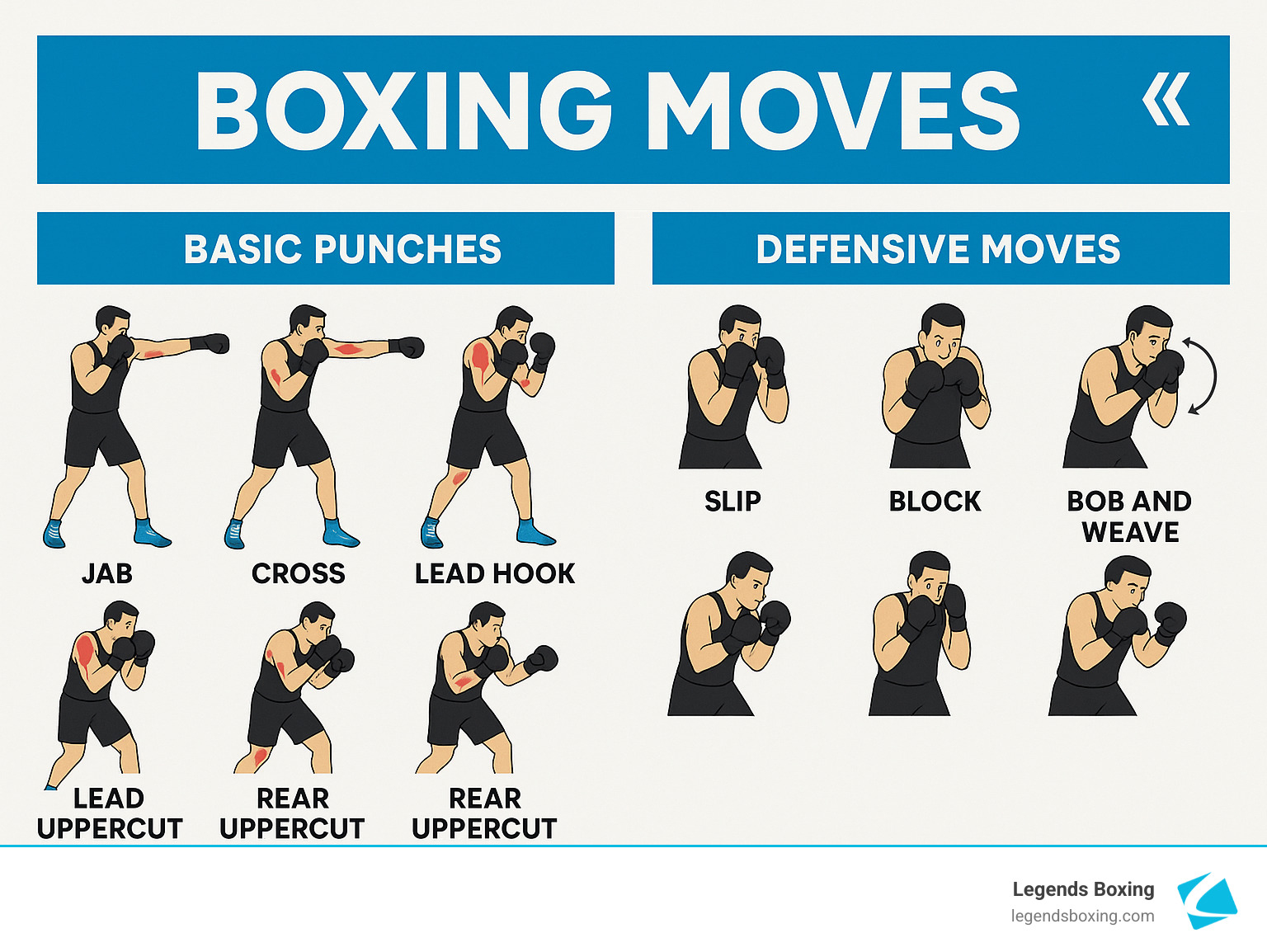
Boxing moves are the foundational techniques that power one of the world's most effective full-body workouts. Whether you're throwing your first jab or perfecting your defensive footwork, these fundamental skills offer far more than combat training — they're your gateway to improved fitness, stress relief, and unshakeable confidence.
The essential boxing moves every beginner should master:
- The Jab (1) — your quickest, most important punch for distance and setup
- The Cross (2) — your power punch driven by hip rotation
- The Lead Hook (3) — side punch with knockout potential
- The Rear Hook (4) — your strongest hook from the back hand
- The Lead Uppercut (5) — close-range upward strike
- The Rear Uppercut (6) — power uppercut from your dominant side
- Boxing Stance — orthodox or southpaw foundation for all movement
- Slipping — head movement to evade straight punches
- Blocking — using hands to deflect incoming strikes
As professional fighters know, "boxing is not just about throwing punches; it's about discipline, strategy, and mastering the art of movement." These moves work together to create a complete system that builds strength, improves coordination, and torches calories like no other workout.
The beauty of boxing lies in its accessibility. Even basic combinations like the jab-cross (1-2) can spike your heart rate and engage your entire body. From busy professionals seeking stress relief to fitness enthusiasts breaking through plateaus, boxing offers something unique: a workout that's never boring and always challenging.
Robby Welch, National Head Coach for Legends Boxing, has helped thousands of members master these essential boxing moves while building confidence and achieving their fitness goals. His curriculum is used nationwide, ensuring every student learns boxing moves safely and effectively.
The Foundation: Mastering Your Boxing Stance and Footwork
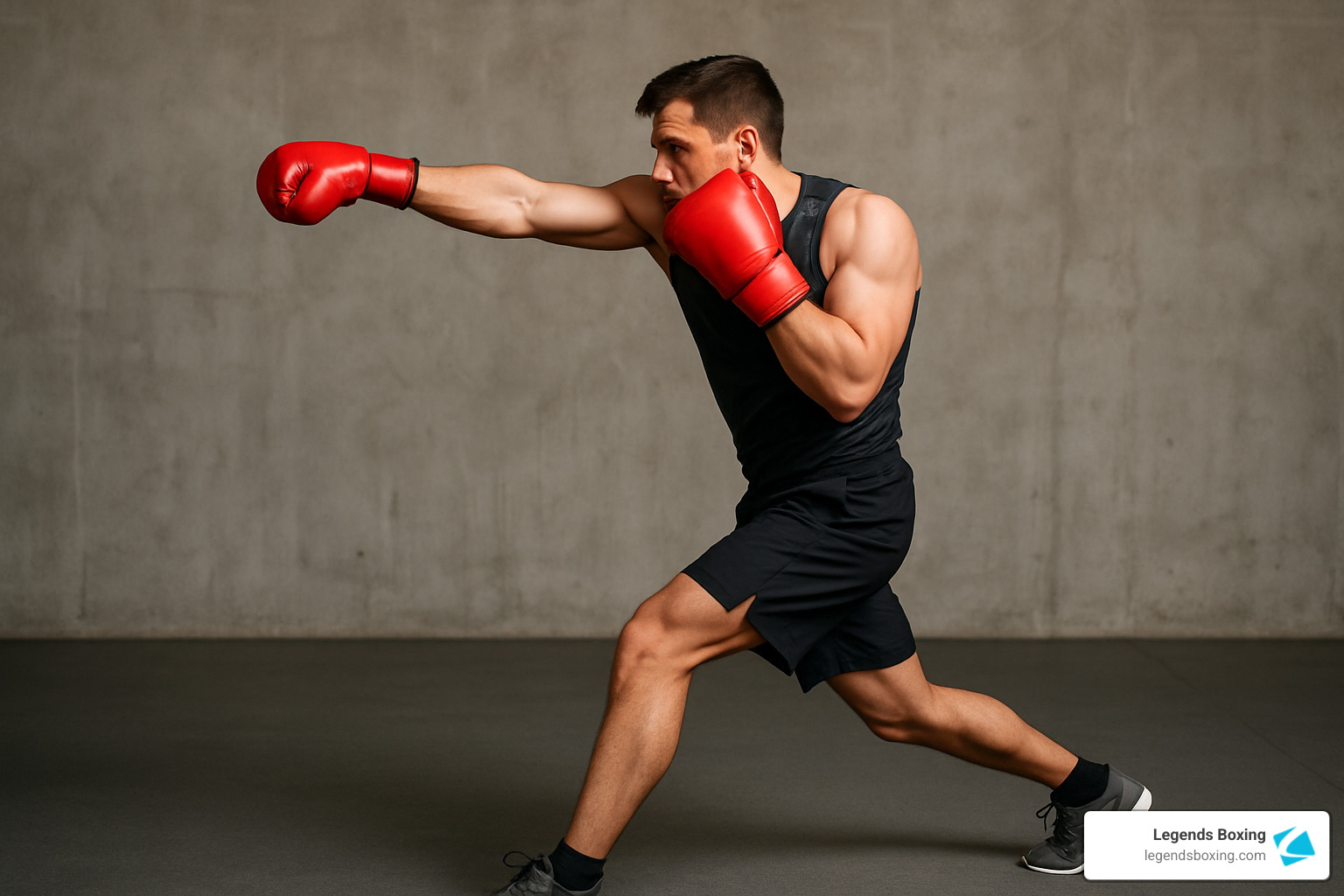
Your stance and footwork decide how hard you can hit, how well you can defend, and how quickly you can move. Nail these basics first and every other boxing move instantly becomes easier.
Stance Basics
- Feet just wider than shoulder-width, knees soft, weight balanced
- Hands up, elbows in, chin tucked behind the lead shoulder
- Power starts at the floor — think of your legs as coiled springs ready to fire
Orthodox vs. Southpaw
- Orthodox (right-handed): left foot and left hand forward
- Southpaw (left-handed): right foot and right hand forward
- No matter the stance, keep the same rules: guard high, feet light, never cross your legs
Core Footwork Moves
| Move | Purpose |
|---|---|
| Half-Step | Small slide in or out to control distance |
| Pivot | Turn on the ball of the lead foot to create angles |
| Ring Generalship | Stay centered so you can hit without being hit |
Run these drills slowly in front of a mirror, then speed them up. Repetition builds the muscle memory that makes every technique automatic.
The 6 Fundamental Boxing Punches
Understanding the punch numbering system makes learning combinations much easier. Odd numbers (1, 3, 5) are lead-hand punches; even numbers (2, 4, 6) are rear-hand punches. This system lets trainers call out combinations quickly and helps you memorize sequences without confusion.
The key to all powerful punches is rotation — not just from your shoulders, but from your entire body. Your core should be engaged throughout every punch, and always retract your hands quickly back to guard after throwing.
1. The Jab
The jab is your boxing best friend. It's the fastest punch you'll throw, the safest to use, and the foundation that makes everything else possible. Think of it as your Swiss Army knife: it sets up combinations, gauges distance, and keeps opponents guessing.
Why the jab matters: it carries the least risk while giving you the most control. You can throw it without committing your whole body, which means you stay balanced and ready to defend or follow up with power shots.
How to throw the perfect jab:
- Start from guard with both hands protecting your face
- Extend your lead arm straight out in a snapping motion, rotating your shoulder forward
- Turn your fist over at the end — imagine pouring water from a cup. This rotation adds snap
- Keep your rear hand glued to your face throughout
- The moment your jab reaches full extension, snap it back to guard immediately — speed in, speed out
The jab isn't about power. It's about speed, accuracy, and setting up your power punches. Master this fundamental boxing move and you'll have the foundation for everything else.
2. The Cross
The cross is where you'll find your true punching power. This boxing move transforms your rear hand into a devastating weapon — but it's also the punch that leaves you most exposed if thrown carelessly.
The magic happens from the ground up:
- Pivot hard on your rear foot like you're squashing a bug — this pivot is the engine, not just footwork
- Your hips and shoulders rotate together in perfect harmony, creating a whip-like effect
- Shift your weight from your back foot to your front foot as you rotate
- Your legs drive the rotation, your core transfers the energy, your arm delivers it
Many beginners try to muscle the cross with just their arm. That's like hitting a baseball using only your wrists. Keep your lead hand glued to your face — the cross leaves you open for a split second, and that lead hand is your shield.
3. The Lead Hook (3) & 4. The Rear Hook (4)
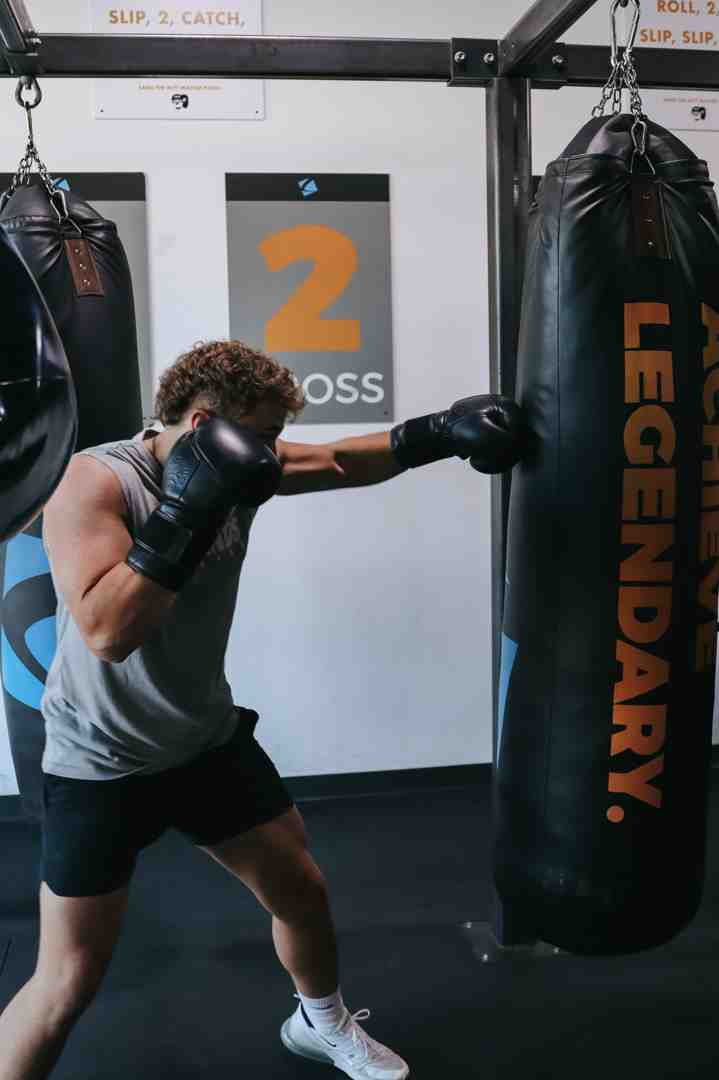
Hooks are the crowd-pleasers — thrown in a wide, horizontal arc, they're sneaky and effective because they come from angles that are tough to see coming.
Hook mechanics:
- Your arm forms a strong ~90-degree angle at your elbow
- Pivot on the ball of the corresponding foot (lead foot for lead hook, rear foot for rear hook)
- As you pivot, rotate your hips and shoulders horizontally, driving power into the punch
- Keep your other hand glued to your face throughout
The lead hook (3), thrown with your front hand, can be incredibly fast and powerful when mastered. The rear hook (4), coming from your dominant side, often has more reach and can deliver incredible force. Both can target the head or the body.
5. The Lead Uppercut (5) & 6. The Rear Uppercut (6)
When you're in close, uppercuts become your secret weapons. These boxing moves travel upward in a devastating arc that catches opponents completely off guard — attacking from below while they expect punches coming straight at them.
Uppercut mechanics:
- Bend your knees slightly to get the proper angle — you're getting under the punch to drive it upward
- Drive the punch upward from your legs and hips, transferring energy through your core and into your fist
- Keep your elbow bent and close to your body — this is a tight, controlled strike, not a wide loop
- Rotate your body as you throw, just as with other punches
The lead uppercut (5) is perfect for creating openings when pressed in close — fast, unexpected, perfect for slipping under a high guard. The rear uppercut (6) packs more natural power from your dominant side and is more comfortable for most beginners.
Timing is everything. Uppercuts work best when your opponent's guard is high (leaving the body exposed), or after other punches have created openings. They're close-range punches — trying to throw them from too far away is the most common beginner mistake.
Essential Defensive Boxing Moves
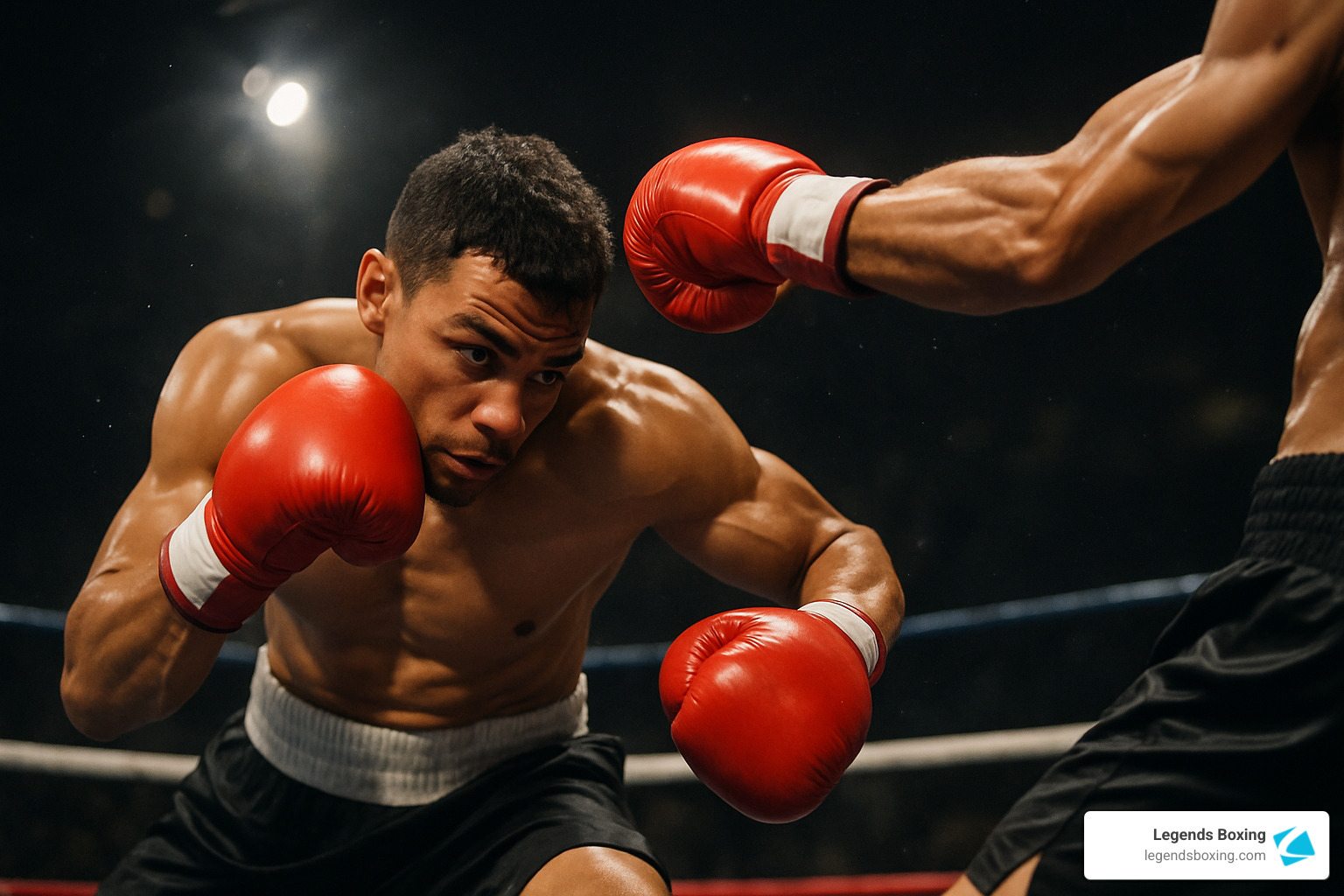
Great defense keeps you safe and sets up counters. Master these three fundamentals first:
1. Blocking / Parrying
- Catch straight punches with your palm or forearm
- Turn hooks on the glove or elbow to deflect force, not absorb it
- A good block redirects the punch — it doesn't meet it head-on
2. Slipping
- Rotate shoulders and core so the punch grazes past your ear
- Tiny movement, feet planted — you stay in range to fire back
- Slipping is about efficiency: the smallest move that avoids the punch
3. Bob & Weave (Roll)
- Bend at the knees, draw a small U-shape under looping shots
- Shift weight from one leg to the other so you rise ready to punch
- Think of it as ducking under the arc of a hook, not just leaning back
Shadowbox these moves every workout. Visualize punches coming at you, move just enough to miss, then counter. Efficiency, not drama, is the defensive goal.
Putting It All Together: Practice, Drills, and Gear
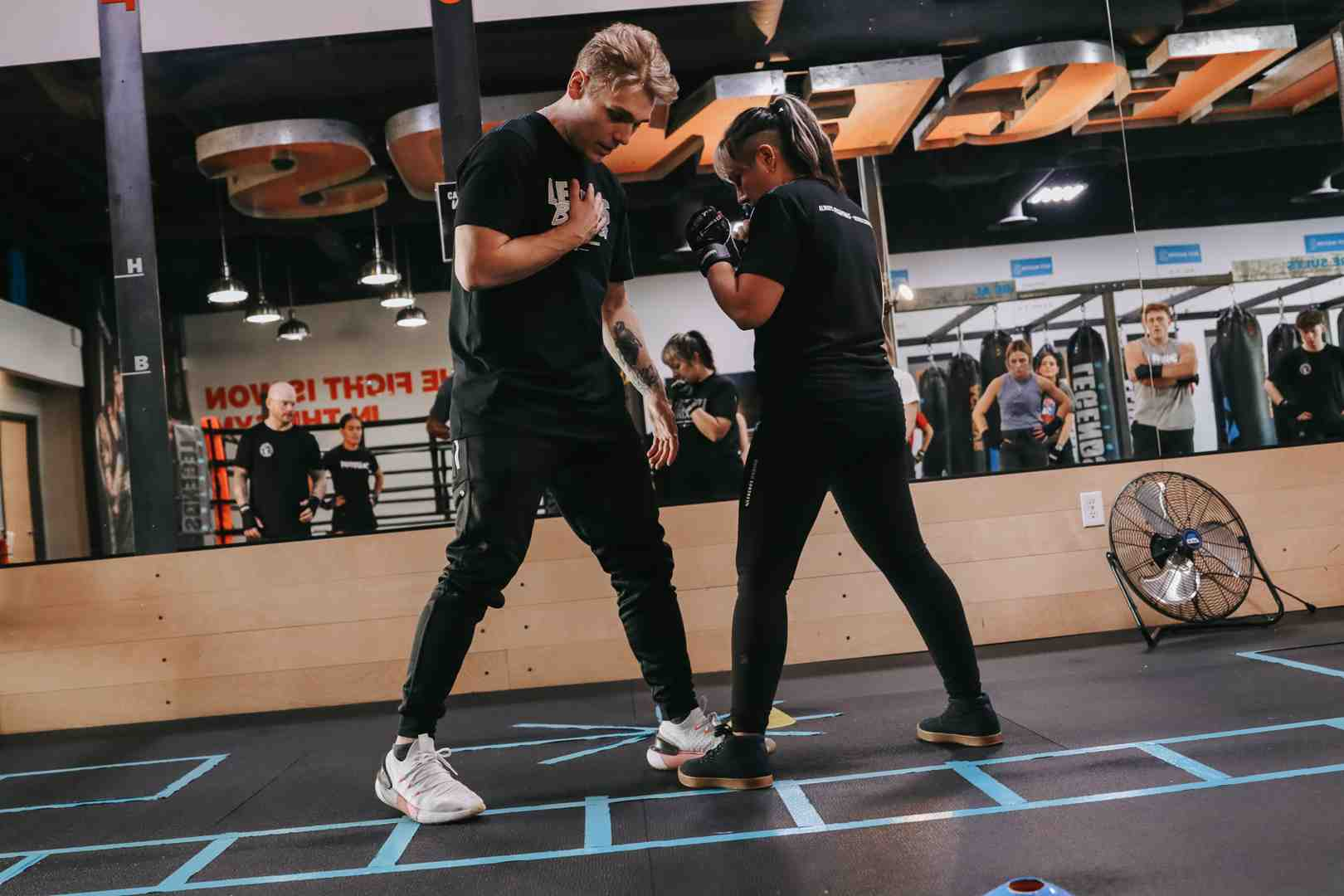
Repetition turns technique into reflex. Use this three-step practice plan:
| Step | Format | Focus |
|---|---|---|
| Shadowboxing | 3 rounds, light and technical | Stance, footwork, and a few combos |
| Heavy Bag | 3–5 rounds | Power, speed, and quick returns to guard |
| Focus Mitts | Partner work | Accuracy and timing with a coach |
Starter Combinations
- 1-2 — Jab–Cross
- 1-2-3 — Jab–Cross–Lead Hook
- 1-1-2 — Double Jab–Cross
Drill each slowly until they feel smooth, then add pace. Speed without form is just flailing — form without speed is shadowboxing. You need both.

Essential Gear
- Hand wraps and 12–16 oz gloves — protect your hands; non-negotiable
- Heavy bag — builds power and conditions your bones and tendons
- Mouthguard — mandatory if you ever spar
Train at any Legends Boxing location and we'll supply the equipment so you can focus entirely on learning. Book your first free class — no gear purchase required.
Beyond the Basics: Advanced Boxing Moves and Styles
Once the fundamentals feel automatic, two areas open up:
1. The Four Fighting Styles
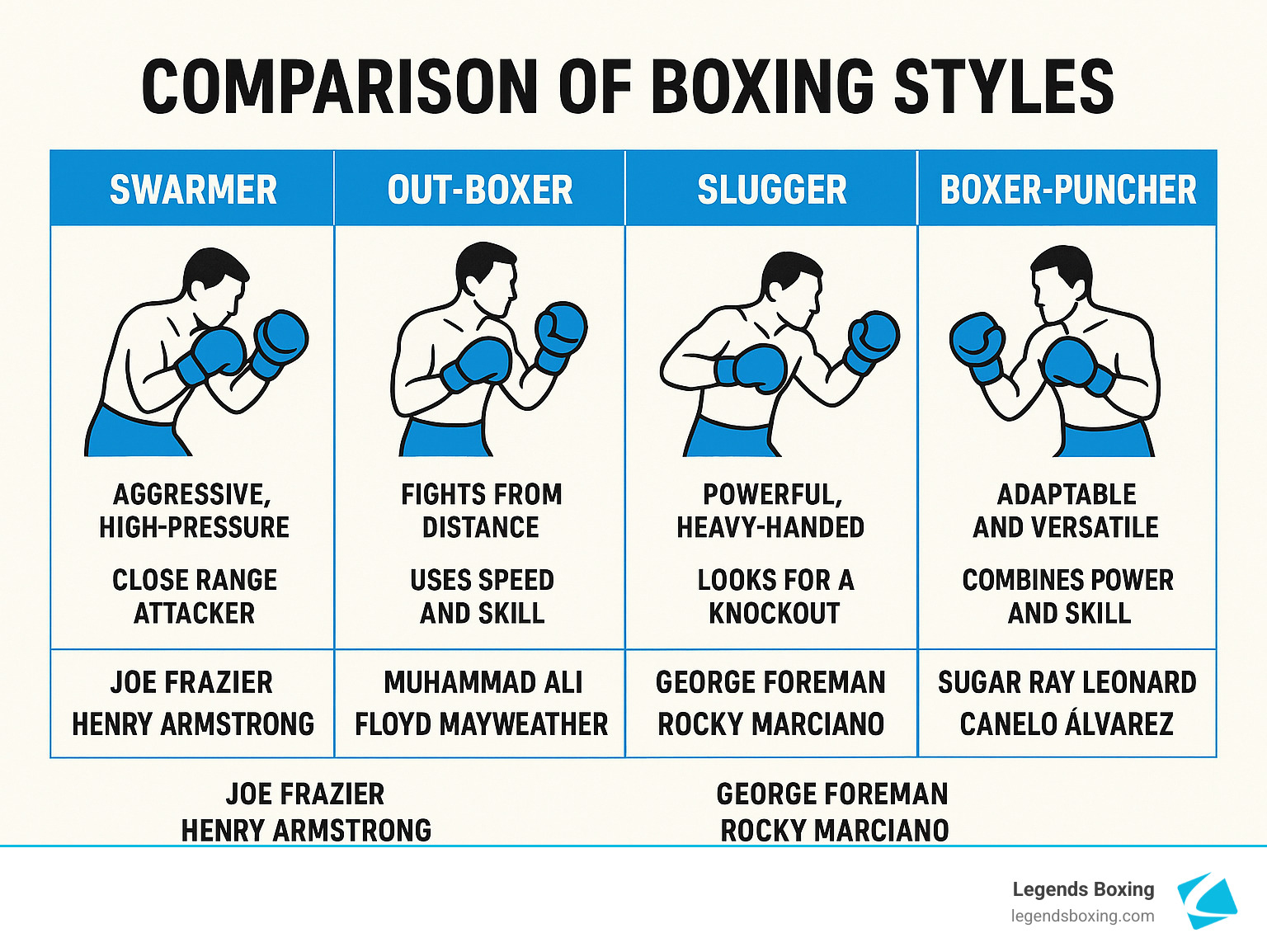
| Style | Approach | Famous Examples |
|---|---|---|
| Out-Boxer | Stick-and-move, score from range | Muhammad Ali, Floyd Mayweather |
| Swarmer | Non-stop pressure inside | Mike Tyson, Joe Frazier |
| Slugger / Brawler | Heavy shots, accepts being hit | George Foreman, Rocky Marciano |
| Boxer-Puncher | Adaptable blend of all styles | Sugar Ray Leonard, Canelo Álvarez |
Most beginners naturally trend toward one style as they progress — your coach can help identify which fits your physique and personality.
2. Advanced Tools to Learn with Coaching
- Overhand Right — looping power shot over a high guard
- Check Hook — pivoting hook that stops forward rushes cold
- Feints — half-punches that make opponents react and open up
- Philly Shell — shoulder-roll defense that frees the rear hand for counters
These skills demand hands-on coaching and lots of drill time. If you're ready, find a Legends Boxing location near you and we'll show you how to add them safely.
Frequently Asked Questions about Boxing Moves
What is the most important punch in boxing?
The jab. It sets distance, builds combinations, scores points, and carries little risk. Every other punch flows from the jab — it's the foundation the entire sport is built on.
How long does it take to learn the basics?
With 2–3 structured sessions a week, most people feel comfortable with stance, jab, and cross within a month. True mastery? A lifetime — even professionals keep refining these basics. The good news: you'll feel the benefits from day one, long before you feel "ready."
Can I start at home?
Yes. Shadowbox for form and footwork, add a heavy bag for power work. That said, periodic coaching is priceless for catching and fixing mistakes early — bad habits are much harder to unlearn than good ones are to build. Legends Boxing welcomes beginners who've trained solo and want expert feedback.
Your Boxing Journey Starts With a Single Jab
Learning boxing moves isn't just about throwing punches — it's about finding a new version of yourself. From that first awkward jab to the moment you flow seamlessly through combinations, every step builds not just technique but genuine confidence that carries into every part of your life.
The fundamentals we've covered — your stance, the six essential punches, and key defensive movements — form the backbone of boxing. But here's what makes it special: these moves work together like pieces of a puzzle. Your jab creates openings for your cross. Your footwork sets up your hooks. Your defense becomes your offense.
What started as individual techniques becomes something bigger — a complete system that challenges your body and mind in ways traditional workouts simply can't match. You're not just burning calories (though you'll torch plenty). You're building coordination, improving reaction time, and developing the kind of mental toughness that shows up when life throws its own punches.
At Legends Boxing, our classes make these essential techniques accessible to everyone, regardless of where you're starting from. No intimidation, no judgment — just supportive coaching that meets you where you are and helps you grow.
Ready to throw your first punch? Book a free workout with us and discover why boxing-based fitness is changing how people think about working out.
Your boxing journey starts with a single jab. Let's throw it together.