
The Sweet Science: Unlocking the Best Boxing Moves to Learn First
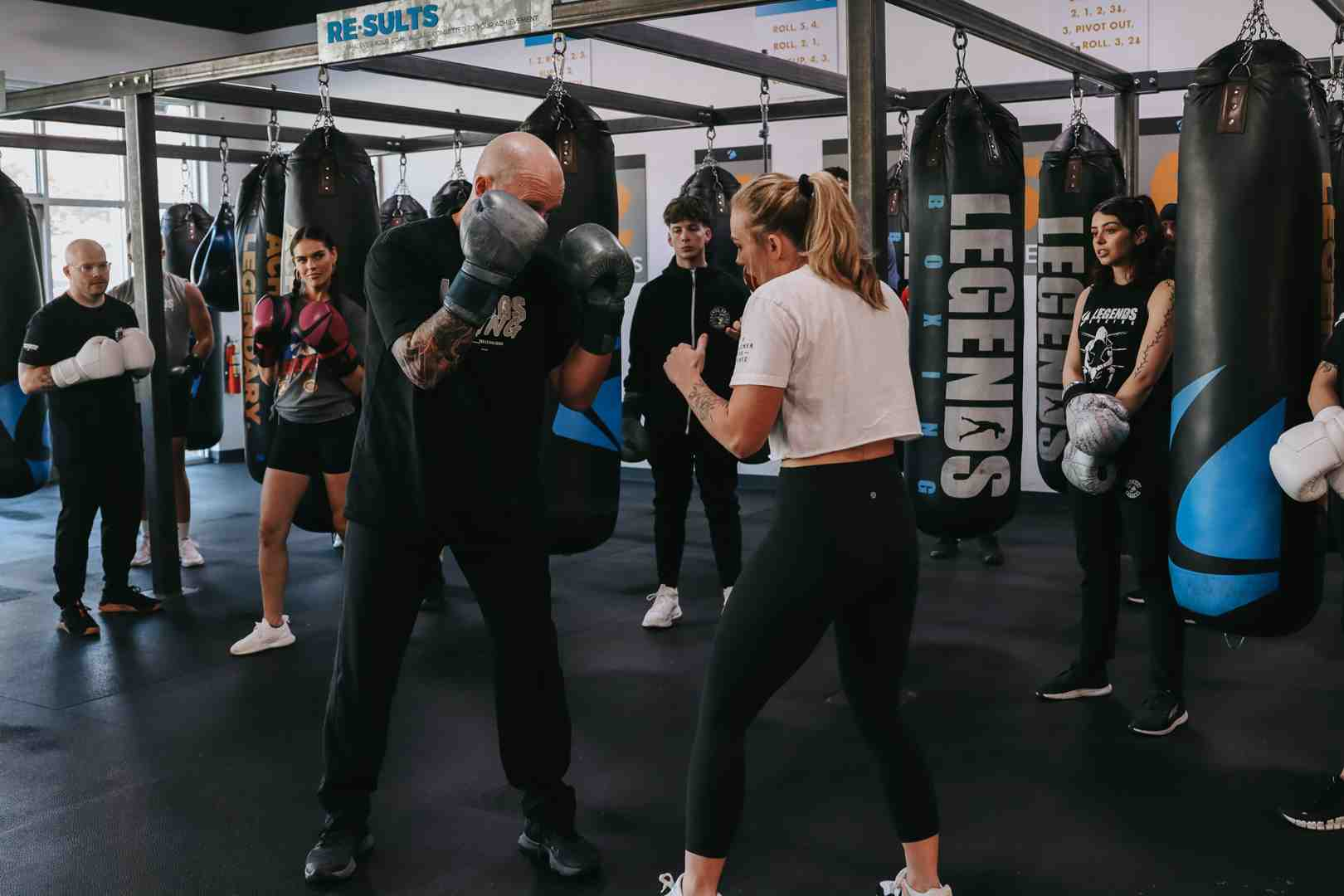
Boxing moves to learn are the foundation of an effective full-body workout. If you want to build strength, improve coordination, or escape boring gym routines, mastering these fundamental techniques will transform your fitness and confidence. This guide covers the six core punches, the essential defensive moves, how to string them into combinations, and the foundational stance and footwork every beginner needs.
Why Boxing Moves Are the Perfect Starting Point for Your Fitness Journey
Boxing moves to learn are the foundation of an effective full-body workout. If you want to build strength, improve coordination, or escape boring gym routines, mastering these fundamental techniques will transform your fitness and confidence.
Essential boxing moves every beginner should learn:
- The Jab (1) — Your quickest punch for controlling distance.
- The Cross (2) — Your power punch from your dominant hand.
- The Lead Hook (3) — A side angle punch to the head or body.
- The Rear Hook (4) — A back-hand hook for close-range power.
- The Lead Uppercut (5) — An upward strike from your front hand.
- The Rear Uppercut (6) — Your most powerful uppercut from the back hand.
Boxing is known as "the sweet science" because it combines skill, discipline, and strategy. It requires focus and technique, making every workout both challenging and engaging. These moves build muscle, improve endurance, and sharpen reflexes, keeping your mind engaged as your body gets stronger.
I'm Robby Welch, National Head Coach for Legends Boxing. With years of coaching experience, I've helped thousands master these essential boxing moves to learn. In this guide, I'll break down each technique so you can start throwing punches with confidence and proper form.
The Foundation: Stance, Footwork, and Breathwork
Before throwing a punch, you need a solid foundation. Your stance, footwork, and breathing are the fundamentals that all boxing moves to learn are built upon. Without them, your punches will be weak, your movement clumsy, and your stamina low. Master these basics, and you'll move with grace, hit with power, and have energy to spare.
Mastering Your Boxing Stance
Your stance provides balance and power, keeping you ready to move or defend. Right-handed people typically use the orthodox stance (left foot and hand forward), while left-handed people use the southpaw stance (right foot and hand forward).
A solid stance requires:
- Even weight distribution across both feet with knees slightly bent.
- A guard position with both hands up near your face for protection.
- A tucked chin to make you a smaller target and protect your jaw.
A proper stance allows power to flow from the ground up through your entire body. Energy travels from your feet, through your legs and hips, up through your core, and out through your fist. Mastering your stance is one of the most critical boxing moves to learn.
The Art of Boxing Footwork
Good footwork allows you to stay balanced while moving. It's what separates graceful boxers from clumsy ones.
The step-drag is your primary movement. To move forward, step with your front foot, then drag your back foot. To move backward, step with your back foot, then drag your front. This technique keeps you balanced and ready to punch at all times.
Pivoting lets you spin off your front foot to create new angles and evade punches. It's perfect for setting up counter-attacks while staying safe. Mastering footwork helps you maintain balance, create angles, and conserve energy throughout every round.
The Importance of Proper Breathing
Proper breathing is as important as punching for power and endurance.
Exhaling on punches is crucial. Let out a sharp "tss" sound every time you throw a punch. This engages your core muscles, connects your body to the punch, and adds power while keeping you relaxed. This sharp exhale forces your diaphragm to contract, stabilizing your midsection and transferring power more efficiently.
Never hold your breath — a common mistake when nervous or focused. Keep breathing steadily to avoid exhaustion. Controlled breathing also helps you stay calm and focused.
Diaphragmatic breathing (breathing deep into your belly) is a game-changer for relaxation. Research shows the effectiveness of diaphragmatic breathing for reducing stress, making it perfect for boxing. Nailing these breathing techniques makes every other boxing move to learn more powerful and sustainable.
The Core Offensive Toolkit: Essential Boxing Moves to Learn
With a solid foundation, it's time to throw punches. These fundamental boxing moves to learn are the building blocks for every combination and strategy. Each of the six basic punches has a unique purpose, and understanding their mechanics is key to generating power, speed, and precision.
Understanding the Punch Numbering System
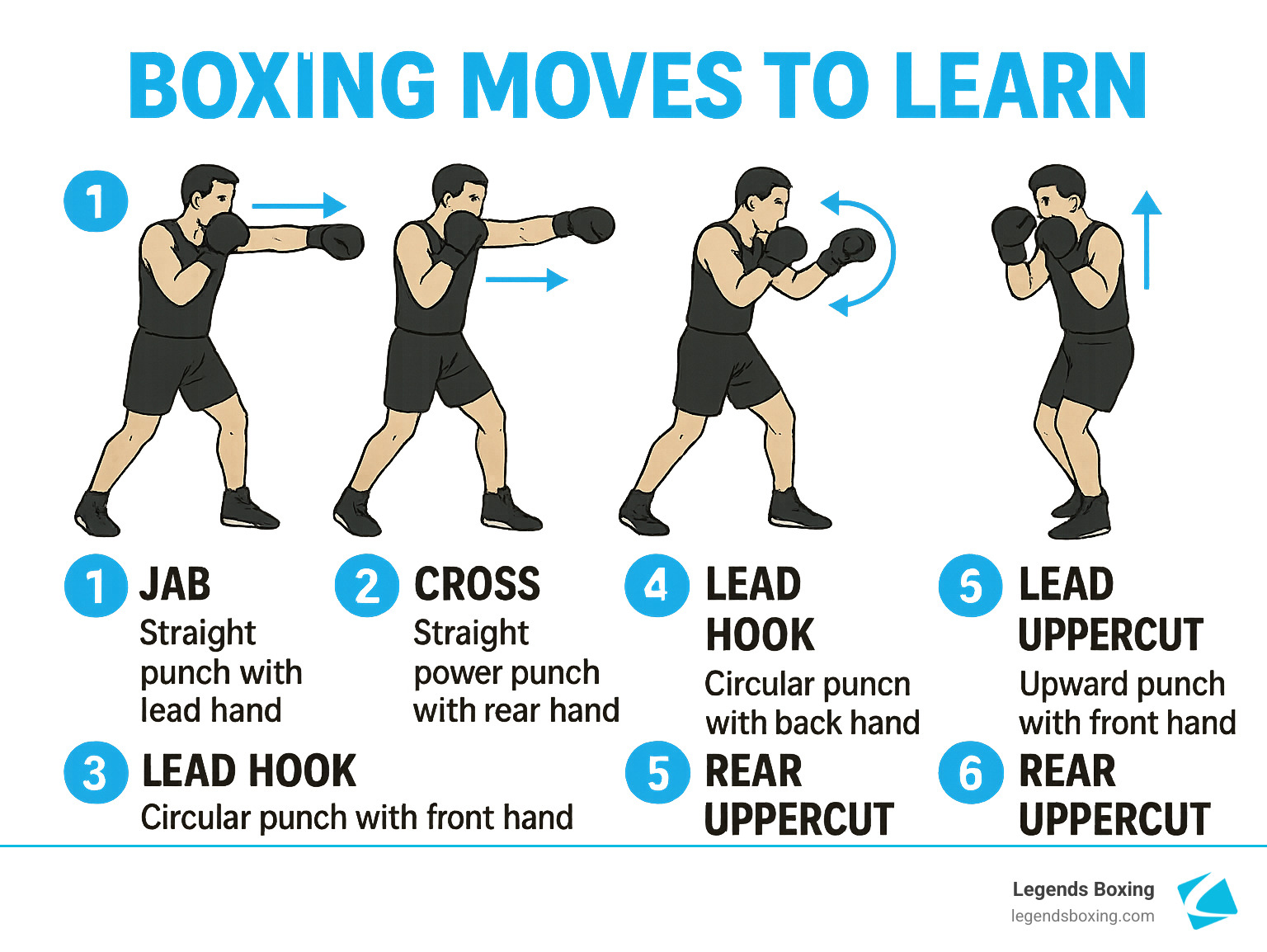
Coaches use a simple numbering system instead of calling out full punch names. This "secret code" helps boxers learn combinations and build muscle memory faster. For orthodox fighters (left foot forward), odd numbers are for the lead hand and even numbers are for the rear hand.
The numbers are: 1 (Jab), 2 (Cross), 3 (Lead Hook), 4 (Rear Hook), 5 (Lead Uppercut), and 6 (Rear Uppercut). Southpaws use the same numbers, but their stance is mirrored.
Mastering the 6 Basic Punches
These moves may feel awkward at first — that's normal. Every great boxer started here.
The Jab (1) is your most important punch. Extend your lead arm straight out, keeping your other hand up to guard your face. Snap the jab out and back quickly, rotating your fist so the palm faces down on impact. It's a fast punch used to control distance, disrupt rhythm, and set up every other combination.
The Cross (2) is your power punch. This rear-hand punch drives straight from your chin. Pivot your back foot and rotate your hips to generate power from the ground up. Keep your lead hand up for protection and snap the punch back to your guard.
The Lead Hook (3) is a powerful side punch. Pivot on your lead foot, swinging your lead fist in a tight arc with your elbow bent at 90 degrees and parallel to the floor. Power comes from rotating your entire body as a unit — not just swinging your arm.
The Rear Hook (4) is similar to the lead hook but with more power from your strong side. Pivot your rear foot, rotate your body, and swing your rear fist in a tight arc. It's a devastating punch for close-range fighting.
The Lead Uppercut (5) is an upward attack from below. Bend your knees, drop your lead arm slightly, and drive upward as if lifting something heavy. Power comes from your legs and hips, not your shoulder. It's great for getting under an opponent's guard.
The Rear Uppercut (6) combines the upward angle with the power of your rear hand. Use the same leg drive, but add the hip rotation and rear foot pivot for maximum force. This is often your strongest uppercut.
Comparing the Basic Punches
Each punch has a specific job. Understanding these differences helps you choose the right punch for the right moment.
| Punch | Purpose | Range | Speed | Power |
|---|---|---|---|---|
| Jab | Distance control, setup, distraction | Longest | Fastest | Least |
| Cross | Power, knockout, ending combinations | Long/Mid | Fast | Strongest |
| Hook | Side attack, close-range power | Short/Mid | Fast | High |
| Uppercut | Upward attack, close-range, lift guard | Short/Mid | Moderate | High |
The Art of Defense: Don't Get Hit
While throwing punches is exciting, not getting hit wins fights. Good defense isn't just about protection — it's about creating opportunities to counter-attack while your opponent is off balance. Every punch you avoid is energy saved for your own offense. Mastering these defensive boxing moves to learn makes you a smarter, more strategic fighter.
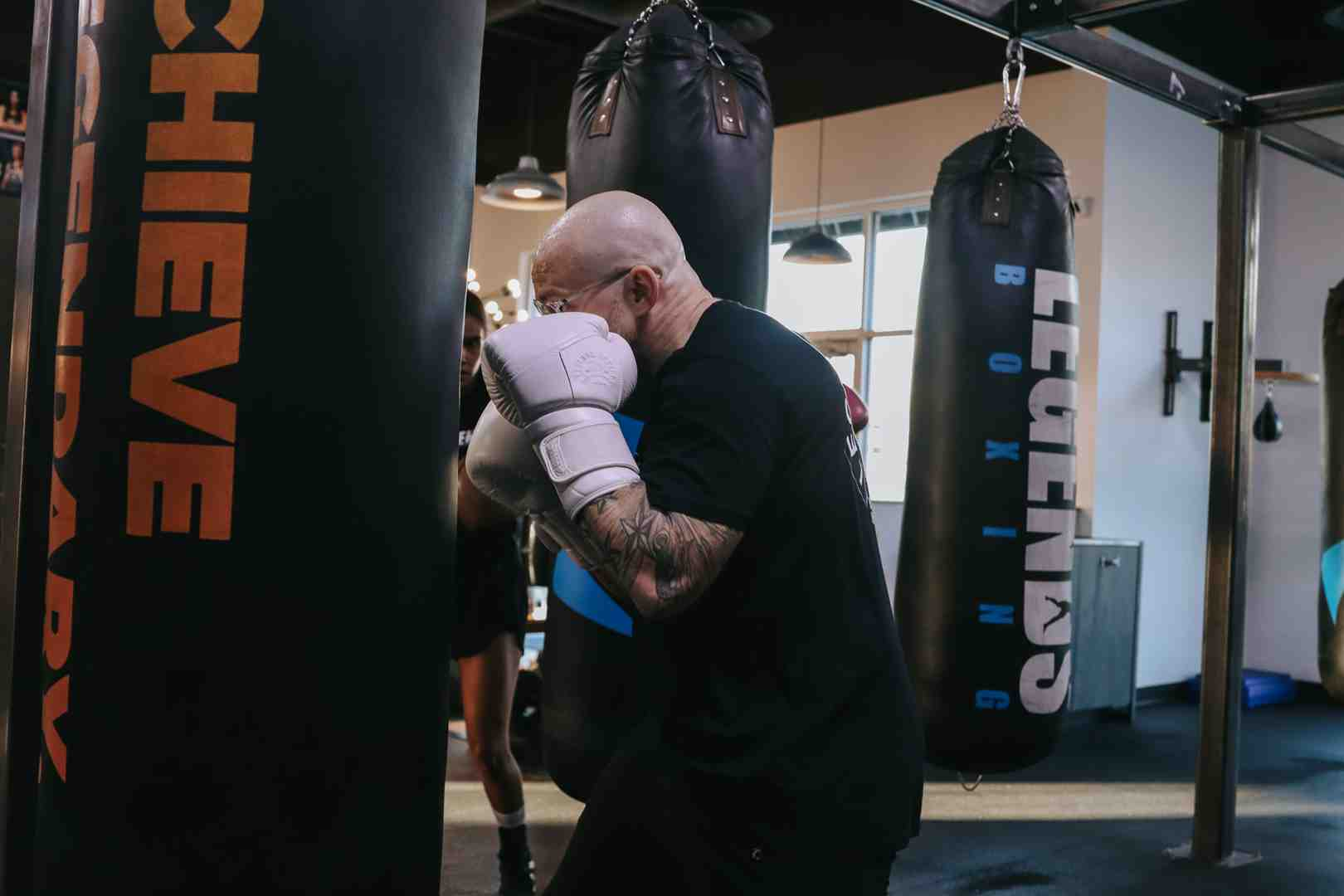
Defensive Essentials: Key Boxing Moves to Learn for Protection
The foundation of defense is blocking — using your gloves and forearms as shields. Keep your hands up, elbows tucked to your ribs, and let your gloves absorb the impact.
Parrying and catching punches involves redirecting an incoming punch with your open glove. This small movement knocks the punch off course, disrupts your opponent's rhythm, and can leave them open for a counter.
The most important defensive habit is maintaining your guard position. Your non-punching hand should always stay up to protect your face and chin. This becomes second nature with practice. Protecting your body is equally important — body shots can be as effective as head shots, wearing down your opponent's energy over time.
Head Movement: Slipping, Bobbing, and Weaving
Head movement turns you from a stationary target into a moving one.
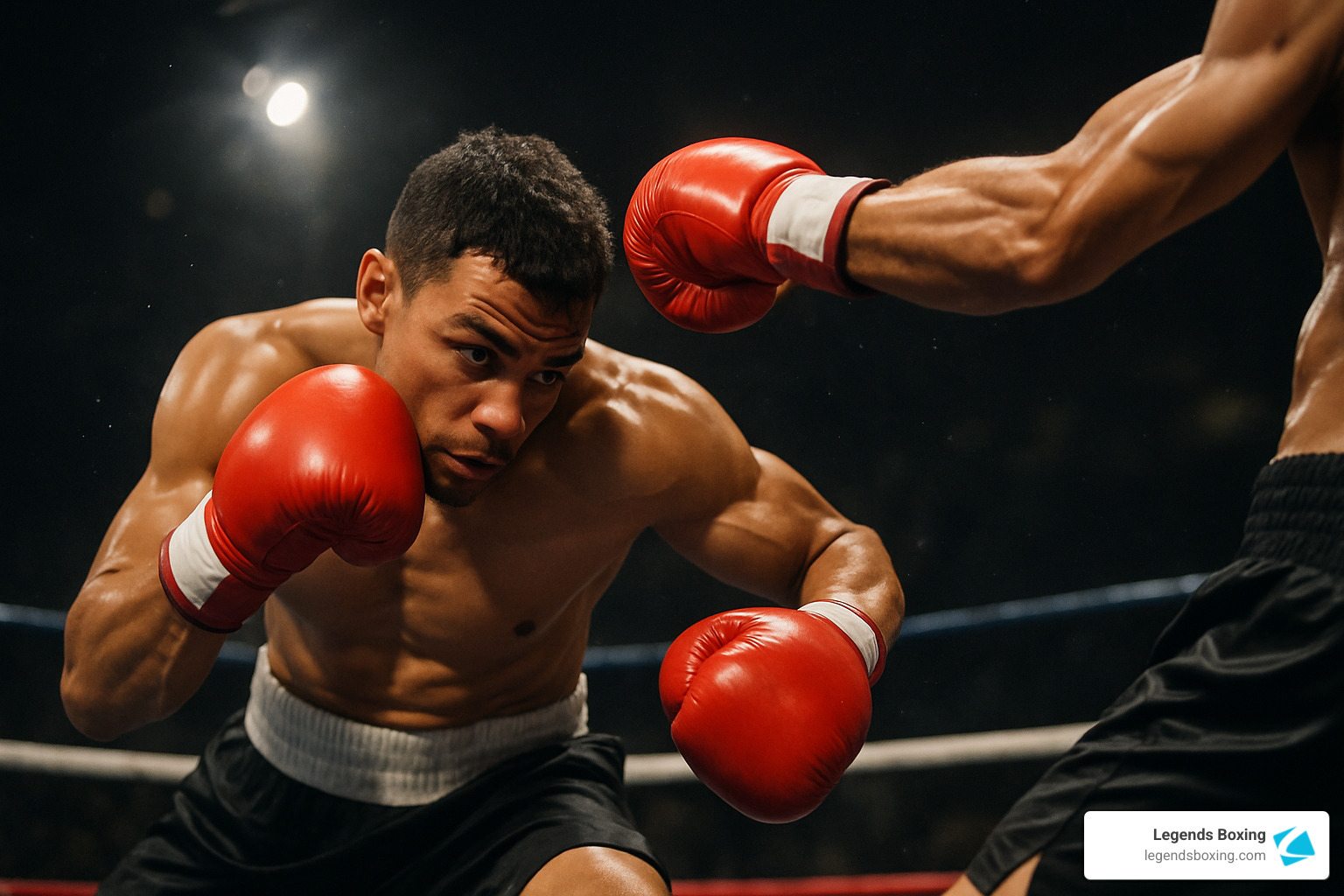
Slipping straight punches involves a small, subtle rotation of your head and torso to let a jab or cross slide past your face. The key is to stay close enough to fire back immediately.
Bobbing and weaving under hooks uses your legs and torso to move in a "U" shape. As a hook flies over your head, you're already in position to come up with a counter-punch. The movement starts by bending your knees and shifting your weight.
Defense is an active part of your offense. Every slip or weave can set up a counter-attack, leaving your opponent exposed. Mastering these defensive boxing moves to learn makes you a smarter fighter who controls every exchange.
Putting It All Together: Combinations and Strategy
Once you've learned individual punches, it's time to string them together into combinations. This is where boxing becomes the "sweet science." Throwing punches in bunches keeps your opponent guessing and creates openings that single punches can't.
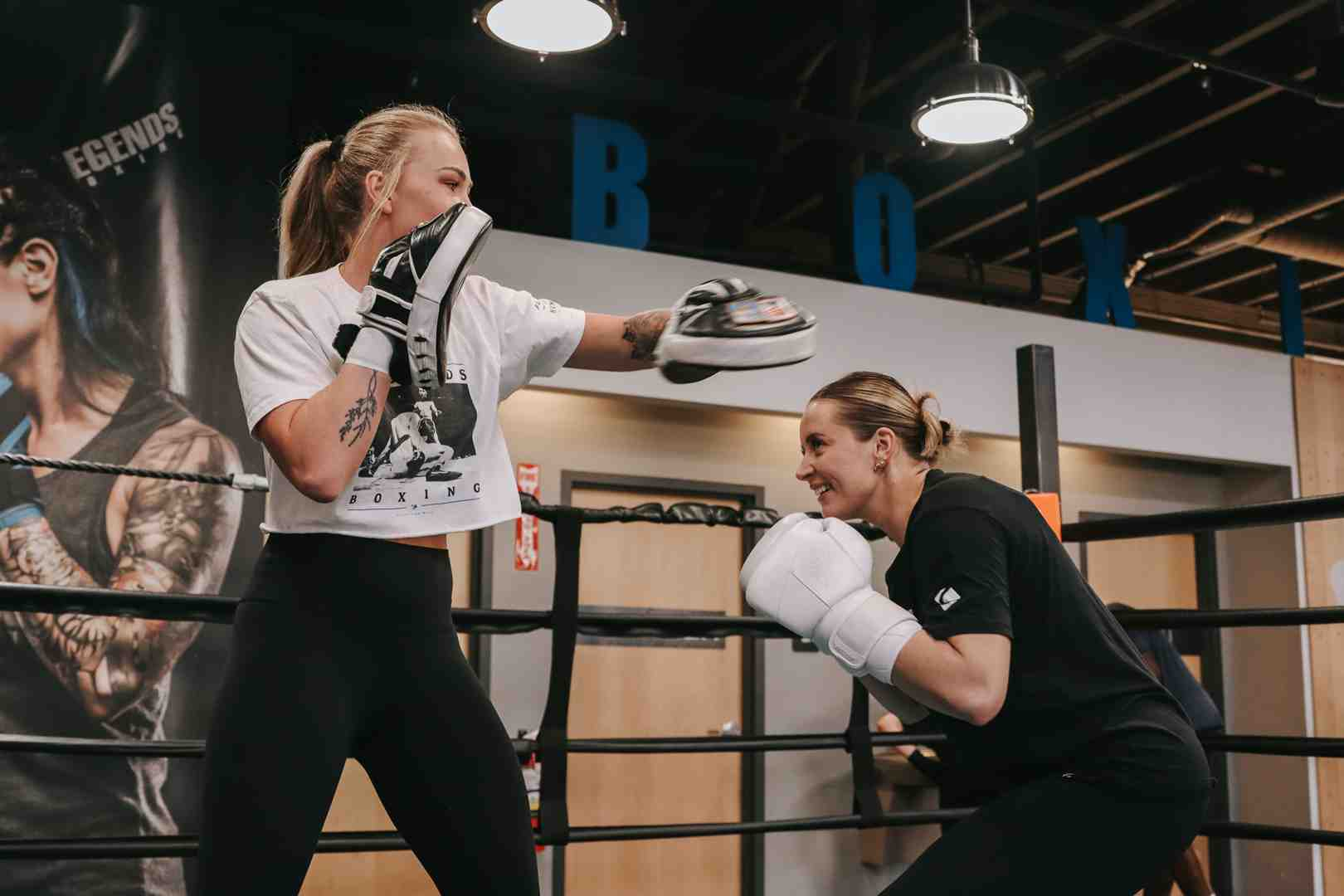
Beginner-Friendly Boxing Combinations
Combinations are your secret weapon for overwhelming opponents.
- Jab–Cross (1-2): The bread and butter of boxing. The jab gauges distance and sets up the powerful cross.
- Jab–Jab–Cross (1-1-2): The first jab can be a feint, the second sets up the target, and the cross delivers the power.
- Jab–Cross–Lead Hook (1-2-3): After the straight 1-2, the hook comes from a different angle, sneaking around your opponent's guard.
Practice builds muscle memory, allowing you to throw these sequences without thinking. Start slow, focusing on form first — speed and power follow naturally.
Using Feints and Body Shots Effectively
Feinting is the art of faking a punch to get a reaction. For example, feint a jab to the head to make your opponent raise their guard, leaving their body open for a real shot. Feints are about strategic deception — they force your opponent to react, creating openings you can exploit.
Body shots are fight-enders that are often overlooked by beginners. They weaken your opponent over time, causing them to drop their guard and setting up head shots. A well-placed hook to the liver or solar plexus can be devastating — and the effects accumulate across rounds.
Finding Your Style
As you progress, you'll naturally gravitate toward a style that plays to your strengths.
- Out-Boxer: A sniper who uses footwork and timing to fight from a distance, landing clean punches and moving away.
- Slugger: A powerhouse who trades finesse for raw power, seeking knockouts with hooks and uppercuts.
- Boxer-Puncher: A versatile fighter who is both technical and powerful — the most rounded style.
- Swarmer: A relentless pressure fighter who overwhelms opponents with a high volume of punches.
Your style develops naturally over time. The great thing about boxing is that there's a path for every body type and personality.
Frequently Asked Questions About Learning Boxing Moves
How long does it take to learn basic boxing moves?
Everyone learns at their own pace, but consistency is more important than natural talent. Most beginners feel comfortable with the basic boxing moves to learn within their first month of regular practice.
Developing muscle memory takes time and repetition. Proper coaching is key from the start — it's much easier to build good habits than to break bad ones. An experienced instructor can significantly speed up your progress, helping you avoid the common mistakes that hold most self-taught beginners back.
Can I learn boxing moves at home?
Yes, you can start at home. Shadowboxing in front of a mirror is a great way to practice technique and build muscle memory. If you have a heavy bag, you can practice combinations with impact — just be sure to wrap your hands properly.
However, feedback is crucial for proper technique. Without a coach, it's easy to develop bad habits that can lead to injury or reduce your power. The class environment provides community, motivation, and expert guidance that you simply can't replicate at home.
What is the single most important punch in boxing?
Without a doubt, the jab is the most important punch in boxing. It may not be the most powerful, but it's the most versatile.
The jab is your longest and fastest punch, allowing you to hit your opponent while staying safe. It also uses the least energy, so you can throw it constantly to control distance and disrupt your opponent's rhythm. Most importantly, the jab sets up every other punch. Mastering the jab is the foundation that makes all other boxing moves to learn more effective.
Start Throwing Punches Today
Starting your journey with boxing moves to learn is a rewarding decision for your fitness and confidence. You've covered the essentials: building a solid foundation with stance and footwork, mastering the six basic punches, and learning the art of defense. And you've seen how these elements combine into effective combinations and strategy.
Boxing is the perfect blend of offense and defense, challenging your body and mind in a way that traditional workouts can't. The journey of learning never truly ends — there's always a new technique to perfect or a combination to master. This continuous growth is what makes boxing so fulfilling.
At Legends Boxing, we provide a fun, supportive environment where anyone can master these essential boxing moves. No experience is necessary — just a willingness to learn. Our expert coaches are passionate about helping you reach your fitness goals. Ready to lace up those gloves? Book a free workout to start your journey today. Find a Legends Boxing location near you across Utah, Texas, and Florida — we'd love to see you in the gym.