
Wrap It, Wash It, Dry It: Your Guide to Drying Boxing Hand Wraps
Damp hand wraps can develop mold within 24–48 hours and transfer bacteria directly into your boxing gloves — but proper drying is straightforward once you know the methods. This guide covers air drying (the gold standard), machine drying as a backup, fan-assisted and towel-press quick-dry techniques, how to handle humid and cold environments, storage best practices, and exactly when it's time to retire your wraps.
The Wrap-Dry Cycle: Why Proper Drying Matters
Drying boxing hand wraps properly is essential for hygiene and gear longevity. Here's a quick guide to the best methods:
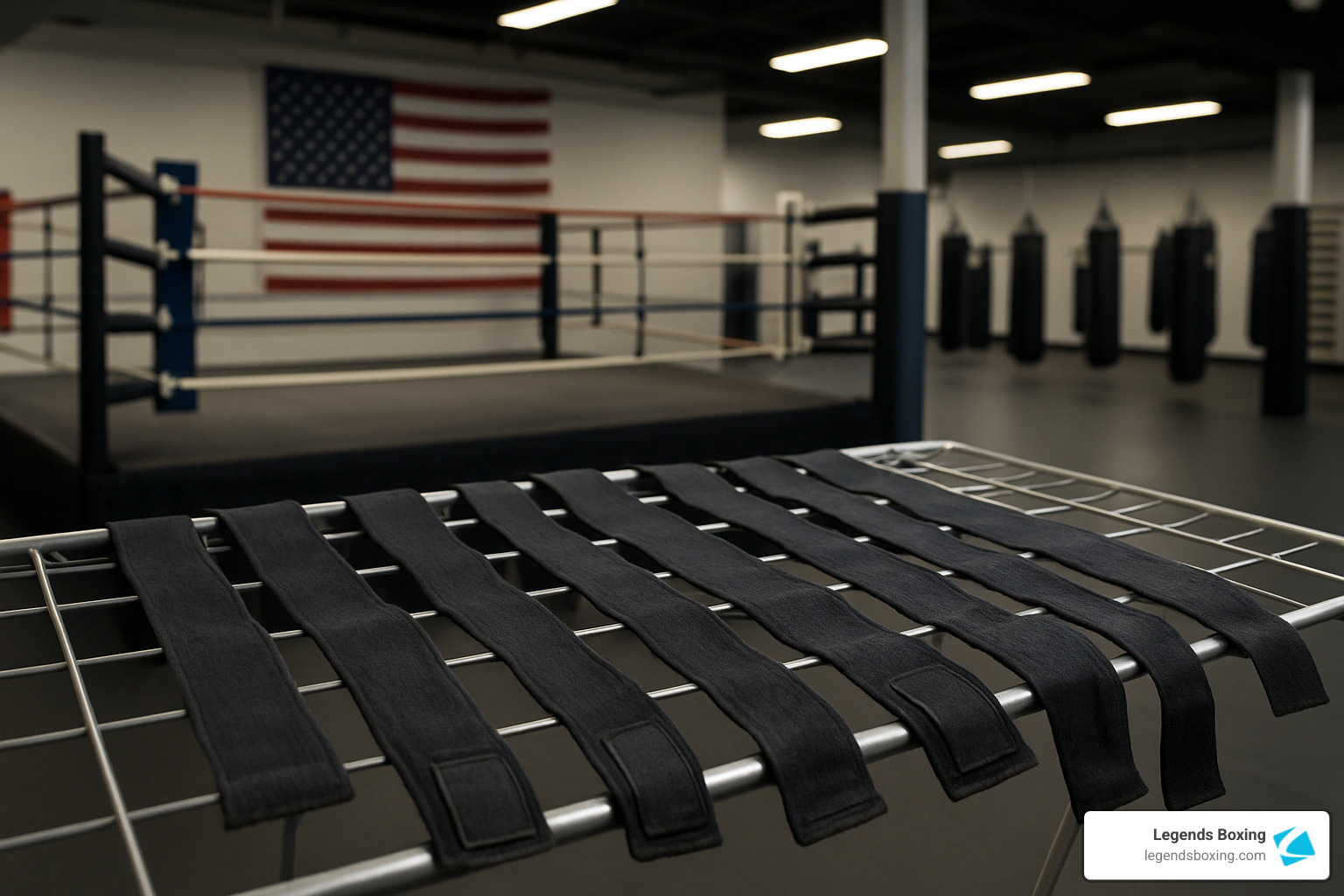
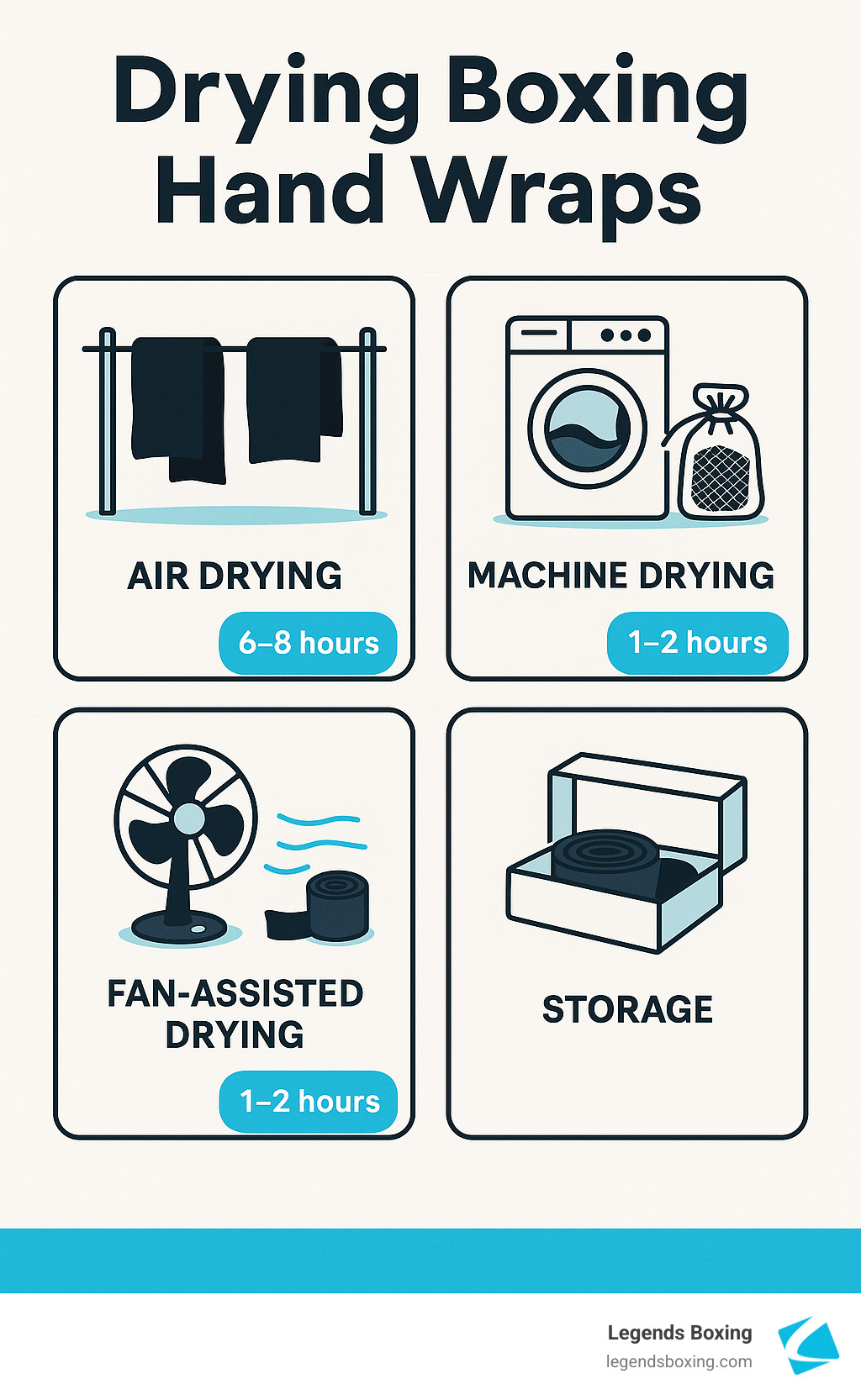
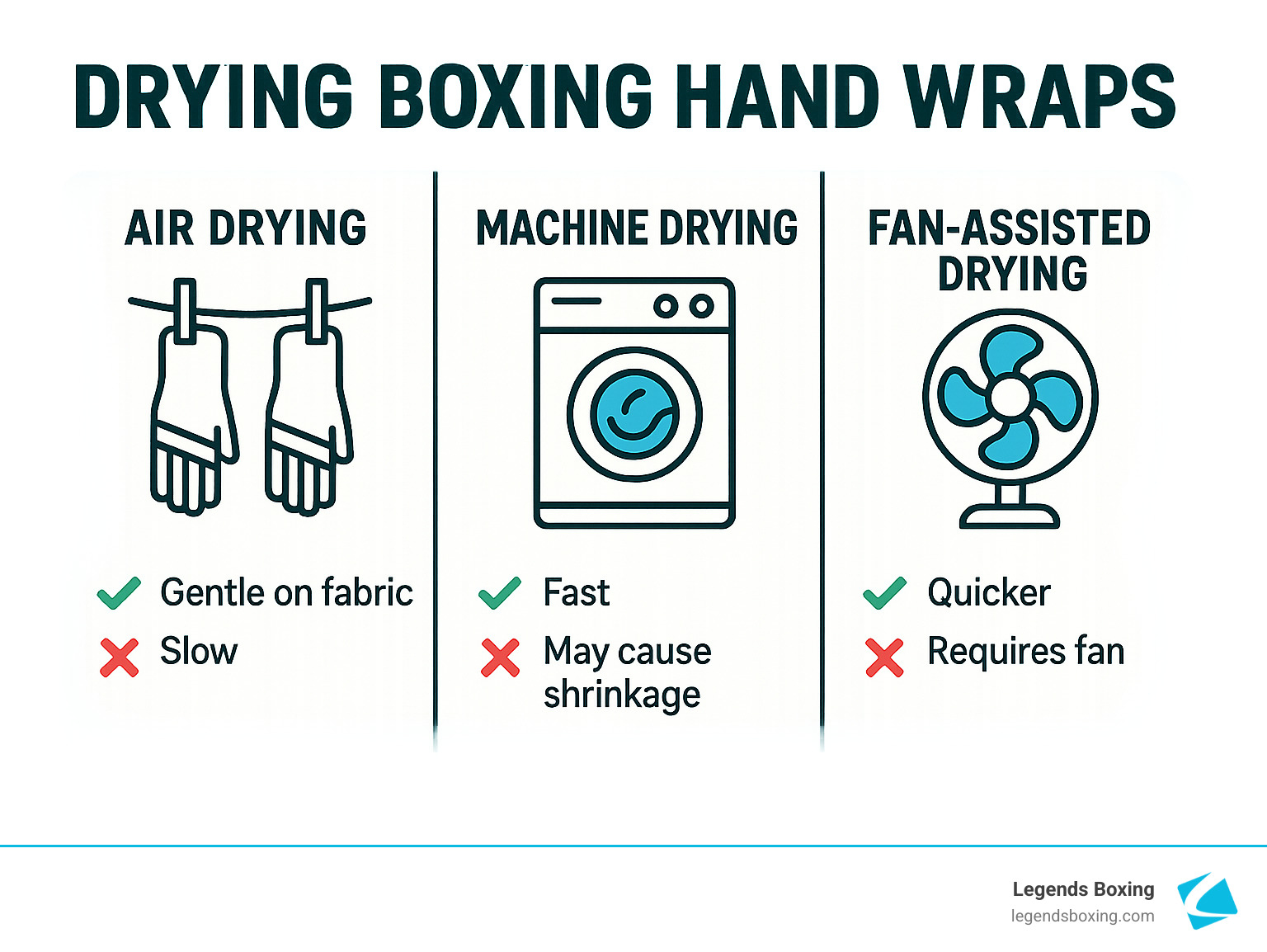
- Air drying (recommended) — hang wraps fully unrolled over a shower rod or drying rack in a well-ventilated area; 4–8 hours
- Machine drying (emergency only) — use low heat in a mesh laundry bag to prevent tangling and damage; 1–2 hours
- Fan-assisted drying — place wraps near an oscillating fan to cut air drying time almost in half; 1–2 hours
- Quick-dry method — press between clean towels to remove excess moisture before air drying
When you slip your hands into damp hand wraps, you're not just uncomfortable — you're creating the perfect environment for bacteria growth. Properly drying boxing hand wraps prevents odor, extends their lifespan, and protects your skin from potential infections. Just like you wouldn't wear wet socks, you shouldn't train with damp hand wraps.
I'm Robby Welch, National Head Coach for Legends Boxing with over two years of experience guiding fighters through proper equipment care. Proper maintenance directly impacts both performance and health in the ring — and wrap drying is where most fighters cut corners they shouldn't.
Why You Must Dry Hand Wraps Properly
Drying boxing hand wraps properly is like flossing — not the most exciting part of your routine, but skip it consistently and you'll definitely regret it later. When you work out, those wraps soak up sweat like a sponge, creating a warm, moist paradise for bacteria. During just one hour-long session, your hands can produce a surprising amount of sweat — all of it trapped in the fabric.
Properly dried wraps won't develop that unmistakable "gym bag funk" that makes everyone edge away from you during partner drills. More importantly, drying boxing hand wraps thoroughly maintains the elasticity and support they provide — critical for protecting your knuckles and wrists during training.
The hidden risks of damp wraps:
- Skin infections — that innocent-looking damp wrap can harbor staph bacteria or fungal spores that cause ringworm, keeping you out of the gym for weeks. I've seen fighters miss important training cycles because of preventable infections from poorly maintained equipment.
- Glove damage — when you slide damp wraps into your boxing gloves, that moisture transfers to the padding inside, breaking down the materials from the inside out. Your expensive gloves start deteriorating prematurely.
- Velcro failure — the Velcro fasteners on your wraps are particularly vulnerable to moisture damage. Once that Velcro loses its grip, your wraps become about as useful as noodles for wrist support.
- Reduced protection — damp wraps don't provide the same level of support. The fabric stretches differently when wet, leaving your hands and wrists more vulnerable to injury.
- Mold within 24–48 hours — hand wraps stored while still damp can develop mold and mildew within just one to two days. Once that happens, no amount of washing will fully restore them.
Most boxing coaches recommend owning at least 3–4 pairs of hand wraps to establish a healthy rotation. This gives each pair enough time to fully dry between uses, which significantly extends their lifespan.
Step-by-Step Guide: Drying Boxing Hand Wraps
Air-Drying: The Gold Standard
Air drying is the gentle giant of wrap care — your best friend for preserving those precious hand protectors.
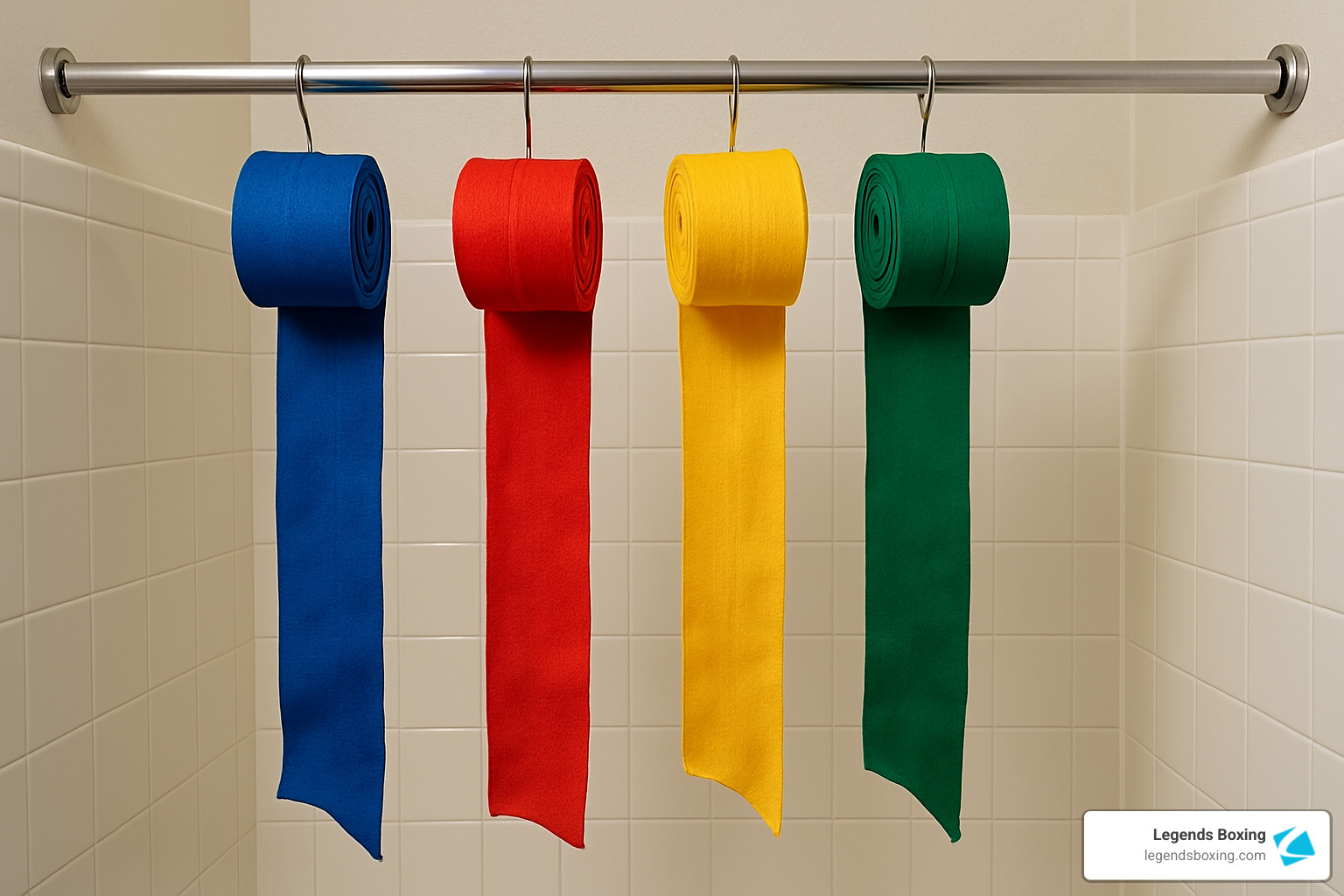
First, completely unroll your freshly washed wraps — all the way out, no shortcuts. Hang them flat over your shower rod or towel rack, making sure they're not bunched up anywhere. Good air circulation is key, so pick a well-ventilated spot. Your bathroom might seem convenient, but if it tends to get steamy, look elsewhere.
Keep those wraps away from direct sunlight — the sun will weaken the fabric over time. Take a moment to straighten everything out to prevent wrinkles and ensure even drying. About halfway through, flip them over for even drying on both sides. Most wraps take 4–8 hours to fully dry, depending on your home's humidity. You'll know they're ready when they feel cool to the touch with no damp spots.
Pro tip: position a regular household fan near your hanging wraps to cut that drying time almost in half.
Machine Drying: Emergency Backup Only
We've all been there — you need dry wraps ASAP and are eyeing that dryer. Machine drying is possible, but treat it like your emergency backup plan.
If you must use the dryer, always place your wraps in a mesh laundry bag first — this prevents tangling and protects your dryer from loose Velcro. Select the lowest heat setting or delicate cycle — high heat is the enemy of elastic and Velcro. Check on your wraps frequently during the cycle and remove them promptly when dry.
Regular machine drying significantly shortens wrap lifespan by weakening elastic fibers and potentially melting Velcro fasteners. Think of machine drying like fast food — convenient in a pinch but not something you want in your regular routine.
Caution: never use high heat settings. I once had a student who cranked the heat to dry her wraps quickly before class — she showed up with shrunken, warped wraps with melted Velcro.
Pre-Dry Prep: Washing & Deodorizing
Great drying actually starts with proper washing. After your workout — yes, immediately, not the next day — give your wraps a quick rinse under cool water. This simple step prevents sweat from setting in and creating that infamous "gym funk."
Before washing: close those Velcro fasteners to prevent them from grabbing onto everything. Place wraps in a mesh laundry bag. Wash with mild detergent on a gentle cycle with cold water. For extra odor-fighting power, add half a cup of white vinegar to the rinse cycle — the vinegar smell disappears as the wraps dry, taking workout odors with it.
For wraps that smell like they've been through ten rounds with a garbage can: soak them overnight in equal parts water and white vinegar before washing. This eliminates even the most stubborn odors without damaging the fabric. Many Legends Boxing members swear by this method for reviving wraps they thought were goners.
If you're washing colored wraps, separate bright reds and blues from white or light-colored wraps to prevent unwanted tie-dye effects.
Quick-Dry Tips for Humid or Cold Environments
Humid Environments
Humidity is the arch-nemesis of wrap drying. When the air is already saturated with moisture, your wraps will stubbornly hold onto their dampness.
- A dehumidifier pulls moisture from the air, creating a drying-friendly microenvironment — position it near your hanging wraps for maximum effect
- The area around your air conditioning unit naturally dehumidifies, making it prime real estate for damp hand wraps
- Set up multiple fans from different angles to create a cross-breeze effect — and give your wraps personal space, as crowding them together traps moisture between them
- Towel-roll blot method: lay your wraps between clean dry towels, then press firmly (or roll with a rolling pin) to extract excess moisture before hanging — this can shave hours off your drying time
Cold Environments
Cold air holds less moisture than warm air, which theoretically should make drying easier — but cold environments bring their own challenges.
- Position wraps near (but never directly on) a radiator or heating vent, maintaining a safe distance to prevent heat damage
- Post-shower bathroom trick: hang your wraps in the bathroom right after a hot shower — the temporary temperature rise creates ideal drying conditions; just be sure to leave the door open afterward for ventilation
- A hair dryer on cool setting (never hot!) can help jump-start evaporation — keep it moving constantly to avoid concentrating heat in one area
Speed-Drying When Time Is Tight
You need those wraps dry by tomorrow morning's class and they're still sopping wet. Here are emergency tactics:
The car vent method works surprisingly well during your commute. Secure your damp wraps to your car's air vents and run the fan (never the heater) while driving. By the time you reach your destination, they'll be significantly drier.
The towel press method is my personal favorite quick-dry technique. Place your wraps between two clean absorbent towels and press firmly — you can even stand on them for maximum pressure. Replace the towels as they become damp and repeat until no more moisture transfers.
The gym hand dryer can blast away substantial moisture in just a few minutes, though be prepared for some strange looks from fellow gym-goers.
But honestly, the best solution is prevention. Maintain 3–4 pairs of wraps in rotation and you'll never be scrambling for dry wraps before class, regardless of climate challenges. And never store wraps that aren't 100% dry — mold and that unmistakable gym bag funk are the consequence, and no amount of washing can eliminate it once it sets in.
Storage, Freshness & Replacement Roadmap
Storage Best Practices
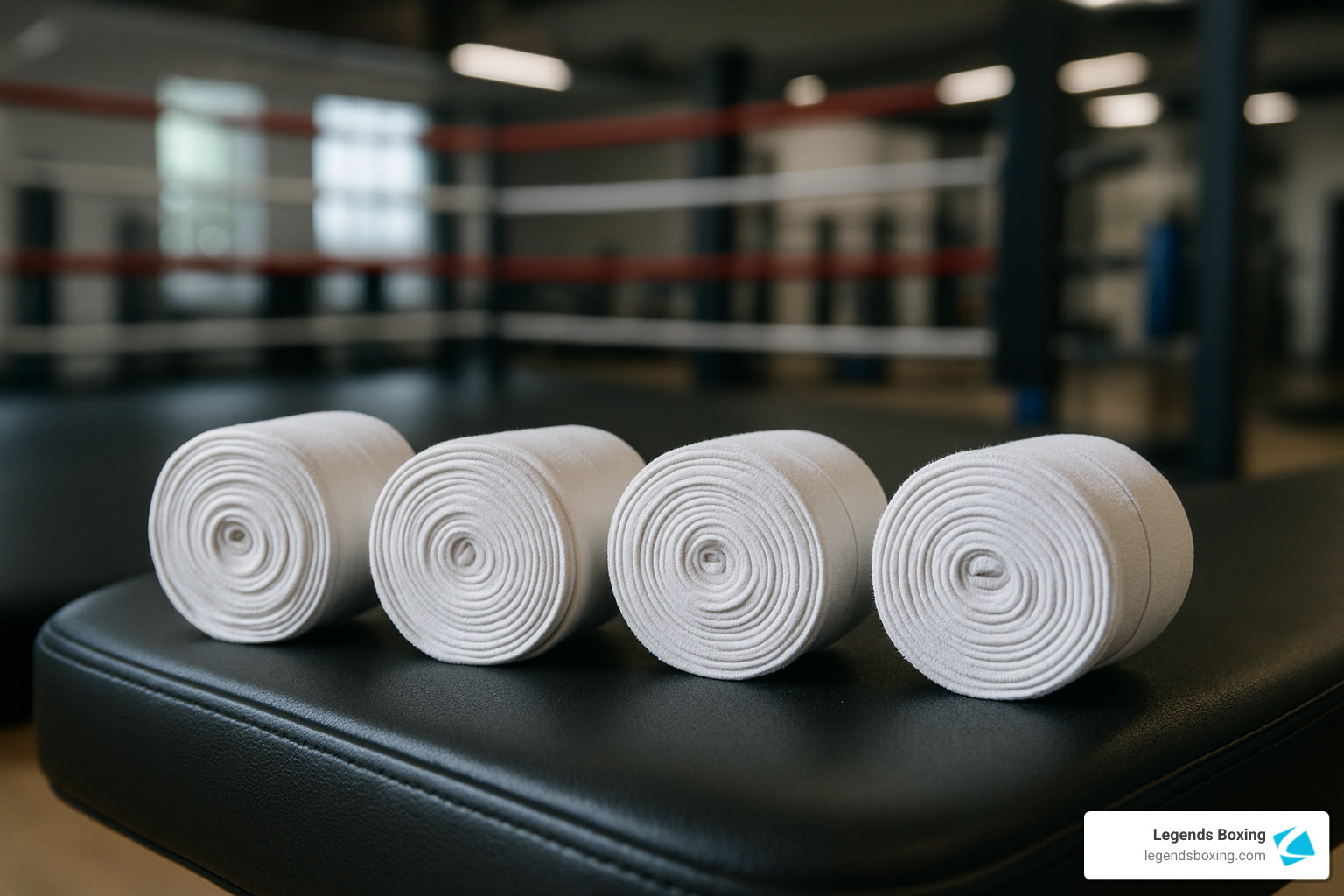
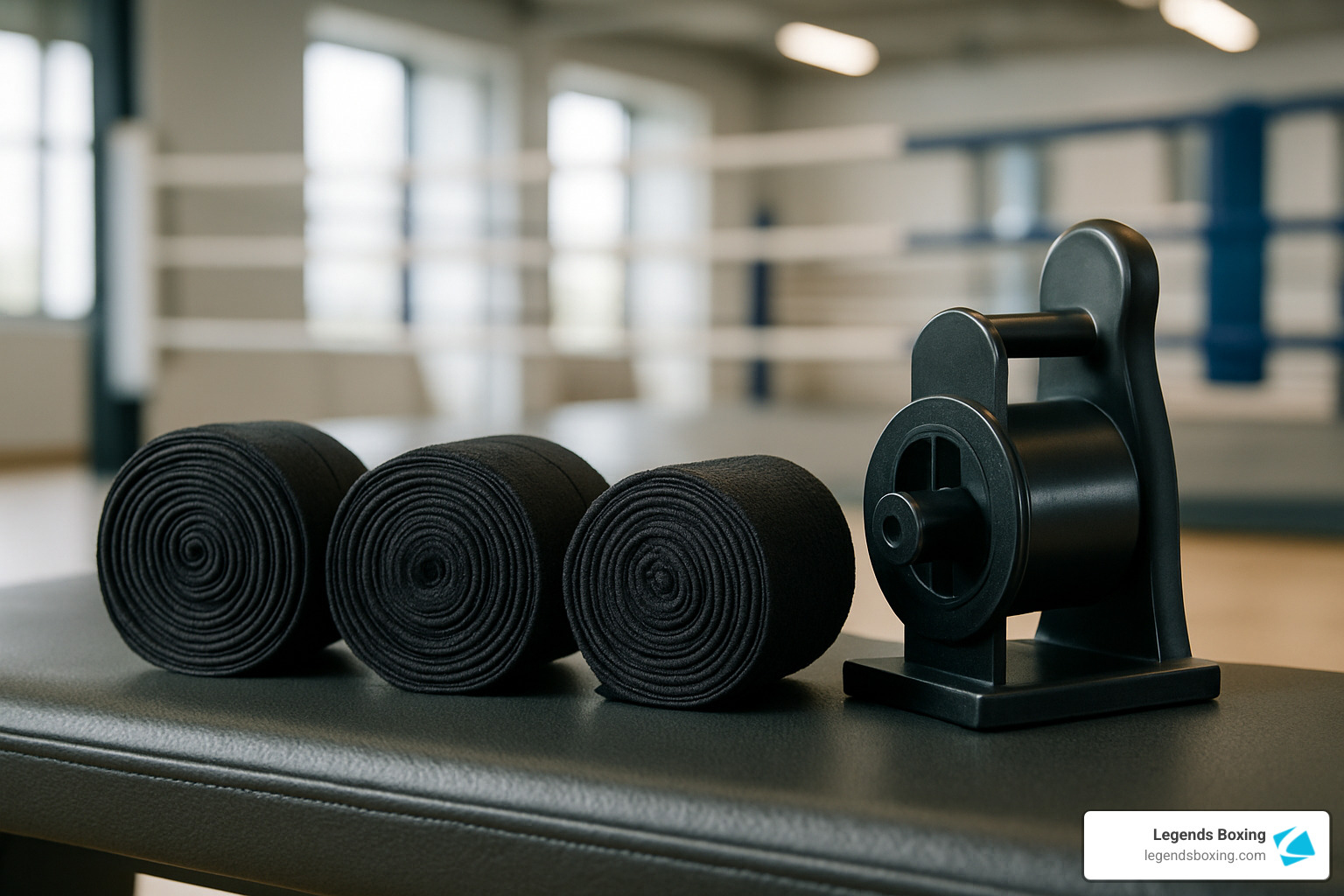
After your wraps are completely dry, roll them neatly with the Velcro secured to prevent frustrating tangles. Store them in a breathable cloth bag rather than sealed plastic, which can trap moisture and undo all your careful drying work. Many Legends Boxing members swear by handwrap rollers for consistent, neat storage that makes grabbing wraps for your next workout a breeze.
For extra freshness, tuck a small baking soda sachet into your storage container — it absorbs any lingering odors. If you live in a particularly humid area, adding silica gel packets can help absorb residual moisture. Always store wraps in a cool, dry place away from direct sunlight, which degrades fabric over time.
Common Storage Mistakes to Avoid
- Rolling damp wraps — biggest offender; creates a perfect environment for bacteria and mold
- Using sealed plastic bags — traps moisture and promotes that funky gym smell
- Stuffing wraps into your gym bag — they wrinkle and can't breathe
- Keeping wraps near damp gloves or wet clothes — moisture transfers
- Leaving Velcro open — your wraps catch on everything and become a tangled mess
How to Tell Wraps Are 100% Dry & Ready
Before storage, verify your wraps are bone-dry:
- Cool-to-touch test — properly dried wraps feel cool with no damp spots whatsoever; the entire wrap should have consistent texture with no soft areas indicating lingering moisture
- Sniff test — no musty or mildew odors that signal trapped moisture
- Velcro check — completely dry and free of debris that could reduce its effectiveness
- Weight check — dried wraps feel noticeably lighter than damp ones; if they feel heavier than usual, they need more time
When to Retire Your Wraps
Even with perfect drying technique, nothing lasts forever. Time for new wraps when you see:
- Elastic stretched out and no longer providing firm support
- Stubborn odors that persist even after vinegar soaks
- Failing Velcro that no longer secures properly
- Visible fraying or threads coming loose
- Stiff, hard texture that won't soften, or permanent discoloration that won't wash out
Most hand wraps last approximately 6–12 months with regular use. At Legends Boxing, we recommend replacing twice yearly if you train regularly. Fresh wraps are much cheaper than the medical bills from hand injuries caused by inadequate protection.
Frequently Asked Questions
Why should I wash before drying every time?
Think of your hand wraps like a sponge for your workout sweat. Even when they don't look dirty, they're collecting salt, oils, and bacteria with every punch you throw. These microscopic hitchhikers don't just create "gym bag funk" — they actually break down the fabric fibers over time. Washing after each use protects both your investment and your skin. Properly maintained wraps can last months longer than neglected ones — those few extra minutes of washing pay off significantly.
How long do wraps take to air-dry on average?
Most hand wraps need 4–8 hours to dry completely under normal conditions. Your drying time depends on humidity levels (higher humidity means longer drying), air circulation (better airflow speeds things up), and the wrap material (cotton holds moisture longer than synthetic blends). The length matters too — 180" wraps naturally take longer than 120" ones. In very humid environments, don't be surprised if your wraps need up to 12 hours to fully dry. This is exactly why we recommend at least 3–4 pairs in rotation — nobody wants to cancel a training session because their wraps are still damp from yesterday.
Is direct sunlight ever safe for quick sterilization?
While the sun's UV rays do have natural sterilizing properties, using direct sunlight to dry hand wraps is like using a sledgehammer to hang a picture. Extended sun exposure weakens fabric fibers, fades colors prematurely, and makes elastic components brittle. If you absolutely must use sunlight for occasional sterilization, limit exposure to 15–20 minutes maximum and never use it as your primary drying method. A well-ventilated, shaded area will always give your wraps months of additional service life.
Can I use a hair dryer to speed up the process?
In a pinch, a hair dryer can help — but only with the cool or lowest heat setting, kept moving constantly, held at least 12 inches away from your wraps. High heat damages both elastic fibers and Velcro fasteners. I've seen many fighters learn this lesson the hard way with melted Velcro and stretched-out elastic after an emergency hair dryer session. Consider this your absolute last resort.
How do I prevent my wraps from getting tangled during washing and drying?
Always use a mesh laundry bag when machine washing and secure the Velcro end to itself before placing in the bag. Choose a gentle cycle to minimize agitation. When hanging to dry, hang them flat rather than from one end — this prevents stretching while drying. For premium or competition wraps, consider hand washing entirely; the extra care can significantly extend their lifespan by preventing the stretching and tangling that happens in washing machines.
Keep Your Wraps Fresh, Train With Confidence
Properly drying boxing hand wraps might seem like a small detail in your boxing journey, but it's one of those habits that separates the dedicated athlete from the casual gym-goer. When you take the time to care for your wraps, you're not just extending their lifespan — you're creating a more hygienic, comfortable, and effective training environment.
Your hand wraps are essentially an extension of you in training — they protect your hands, support your wrists, and absorb the impact that would otherwise damage your joints. Treating them with care is an investment in your boxing future.
The simple routine of wash, dry, and store will become second nature before you know it. The next time you finish a sweaty session, don't stuff those damp wraps into your bag and forget about them — take a moment to rinse them out, wash them properly, and set them up to dry completely.
Find your nearest Legends Boxing location across Utah, Florida, and Texas — or book your first free class today. Come with clean hand wraps and a willingness to work. No experience required.