
Beginner Boxing Basics — Picking the Perfect Hand Wraps
Hand wraps for beginners are the single most important piece of gear before you throw your first punch. This complete guide covers how to choose the right length and material, a step-by-step wrapping technique with common mistakes to avoid, care and cleaning tips to make your wraps last years, and answers to the most common beginner questions.
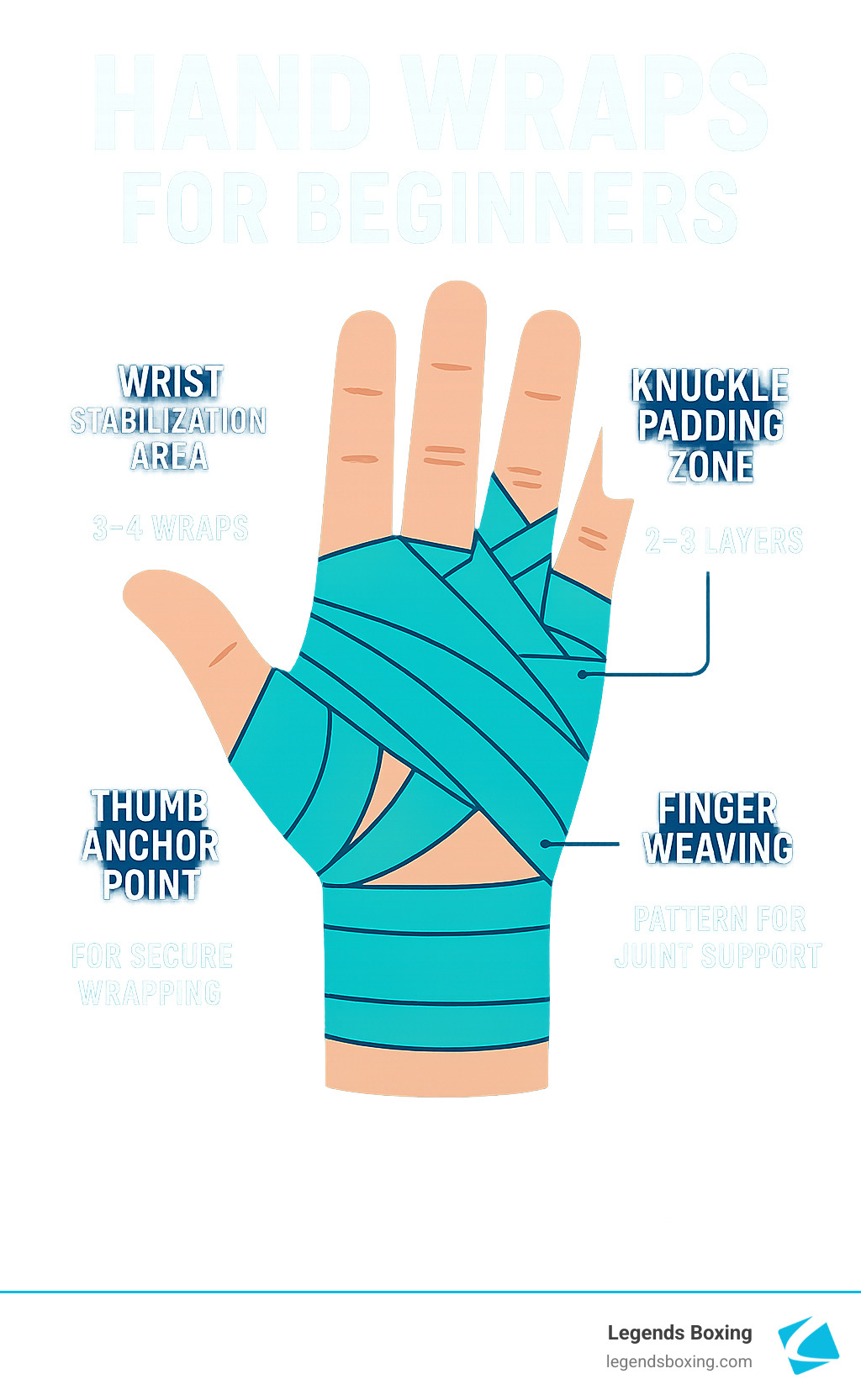
Why Hand Wraps Are Your Boxing Foundation
Hand wraps for beginners are essential protective gear that every new boxer needs before throwing their first punch. You wouldn't think of taking a hike without socks — and the same logic applies to boxing without hand wraps.
Quick Answer for Beginners:
| Best length | 180" for adults over 125 lbs, 120" for smaller hands |
| Best material | Semi-elastic cotton blend (Mexican-style) |
| Application time | 5–8 minutes for traditional wraps, 30 seconds for quick wraps |
| Cost | $5–$40 depending on type and brand |
| Wash frequency | Every 2–3 uses |
Hand wraps protect the 27 small bones, ligaments, and tendons in your hands from the repetitive impact of boxing training. They also stabilize your wrists, absorb sweat to keep your gloves fresh, and give you the confidence to punch with proper technique.
Robby Welch, National Head Coach at Legends Boxing with over two years of experience teaching hand wraps for beginners and developing training programs used nationwide, has guided hundreds of new boxers through their first wrapping sessions.
Why Your Hands Need Wrapping
Think of your hands as delicate instruments that weren't built for repeatedly punching heavy objects. Each hand contains 27 small bones connected by fragile ligaments and tendons — that's a lot of moving parts that can go wrong when you start throwing punches at bags and pads.
When you land a punch, the impact doesn't just stop at your knuckles. The force travels through your entire hand and into your wrist, creating stress points throughout the structure. Without proper protection, you're asking those tiny bones to handle far more than they're designed for.
Hand wraps for beginners act like a safety net by distributing impact across your entire hand instead of letting individual knuckles absorb all the punishment. They also stabilize your wrist joint to prevent the painful hyperextensions that can happen when you throw punches with poor form.
The wraps work by compressing small bones together, creating a more solid unit that handles impact better. They also protect your skin from cuts and scrapes that come from repeated contact with rough bag surfaces.
Without wraps, beginners often develop "boxer's knuckle" — that painful swelling and bruising that makes you wince every time you make a fist. Even worse, you could end up with metacarpal fractures or wrist sprains that keep you out of the gym for weeks. Scientific research on boxing hand injuries proves that consistent wrapping dramatically reduces injury rates across all skill levels.
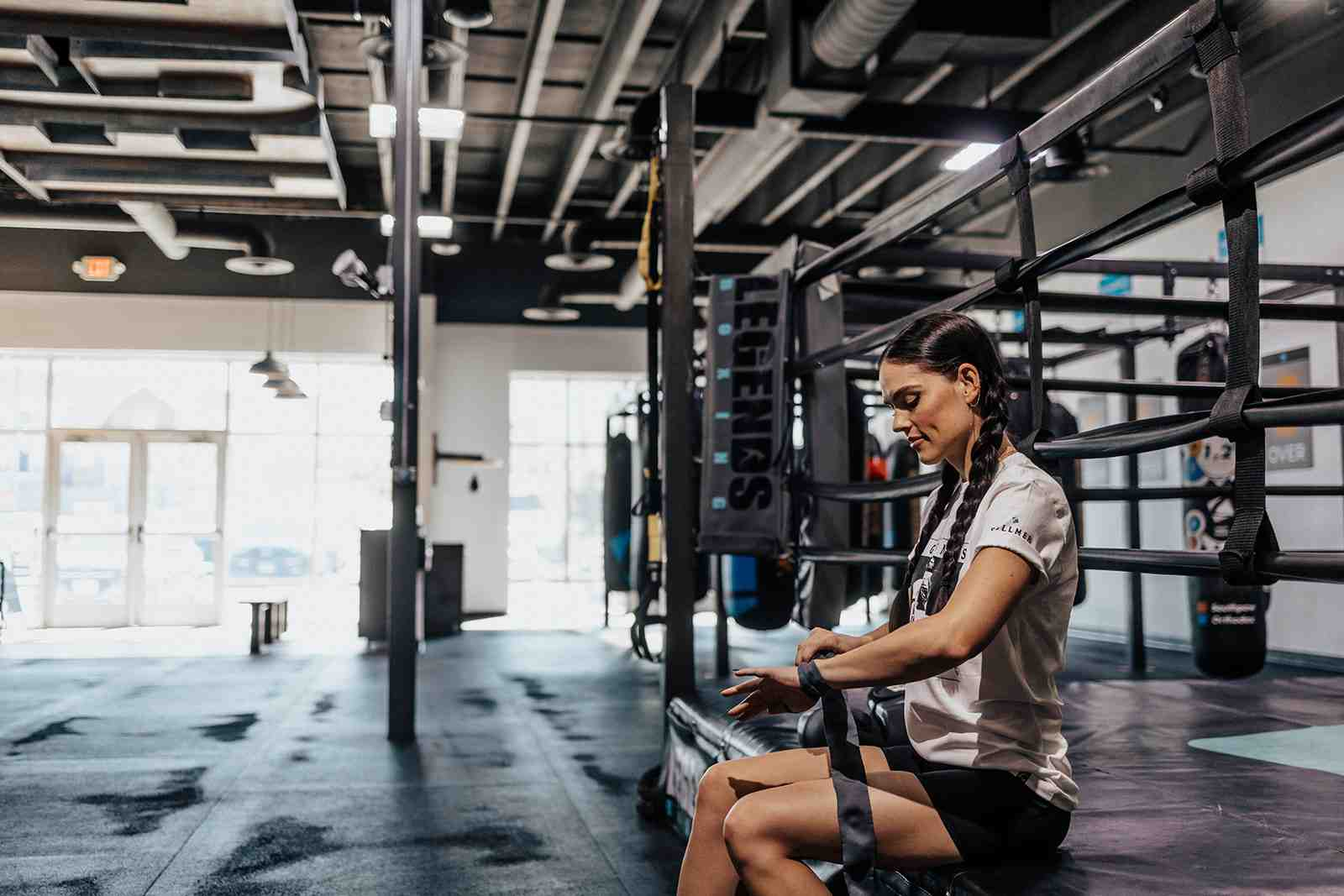
Hidden Benefits Beyond Protection
Hand wraps for beginners do far more than prevent injuries — they actually make you a better boxer from day one.
Sweat control is probably the most underrated benefit. Your wraps work like athletic socks for your hands, soaking up moisture before it turns your gloves into a slippery, smelly mess.
Wrist alignment is where the magic really happens. Proper wrapping automatically puts your wrists in the correct punching position, which means better technique and more powerful punches. Many beginners wonder why their punches feel weak — it's usually because their wrists are flopping around instead of staying locked and aligned.
Training consistency becomes much easier when you're not dealing with sore, bruised knuckles every few days. Protected hands mean fewer missed workouts, and consistency is absolutely crucial when you're building new boxing skills and fitness habits.
Choosing the Right Hand Wraps for Beginners
Walking into a boxing store or browsing online for your first pair of hand wraps can feel overwhelming. You don't need to overthink this decision, but understanding your options will help you make the right choice.
| Wrap Type | Application Time | Best For | Durability | Price Range |
|---|---|---|---|---|
| Traditional Cotton | 5–8 minutes | Custom fit, maximum protection | High | $5–$15 |
| Mexican (Semi-elastic) | 5–8 minutes | Contoured fit, versatility | High | $10–$20 |
| Quick Wraps | 30 seconds | Speed, convenience | Medium | $15–$40 |
| Gel Wraps | 15 seconds | Ultimate convenience | Low | $20–$50 |
Traditional cotton wraps are what you'll see in every boxing movie — long strips of woven cotton that require skill to apply correctly. They're the gold standard because they offer complete customization and maximum protection. The downside? They take practice to master.
Mexican-style wraps are the top recommendation for most beginners. They combine cotton with just enough elastic material (about 5–10%) to be forgiving when you're learning. They conform better to your hand shape and won't punish you as much if you wrap a bit too tight or loose.
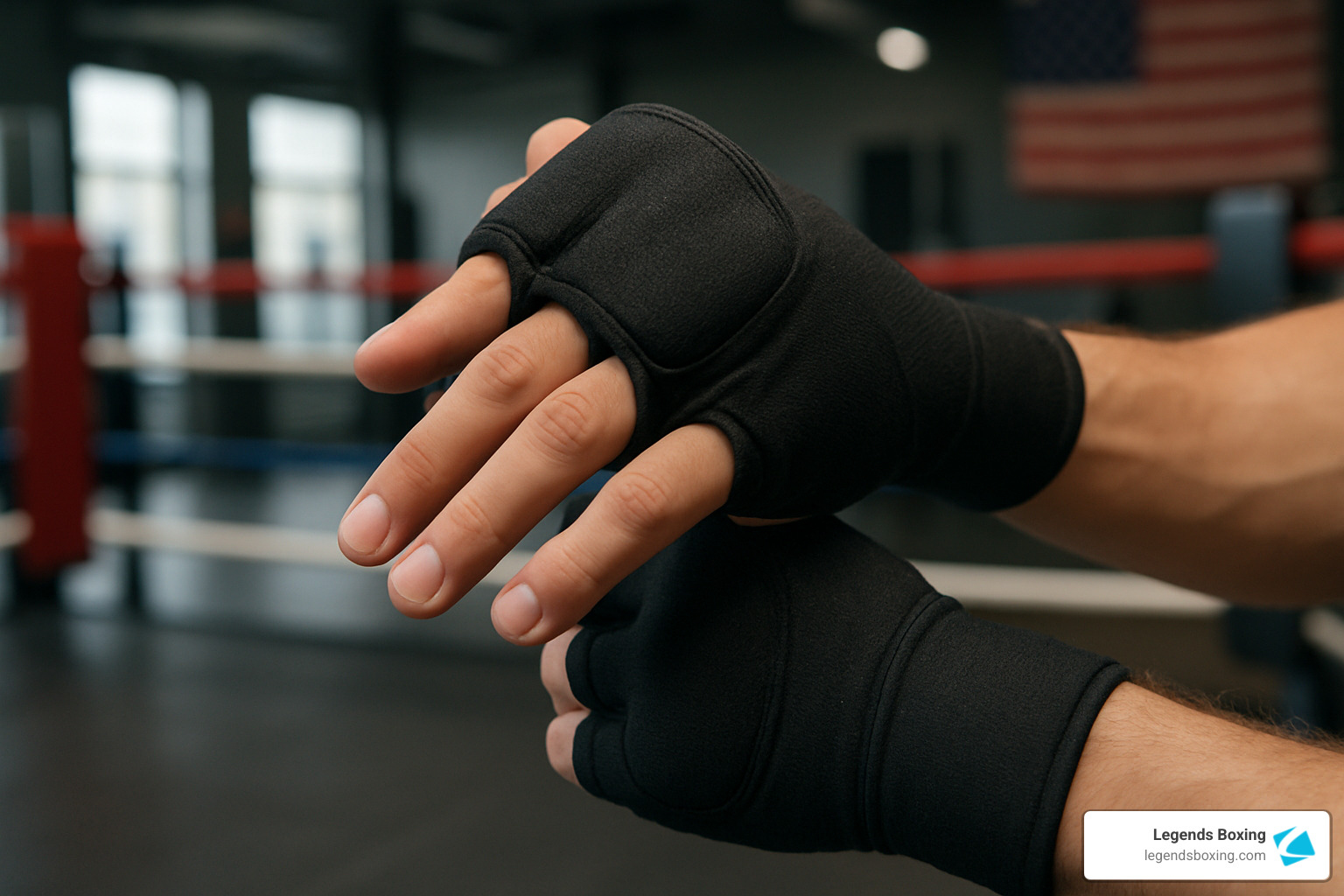
Quick wraps are the training wheels of the boxing world — and there's nothing wrong with that. They slip on like fingerless gloves and secure with a simple wrist strap. Perfect if you want to focus on learning punches rather than spending ten minutes figuring out hand wrapping.
Gel wraps offer ultimate convenience but sacrifice the wrist support that makes hand wraps so valuable in the first place. Think of them as a backup option rather than your primary choice.
Length & Material 101
For adults over 125 pounds, 180-inch wraps are your sweet spot. Yes, they seem ridiculously long when you first unroll them, but you'll use every inch for proper wrist support and knuckle padding. Smaller adults and teens do better with 120-inch wraps.
Material choice affects everything from comfort to durability. Cotton blends hit the perfect balance — breathable enough for sweaty workouts, durable enough to last months of regular training, and machine washable. Semi-elastic materials give you room for error while you're developing your wrapping technique and maintain their shape better over time.
Look for wraps with an open weave pattern that allows air circulation. Your hands will sweat during intense boxing workouts, and non-breathable wraps turn into soggy, uncomfortable messes quickly.
Kids & Small Hands
- Ages 6–10: 108-inch wraps maximum
- Ages 11–14: 120-inch wraps
- Small adult hands: 120–140 inches rather than jumping straight to 180
Parent tip: buy different colored wraps for each child. It prevents arguments and ensures better hygiene since each kid uses only their own wraps.
Types of Wraps & When to Use Them
Traditional cloth wraps are the workhorses of the boxing world. Made from woven cotton, they give you complete control over fit and protection, letting you add extra padding exactly where your hands need it most. If you're serious about learning proper technique and plan to train regularly, these are your best investment at $5–$15.
Mexican elastic wraps hit the sweet spot for most beginners. They combine cotton with a small amount of stretch material, making them much more forgiving if you wrap a bit too tight or loose. The elastic helps them conform to your hand shape naturally, and they stay put during intense workouts. At $10–$20, they're worth the small price increase.
Quick wraps are perfect when you're rushing to class or just starting out. While they don't offer the customization of traditional wraps, they provide decent protection for light to moderate training at $15–$40.
Gel wraps are the ultimate convenience option but come with trade-offs. They slide on in seconds but don't provide the wrist support serious training demands — best for shadow boxing or very light pad work.
The reuse factor varies dramatically between types. Traditional and Mexican wraps can last several years with proper care, while quick wraps need replacement every few months, and gel wraps tend to break down even faster.
Traditional vs. Quick Wraps — Key Differences
Application time: Traditional wraps require 5–8 minutes when learning (experienced boxers can wrap in under 3 minutes). Quick wraps go on in 30 seconds — a huge advantage when you're running late for class.
Adjustability: Traditional wraps let you customize protection for your specific hand shape, add extra knuckle padding, or provide more wrist support. Quick wraps offer a one-size-fits-most approach.
Durability: Traditional wraps can last several years of regular training. Quick wraps typically need replacement every 6–12 months.
Competition rules: Traditional wraps are required for sanctioned matches. Quick wraps are generally banned in competition because they don't meet safety standards.
Step-by-Step: Wrapping Your Hands Like a Pro
Learning to wrap your hands properly is like learning to tie your shoes — it seems complicated at first, but becomes automatic with practice.
Step 1 — Thumb loop anchor: Unroll about 12 inches of wrap and slip the loop over your thumb. The wrap should lie flat against your skin with the smooth side down. This thumb loop is your anchor point.
Step 2 — Wrist foundation: Wrap around your wrist 3–4 times, positioning each loop about 2–3 inches above your actual wrist joint. Keep the wrap snug but comfortable, like a firm handshake.
Step 3 — Knuckle protection: Bring the wrap across your palm and over your knuckles, then wrap around them 3–4 times. Return to your wrist between each pass — this creates stability and prevents loosening during your workout.
Step 4 — X-pattern across the back: This diagonal pattern adds crucial structural support and keeps everything in place when you're throwing punches. The X should be centered and balanced, creating a web of support across your hand.
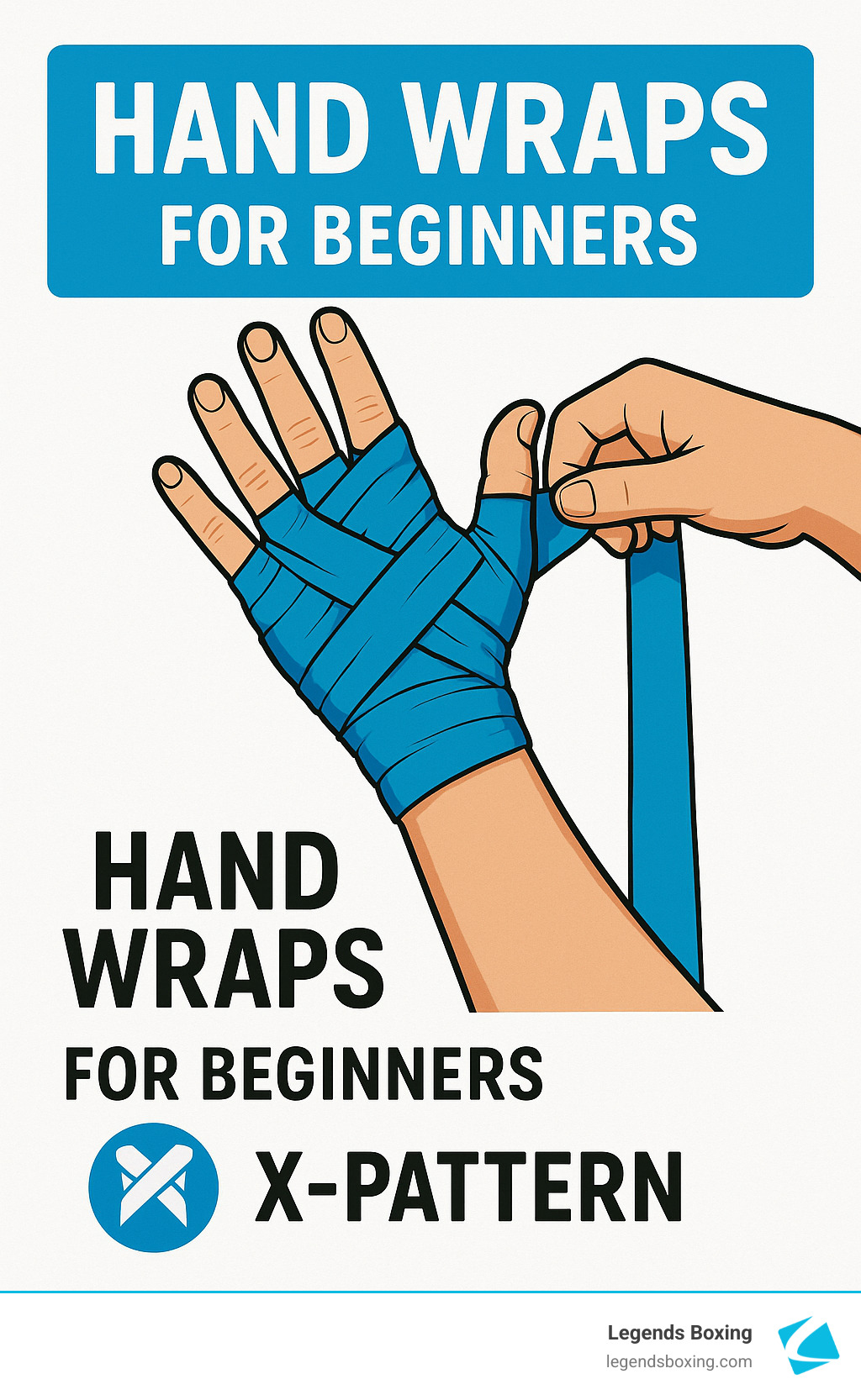
Step 5 — Finger weaving: Start between your pinky and ring finger, return to your wrist, then go between your ring and middle finger. Repeat between middle and index finger. This prevents your knuckles from jamming together on impact.
Step 6 — Thumb protection: Wrap around the base of your thumb twice. Your thumb takes a lot of stress during punching and needs its own protection — this step prevents hyperextension injuries.
Step 7 — Final wrist wraps: Use whatever material remains for additional wrist support. Secure everything with the Velcro closure on the outside of your wrist, not the palm side where it might interfere with your grip.
Step 8 — Circulation check: Make a fist, flex your fingers, and throw a few light shadow punches. Your fingers should maintain normal color, and the wrap should feel supportive without being restrictive.
Common Mistakes Beginners Make
Twisting the wrap is the most common error. When the wrap twists, it creates uncomfortable pressure points and reduces protection. Keep the wrap flat against your skin throughout the entire process.
Overtightening happens when beginners think tighter equals better protection — it doesn't. If your fingers change color or you can't make a proper fist, you've gone too far. The wrap should feel like supportive compression, not a tourniquet.
Skipping the thumb comes back to haunt beginners during their first heavy bag session. Your thumb needs protection from hyperextension, and proper thumb wrapping is crucial for maintaining good punching form.
How Tight Is "Just Right"?
After wrapping, make a tight fist and hold it for 10 seconds — you should feel solid support without any discomfort, tingling, or pressure. Watch for color changes in your fingernails and fingertips: healthy pink means good circulation, while white or blue fingertips mean too tight. Start slightly loose and adjust as needed rather than wrapping too tightly.
Care, Cleaning & Replacement
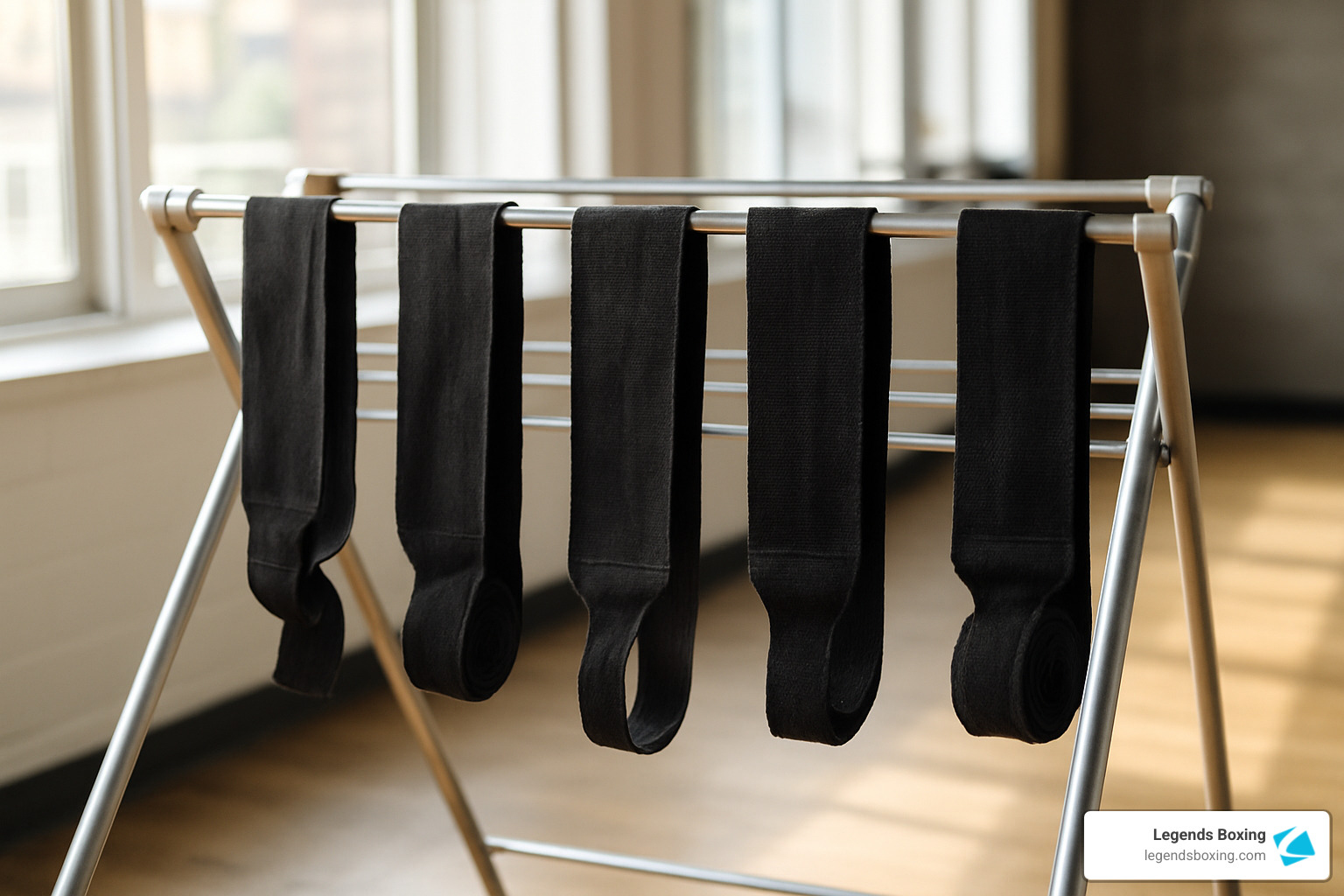
Think of your hand wraps like athletic socks — they absorb sweat, contact your skin for extended periods, and need regular washing to stay fresh. The difference is that quality hand wraps are a bigger investment, so proper care really pays off.
Washing: Wash your wraps every 2–3 uses to prevent bacteria buildup. If you're training daily, buy two pairs so you can rotate while one set is being cleaned.
How to wash: Always use a mesh laundry bag — without it, you'll end up with a tangled mess. Wash in cold water with regular detergent, skip the fabric softener (it makes wraps slippery and reduces grip). For stubborn odors, add a cup of white vinegar to the wash cycle.
Never put your wraps in the dryer. The heat can damage elastic fibers, cause shrinkage, and ruin your perfectly fitted wraps. Always air dry by hanging them straight or laying flat.
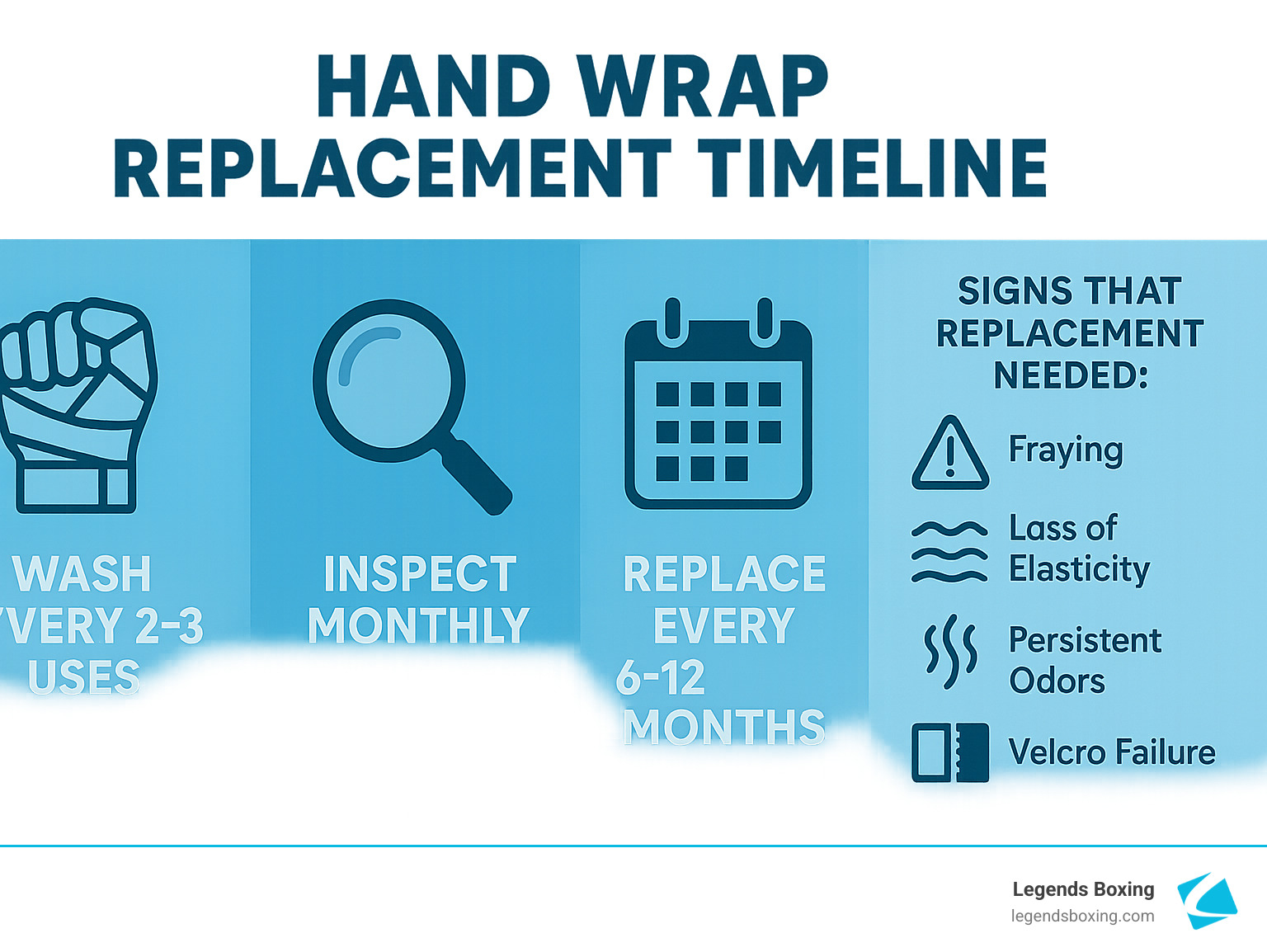
Replacement signals: fraying edges or holes, loss of elasticity (wraps won't stay snug), Velcro that barely sticks, or persistent odors that survive multiple wash cycles. Thinning fabric is another red flag — your wraps should provide consistent protection.
For regular trainers (3–4 sessions per week), expect to replace your wraps every 6–12 months. Training 1–2 sessions per week, a quality pair can easily last 2–3 years with proper care. Quality hand wraps cost less than a single month's gym membership, so taking care of them just makes sense.
Storing & Rolling for Next Session
The reverse-roll trick: after your wraps are completely dry, roll them with the Velcro end on the inside. This prevents the Velcro from sticking to everything in your gym bag and makes unrolling much easier when you're ready to wrap.
Keep pairs together by tying them with a rubber band or small piece of tape. And never store damp or sweaty wraps in your gym bag — this creates a bacteria paradise and can contaminate your other equipment.
Frequently Asked Questions
Do I ever train with only wraps and no gloves?
Yes, but with important limitations. Shadow boxing and light pad work are perfect for wrap-only training — many professional fighters prefer this for technique work because they can feel their hand position more clearly without bulky gloves.
However, hand wraps should never be your only protection for heavy bag work or any serious impact training. Wraps protect your bones and joints, but they don't provide the cushioning your knuckles need when hitting solid targets. Think of wraps as your foundation and gloves as your shock absorbers — you need both for complete protection.
Can athletic tape replace hand wraps for beginners?
While athletic tape can work in an emergency, it's not the best choice for regular boxing training. It's designed for single use, making it expensive over time compared to reusable cloth wraps. A roll of quality athletic tape costs about the same as a good pair of hand wraps, but the tape is gone after one session while the wraps last for months. Tape applied directly to skin can also be uncomfortable during longer sessions and painful to remove.
For beginners, stick with traditional cloth wraps — more economical, more comfortable, and specifically designed for boxing training.
How often should my wraps be replaced?
For regular trainers (3–4 sessions per week): every 6–12 months. Training 1–2 sessions per week: a quality pair can last 2–3 years with proper care.
Watch for: fraying along edges, loss of elasticity, Velcro failure, or persistent odors that survive washing. Pro tip: having multiple pairs in rotation extends the life of each set significantly — while one pair is being washed and dried, you can train with another.
Your Boxing Journey Starts Here
Learning to wrap your hands properly is one of the most important skills you'll develop as a new boxer. It might seem like a small detail, but hand wraps for beginners are truly the foundation that everything else builds on.
Think of hand wrapping as your pre-workout ritual — those few minutes of careful preparation that signal to your body and mind that it's time to work. The essentials to remember: 180" semi-elastic wraps work best for most adults, proper technique takes practice but becomes automatic, and washing every 2–3 uses keeps you healthy and your gear lasting longer.
At Legends Boxing, we've watched thousands of beginners walk through our doors feeling uncertain about their first boxing class. The ones who succeed aren't necessarily the strongest or most athletic — they're the ones who master the fundamentals first, starting with something as simple as wrapping their hands correctly.
The confidence that comes from knowing your hands are properly protected translates into better punches, more intense workouts, and faster progress toward your goals. Whether you're looking to lose weight, build strength, or try something completely new, that confidence starts with a simple strip of cotton wrapped around your hands.
Ready to put your new wrapping skills to the test? Find a Legends Boxing location near you and let our coaches help you perfect your technique — or book your first free class today. No experience required.