
Boxing Glove TLC – Keep Your Gloves in Fighting Shape
How to care for boxing gloves is essential for any boxer or fitness enthusiast. Without proper maintenance, gloves become breeding grounds for bacteria, develop persistent odors, and deteriorate far faster than they should. This guide covers daily and weekly care routines, deep cleaning methods (including the freezer trick), leather vs. synthetic differences, storage solutions, hand wrap hygiene, and how to know when it's time to replace your gear.

Keep Your Gloves Fresh and Strong: The Essentials
How to care for boxing gloves is essential for any boxer or fitness enthusiast. Without proper maintenance, your gloves can become breeding grounds for bacteria, develop persistent odors, and deteriorate faster than they should.
Here's a quick guide to boxing glove care:
- Wipe down gloves after each use with a dry cloth
- Air dry completely in a well-ventilated area (never in your gym bag)
- Use hand wraps to absorb sweat and protect glove interiors
- Apply glove deodorizers or "glove dogs" to absorb moisture and odor
- Inspect regularly for wear and tear
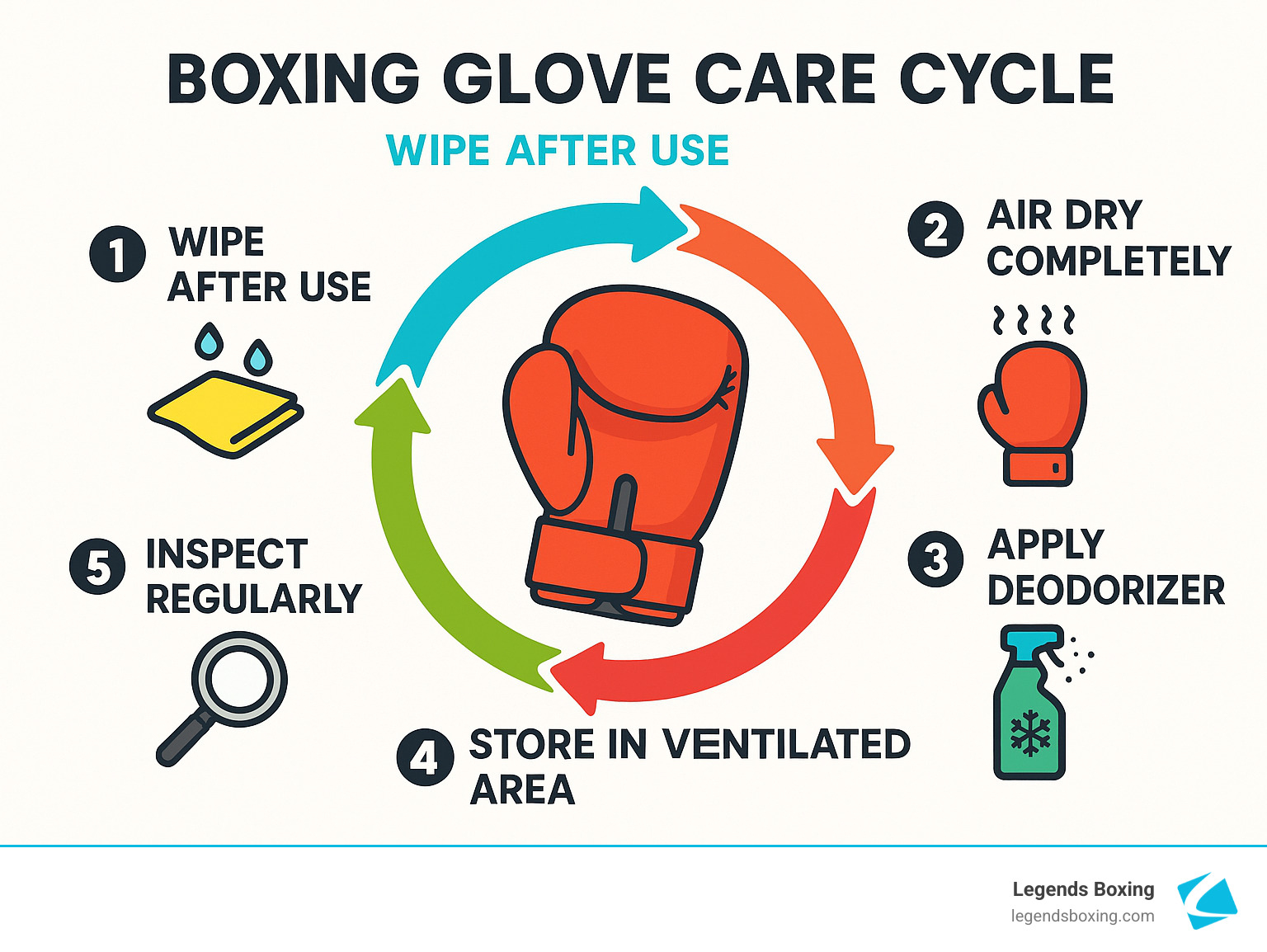
It's nine in the evening. You've just finished an intense boxing session. You're tired and sore. All you want is a shower, maybe a meal, and your bed. But what about your gloves?
Those boxing gloves represent a significant investment — both financially and in your training journey. Without proper care, they can develop that unmistakable gym-bag funk that makes everyone at the gym keep their distance. Worse, they can harbor bacteria and fungi that might cause skin infections or degrade the materials.
According to research, storing gloves in a well-ventilated area rather than a closed gym bag can prevent up to 90% of odor and bacteria issues. Just a few minutes of care after each session can extend your gloves' lifespan from months to years.
I'm Robby Welch, National Head Coach at Legends Boxing with extensive experience teaching boxers how to care for boxing gloves through our comprehensive training programs and personal coaching sessions nationwide.
Why Your Gloves Smell: The Science & Stakes
Ever pulled your boxing gloves from your gym bag only to be greeted by an eye-watering stench? That distinctive "gym funk" isn't just unpleasant — it's your equipment sending you an urgent message.
The Perfect Storm for Bacteria
When you think about it, boxing gloves create the ideal bacterial playground:
Sweat retention is the primary culprit. During an energetic class at Legends Boxing, your hands can produce surprising amounts of moisture. In fact, your hands might release up to a pint of sweat during an intense training session, most of which gets trapped inside your gloves.
Dark, moist interior environments are bacteria's dream home. The inside of your gloves provides warmth, darkness, and moisture — exactly what microorganisms need to multiply rapidly.
"Think of unwashed boxing gloves like a petri dish strapped to your hands," explains one of our coaches at Legends. "Each time you put them on without proper cleaning, you're reintroducing your skin to yesterday's bacteria party."
The combination of limited airflow and organic material (your sweat) creates perfect conditions for both bacteria and mold to thrive. This isn't just gross — it's potentially harmful.
Beyond the Smell: Health and Equipment Risks
That distinctive odor is just the most obvious sign of a deeper problem:
Skin infections become a real risk when bacteria and fungi multiply in your gloves. Even small cuts or abrasions on your hands can become entry points for these microorganisms, potentially leading to uncomfortable conditions like ringworm or staph infections.
Your gloves themselves suffer too. Constant moisture breaks down materials much faster than normal wear and tear, especially in leather gloves where repeated soaking and improper drying leads to cracking and deterioration.
One of our dedicated members at our Riverton location shared: "I was burning through gloves every couple months before learning how to care for boxing gloves properly. Now my current pair has lasted over a year and still smells fresh after sessions."
Research shows that something as simple as storing gloves in a well-ventilated area instead of a sealed gym bag can prevent up to 90% of odor and bacteria issues. That five-second decision to unstrap your gloves and set them out to dry can literally add months to their useful life.
When you consider the cost of quality boxing gloves, proper maintenance isn't just about hygiene — it's about protecting your investment in yourself and your training journey.
How to Care for Boxing Gloves: Daily & Weekly Essentials
Establishing a consistent care routine is crucial for maintaining your boxing gloves. At Legends Boxing, we emphasize that how to care for boxing gloves properly is just as important as learning proper punching technique.
After Every Session
After each workout at Legends Boxing, follow these immediate steps:
Wipe down immediately. Use a dry cloth or paper towel to wipe the inside of your gloves as soon as you take them off. This removes surface moisture before it can soak deeper into the padding.
Open all straps and Velcro. "One of the biggest mistakes I see at our Lehi location is members closing their gloves right after use," says our head trainer. "Always leave them fully open to maximize airflow."
Air them out. Never, ever stuff your gloves directly into your gym bag. As trainer Shanie Smash emphasizes, "You wouldn't not shower after training — so don't skip cleaning your gloves."
Use fresh hand wraps each time. Think of wraps as socks for your hands. Would you wear the same socks every day? Clean wraps absorb sweat before it reaches your gloves.
Wash your hands before gloving up. This simple step significantly reduces bacteria transfer to your gloves. A quick wash with antibacterial soap makes a big difference.
One of our members at our Sandy UT location shared this practical tip: "I keep a small microfiber towel in my gym bag specifically for wiping down my gloves. It's become an automatic part of my post-workout routine — takes 30 seconds but saves me from that awful glove smell."
Between Classes
Between your boxing sessions at Legends Boxing, implement these weekly maintenance practices:
Deeper cleaning with mild soap. Once a week, dampen (not soak) a cloth with warm water and mild, fragrance-free soap. Gently wipe both the interior and exterior of your gloves. For leather gloves, be especially careful not to over-wet.
Vinegar mist treatment. Create a solution of one tablespoon white vinegar to a spray bottle of water. Lightly mist the interior of your gloves and wipe with a dry cloth. The mild acidity helps kill bacteria without damaging materials.
As one of our coaches at our St. George UT location notes, "Less is more with vinegar. You want to disinfect, not pickle your gloves."
Baking soda deodorizer. Sprinkle a small amount of baking soda inside your gloves and let sit overnight. Shake out thoroughly before your next session. This natural deodorizer can neutralize odors within a few hours.
Fan-assisted drying. Place your gloves in front of a fan to speed up the drying process, especially if you train frequently. Position them with the openings facing the airflow for maximum effectiveness.
Consistency is key. These simple habits, when performed regularly, can extend your gloves' life significantly and save you money in the long run.
Deep Cleaning, Drying & Odor Neutralizing Methods
Even with regular maintenance, sometimes your boxing gloves need a deeper clean. After those extra sweaty sessions or if you've accidentally left your gloves in your gym bag overnight, these advanced methods can rescue them from serious funk. At Legends Boxing, we've seen (and smelled) it all, and these are the techniques that truly work.
The Saltwater Soak (For Synthetic Gloves Only)
Let me emphasize this right away — this method is for synthetic gloves only. Your leather gloves will thank you for skipping this one.
The saltwater soak works wonders on particularly smelly synthetic gloves. Simply dissolve 1–2 tablespoons of salt in a gallon of warm water, then submerge your gloves for about 10–15 minutes — no longer! After that, give them a thorough rinse with clean water, gently squeeze out excess moisture (never wring them), and set them out to air dry completely.
"Salt has natural antibacterial properties that can eliminate most of the odor-causing bacteria in synthetic gloves," explains our equipment specialist at our Bountiful location. "Just remember that patience is key with drying afterward — rushing back to training with damp gloves puts you right back at square one."
The Freezer Method: Nature's Bacteria Killer
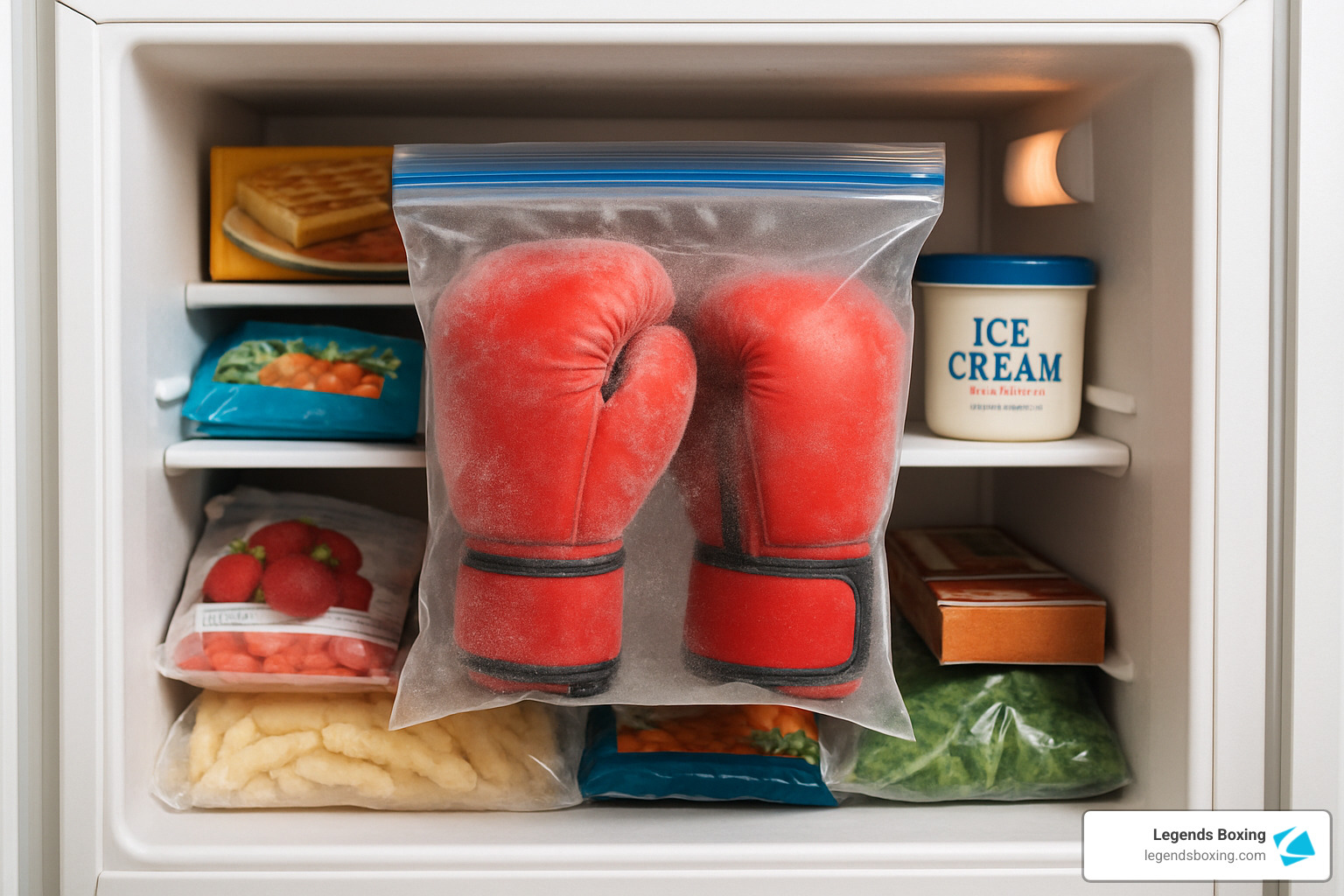
This technique might raise eyebrows, but I've seen it work miracles. The science is simple: extreme cold damages bacterial cell structures.
Place your gloves in a sealed plastic bag (this prevents freezer burn and keeps freezer odors out of your gloves), then tuck them in the freezer overnight. The next day, let them warm up to room temperature before giving them a good airing out.
"The first time a member at our Saratoga Springs location told me about freezing gloves, I thought they were joking," admits one of our coaches. "But after recommending it to dozens of members with seriously funky gloves, I've become a true believer. The bacteria simply can't survive the freezing temperatures."
Apple Cider Vinegar: Nature's Disinfectant
Apple cider vinegar might be having its moment in wellness circles, but boxers have been using it for years to combat glove odor. Its natural antimicrobial properties make it excellent for neutralizing smells without harsh chemicals.
Mix one part apple cider vinegar with two parts water, lightly dampen a cloth with this solution, and wipe down your gloves' interior. Then allow them to air dry completely. The vinegar smell dissipates quickly, taking the glove odor with it.
According to scientific research, the acetic acid in apple cider vinegar effectively kills bacteria and prevents them from multiplying — exactly what you need to combat glove funk.
Boot/Shoe Dryer Method
For our members who train frequently, a boot or shoe dryer can be a game-changer in how to care for boxing gloves. These affordable devices gently circulate warm air through your gloves, drying them thoroughly without damaging the materials.
Simply place your gloves on the dryer posts, set to low heat (never high!), and run for 1–2 hours maximum. This method is particularly popular with our members who train 4+ times weekly and need their gloves ready for back-to-back sessions.
"Just remember that heat can break down glue and affect padding if overdone," cautions our Jordan Landing trainer. "Low and slow is the way to go."
Dryer Sheets: Quick Scent Fix
While not a deep cleaning solution, dryer sheets offer a quick fix between more thorough cleanings. Simply insert a fresh dryer sheet into each glove and leave overnight. Remove before your next training session, and you'll notice a significantly fresher scent.
One of our members laughingly shared: "I was so desperate before a date that I stuffed dryer sheets in my gloves while I showered after class. My gloves smelled better than I did by the time I left!"
These deep cleaning methods work best as occasional treatments, not replacements for your regular after-session care routine. Prevention is easier than cure when it comes to how to care for boxing gloves. Five minutes of maintenance after each workout saves hours of deep cleaning later.
Leather vs. Synthetic: Material-Specific TLC
Just like boxers have different fighting styles, boxing gloves come in different materials — each needing its own special care routine.
Leather Gloves: The Traditional Choice
There's something special about slipping your hands into genuine leather gloves. They mold to your hands over time, developing character like a well-worn baseball glove. But this premium experience comes with specific care needs.
Cleaning Do's:
- Wipe with a slightly damp cloth and mild soap
- Use leather-specific cleaners for stubborn stains
- Apply leather conditioner every 1–2 months
Cleaning Don'ts:
- Never submerge in water
- Avoid direct sunlight when drying
- Don't use harsh chemicals or alcohol-based products
"Leather is essentially animal skin," explains our equipment specialist at Legends Boxing in Orem UT. "It needs to maintain a certain level of moisture to prevent cracking, similar to how our skin works."
Petroleum Jelly Method. Some of our more old-school members swear by this traditional method — like giving your gloves a spa treatment. Apply a small amount of petroleum jelly to two fingers, spread a thin layer over the leather exterior, let it sit overnight, then wipe off any excess with a dry cloth the next day. This helps condition the leather and prevents it from drying out and cracking. Just don't overdo it, or you'll be slipping punches for all the wrong reasons!
Synthetic Gloves: Modern Alternatives
Synthetic gloves — made from vinyl, PU leather, or neoprene — have come a long way in recent years. They're generally more water-resistant and forgiving when it comes to cleaning.
Cleaning Do's:
- Wipe with soap and water solution
- Some synthetic gloves can be briefly submerged in soapy water
- Use diluted vinegar spray for disinfection
Cleaning Don'ts:
- Avoid prolonged soaking
- Don't use leather conditioners
- Avoid excessive heat when drying
"The advantage of synthetic gloves is their ease of cleaning," notes one of our coaches at our Cache Valley UT location. "But they still need proper care to prevent odor buildup and material degradation."
Mild Bleach Solution (Synthetic Only). When your synthetic gloves smell like they've been through twelve rounds with a skunk, create a solution of 1 part bleach to 10 parts water. Dampen a cloth with this solution and wipe the interior of the gloves. Follow up by wiping with a clean, water-dampened cloth to remove any bleach residue, then air dry completely. Always test on a small area first — nobody wants unexpectedly tie-dyed gloves!
Material Comparison at a Glance
| Care Aspect | Leather Gloves | Synthetic Gloves |
|---|---|---|
| Cleaning Frequency | Wipe after each use; condition monthly | Wipe after each use; deeper clean weekly |
| Water Exposure | Minimal; never submerge | Can tolerate light moisture; some can be briefly submerged |
| Conditioning | Required every 1–2 months | Generally not needed |
| Drying Time | Longer (12–24 hours) | Shorter (8–12 hours) |
| Lifespan with Proper Care | 1–3 years | 6 months – 2 years |
| Best Cleaning Agent | Leather-specific cleaner, mild soap | Mild soap, diluted vinegar |
Sarah, who trains at multiple Legends Boxing locations, shared her experience: "I switched from leather to synthetic gloves when I started training more frequently. The synthetic ones are easier to maintain when you're hitting the gym 4–5 times a week, though my leather gloves definitely had a premium feel that I miss."
Whether you're rocking traditional leather or modern synthetics, the golden rule remains the same: never, ever stuff damp gloves into your gym bag. That's the boxing equipment equivalent of throwing in the towel!
Storage, Hand Wrap Hygiene & Preventive Gear
Proper storage and preventive measures are just as important as cleaning when it comes to how to care for boxing gloves.
Optimal Storage Solutions
Ventilated storage is absolutely crucial. That gym bag might be convenient, but it's a bacteria paradise. "I always tell my clients to think of their gym bag as a sauna for microbes," jokes one of our coaches. Instead, find a cool, dry spot where air can circulate freely around your gloves.
Many of our serious boxers at our Lee Vista FL location have installed simple glove racks near their gear storage. Hanging gloves by their wrist straps allows air to flow around the entire glove, preventing those damp pockets where bacteria thrive. Even a couple of hooks on the wall work perfectly.
Be mindful of where you keep your gear. Avoid extreme environments like direct sunlight, which can crack leather, or bathrooms where humidity levels skyrocket. Your car trunk in summer? Absolutely not! Temperature extremes and humidity are the sworn enemies of boxing gloves.
Glove Dogs & Moisture Absorbers
If you haven't heard of "glove dogs" yet, you're missing out on one of the best-kept secrets for extending glove life. These small pouches filled with moisture-absorbing materials work while you rest, pulling dampness out of your gloves between sessions.
- Cedar-filled sachets offer natural antimicrobial properties that not only absorb moisture but also fight odor-causing bacteria
- Silica gel packets — yes, those little packets that come with new shoes — are moisture-absorption powerhouses; save them to tuck into your gloves after training
- Bamboo charcoal bags have become increasingly popular for their exceptional odor neutralization properties; refresh them occasionally by placing in sunlight
One of our creative members at our Meyerland TX location shared a brilliant DIY approach: "I make my own glove dogs using old clean socks filled with cedar chips from the pet store. They cost next to nothing but work just as well as the fancy ones. My training partners no longer back away when I open my bag!"
Hand Wrap Hygiene: The First Line of Defense
Your hand wraps are the unsung heroes of glove care — they're literally catching sweat before it reaches your gloves. Neglect them, and you might as well be injecting bacteria directly into your gloves.
Wash frequency matters tremendously. Ideally, wash your hand wraps after every use. At minimum, wash them every 2–3 sessions. Place them in a mesh laundry bag before tossing in the washing machine — this prevents the frustrating tangling that can make you want to throw them away. Use a gentle cycle with mild detergent.
"Always secure the Velcro before washing," advises our coach at Sandy UT. "Not only does this prevent it from catching on other items, but it also helps the Velcro maintain its grip longer."
For drying, air drying by hanging them up is ideal, though a tumble dry on low heat works in a pinch. The cardinal sin? Storing damp wraps — which is essentially preparing a bacteria banquet.
Implementing a rotation system with multiple pairs of hand wraps is something our most committed members swear by. "I have four pairs in rotation," shares one of our regulars at Riverton UT. "This ensures I always have a clean pair ready while others are being washed or drying. Since starting this system, my gloves have remained odor-free for over a year."
Preventive Measures Worth Adopting
- Pre-workout hand washing with antibacterial soap before wrapping and gloving up significantly reduces bacteria transfer — takes 30 seconds but makes hours of difference
- Post-workout hand washing immediately after removing gloves and wraps, washing away bacteria that multiplied during your sweaty session
- Thin moisture-wicking glove liners under your wraps provide an additional layer of protection — easier to wash frequently than replacing gloves
- Sport-specific antibacterial spray in your gym bag for immediate post-workout treatment can halt bacteria growth before it starts
By combining proper storage techniques, moisture absorbers, hand wrap hygiene, and these simple preventive measures, you're creating a comprehensive system of glove care. Your equipment will thank you by lasting longer, smelling better, and keeping your hands healthy for all those jabs and hooks at your next Legends Boxing class.
Inspection, Replacement & Safety Signals
Even with meticulous care, boxing gloves don't last forever. Knowing when to replace them is crucial for both performance and safety.
Regular Inspection Routine
Think of your glove inspection as a monthly health check-up. Just as you'd notice changes in your body, you should become familiar with the normal state of your gloves so you can spot when something's off.
"I tell my students to give their gloves a quick once-over before each session," says our head coach at Legends Boxing in Salt Lake City UT. "It only takes a few seconds but can prevent potential injuries."
- Exterior: examine for cracks, splits, or tears, especially along the seams where stress concentrates during impacts
- Padding: give it a good squeeze with your thumbs — healthy padding should bounce back quickly; if it stays compressed or feels lumpy and uneven, your knuckle protection is breaking down
- Closure systems: worn-out Velcro or fraying laces can lead to a loose fit during training, potentially causing wrist injuries when you land heavy punches
- The smell test: there's a difference between "gym equipment" smell and something that makes your eyes water; persistent funk that doesn't improve after cleaning suggests bacteria have made themselves too comfortable
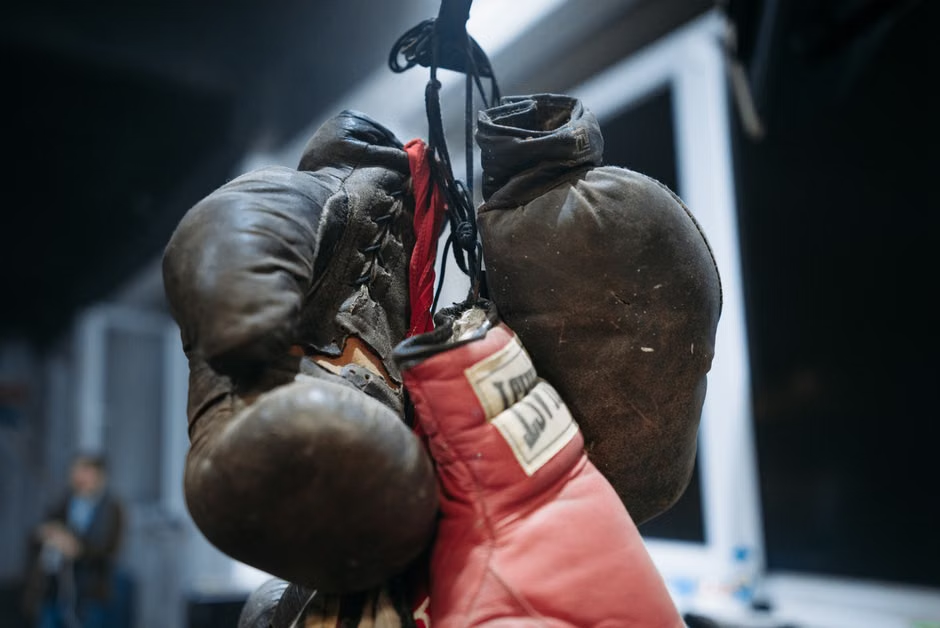
Warning Signs It's Time for Replacement
Your gloves will tell you when they're ready to retire — if you're willing to listen.
Padding compression is perhaps the most serious warning sign. One of our Legends Boxing members in Lehi UT described it perfectly: "It was like the difference between punching with pillows and punching with paper towels." When you start feeling your knuckles making impact through the padding, you're no longer getting the protection you need.
Visible damage like cracks in leather or splits at seams isn't just unsightly — it's unsafe. These openings can catch on bags or an opponent's equipment, and they expose the inner materials to sweat and bacteria.
Persistent odor that doesn't respond to freezing, deodorizing, and every cleaning method in this guide means bacteria have penetrated too deeply into the materials to be fully eliminated.
New discomfort or pain during training. Your body often notices problems before your eyes do. Sudden hand pain that wasn't there last week could be your first clue that the padding has deteriorated.
Visible mold or mildew — those fuzzy patches of green, black, or white — means it's game over. No amount of cleaning can safely salvage gloves at that point, and continuing to use them poses serious health risks.
Replacement Timeline Guidelines
| Training Frequency | Expected Glove Lifespan |
|---|---|
| 3–5 times weekly | 6–12 months |
| 1–2 times weekly | 1–2 years |
| Occasional (few times/month) | 2–3 years |
"The quality of your gloves also affects their lifespan," notes our equipment specialist. "Premium gloves with better materials and construction will generally last longer than budget options."
One of our members at our St. George UT location learned this lesson the hard way: "I tried to extend the life of my old gloves with extra cleaning, but eventually realized the padding was too compressed to offer proper protection. After switching to new gloves, I immediately noticed the difference in hand protection and comfort."
The Cost of Waiting Too Long
Being frugal is admirable, but not when it comes to safety equipment. Continuing to use gloves past their prime can lead to consequences that cost far more than a new pair of gloves.
- Hand injuries become more likely as padding thins out — each impact sends more force directly to your knuckles
- Wrist instability as the support structures break down, turning mild discomfort into sprains that keep you out of the gym for weeks
- Skin infections from persistent bacteria, especially if you have small cuts or abrasions on your hands
- Impaired performance — it's hard to focus on technique and power when you're unconsciously pulling punches to protect your hands
At Legends Boxing, we believe that proper equipment is essential for both safety and performance. While replacing gloves is an expense, we see it as an investment in your training journey — one that pays dividends in protection, comfort, and confidence in the ring.
Frequently Asked Questions
Can I put boxing gloves in the washing machine?
This question comes up at least once a week, and my answer is always the same: absolutely not.
Throwing your gloves in the washing machine is essentially giving them a death sentence. Tom, our coach at Legends Boxing in Bountiful UT, still tells the story of a newer member who did this: "He brought in what looked like sad, deflated balloons the next day. The padding was completely bunched up in weird places, and the gloves were basically unwearable."
The washing machine destroys gloves because the excessive water saturates deep into the padding (hello, mold!), the spinning and agitation tear at the seams, and detergents break down the glues holding everything together. By the time the cycle finishes, you've got a pair of expensive, misshapen gloves that won't protect your hands anymore. Stick with the hand-cleaning methods covered above — your hands and wallet will thank you.
How often should I replace my boxing gloves?
For our dedicated members hitting classes 3–5 times weekly, expect to replace your gloves every 6–12 months. If you're coming in 1–2 times a week, you might get 1–2 years from a good pair. Our occasional boxers who drop in a few times a month can sometimes stretch that to 2–3 years with proper care.
But numbers aside, your gloves will tell you when they're done. Watch for flattened padding (you'll feel your knuckles making impact), visible damage like cracks or split seams, and that stubborn gym funk that won't go away no matter how much you clean them.
Sarah, one of our trainers in Lehi, puts it perfectly: "I've seen too many members nursing sore hands because they tried to squeeze an extra month out of worn-out gloves. That $60–80 for new gloves is a lot cheaper than the doctor's visit for a hand injury."
Are glove deodorizers really necessary?
Necessary? Perhaps not. A game-changer for your glove lifespan and gym reputation? Absolutely.
Those little glove dogs or deodorizers aren't just about preventing the notorious "glove stink." They're actively pulling moisture from the padding after your workout, which dramatically speeds drying time. Many contain natural odor neutralizers like cedar or activated charcoal that don't just mask smells — they eliminate them.
If you're not ready to purchase commercial deodorizers, several of our members have had success with DIY alternatives. Mike from our Jordan Landing location showed me his homemade version: "I just filled some old, clean socks with cedar chips from the pet store. Cost me like three bucks, and they work great." Other members swear by stuffing their gloves with newspaper (replace daily) or saving those silica gel packets that come with new shoes.
For anyone training regularly at Legends Boxing, I'd put glove deodorizers in the "small investment, big return" category. Your training partners will appreciate it too!
Taking Care of Your Gloves Is Taking Care of Your Training
Taking proper care of your boxing gloves isn't just about maintenance — it's a reflection of the same discipline and dedication that boxing instills in every other aspect of your life. At Legends Boxing, we see a direct correlation between how members treat their equipment and their commitment to training.
The simple one-minute maintenance routine we've outlined throughout this guide can transform your gloves' lifespan from mere months to several years.
Essential takeaways from our guide on how to care for boxing gloves:
- Never trap moisture by storing damp gloves in your gym bag — this is the fastest way to develop that notorious boxing glove funk; always give them proper air circulation after every session, no matter how tired you are
- Use hand wraps consistently and wash them regularly — think of them as the first line of defense for both your hands and your gloves; clean wraps mean cleaner gloves
- Employ deodorizers like cedar sachets or commercial glove dogs to absorb moisture and neutralize odors before they become permanent
- Know when it's time to say goodbye — even the best-maintained gloves eventually need replacement for safety reasons; padding compression, persistent odor, and visible damage are your signals
- Different materials demand different care — leather gloves need conditioning to prevent cracking, while synthetic gloves can tolerate slightly more moisture during cleaning
As Muhammad Ali once said, "Champions aren't made in gyms. Champions are made from something they have deep inside them — a desire, a dream, a vision." We believe this applies to all aspects of boxing, including the seemingly mundane task of caring for your equipment.
Whether you're training with us at one of our Legends Boxing locations across Utah, Florida, and Texas, or working out at home, implementing these glove care practices will significantly improve both your boxing experience and performance.
Find a Legends Boxing location near you and join our community of dedicated boxers who understand that greatness lies in the details — both in technique and in equipment care. Or book your first free class today and experience what proper boxing training feels like. Your gloves protect your hands through countless punches. Return the favor by protecting them with proper care.