
Glove Up: Your Essential Guide to Boxing Glove Selection
The wrong boxing gloves can lead to hand injuries, poor technique, and a frustrating experience that kills your motivation. This guide walks you through all four steps — matching glove type to training goal, choosing the right ounce weight, picking materials and closures, and caring for your gloves long-term — so you can train with confidence from day one.
Why the Right Gloves Matter
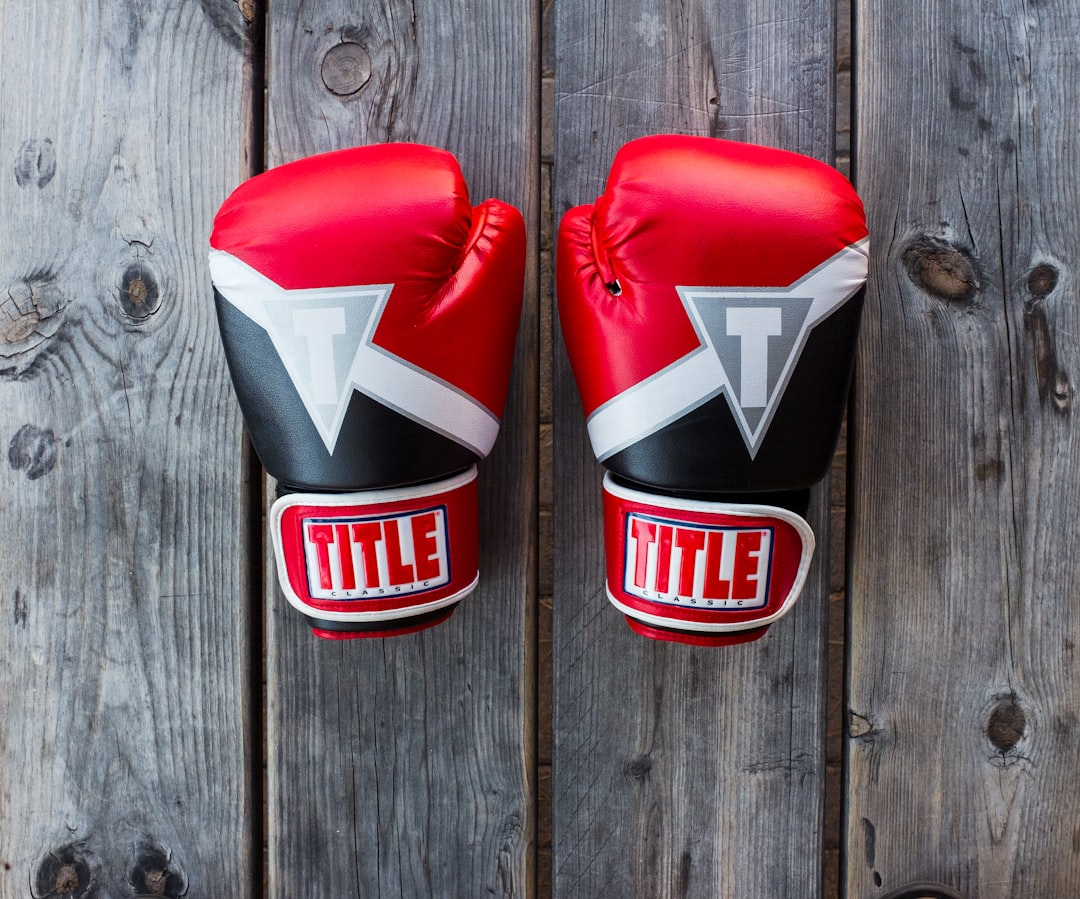
How to choose boxing gloves is one of the most important decisions you'll make on your boxing fitness journey. The wrong gloves can lead to hand injuries, poor technique, and a frustrating experience that kills your motivation.
Quick answer: how to choose boxing gloves
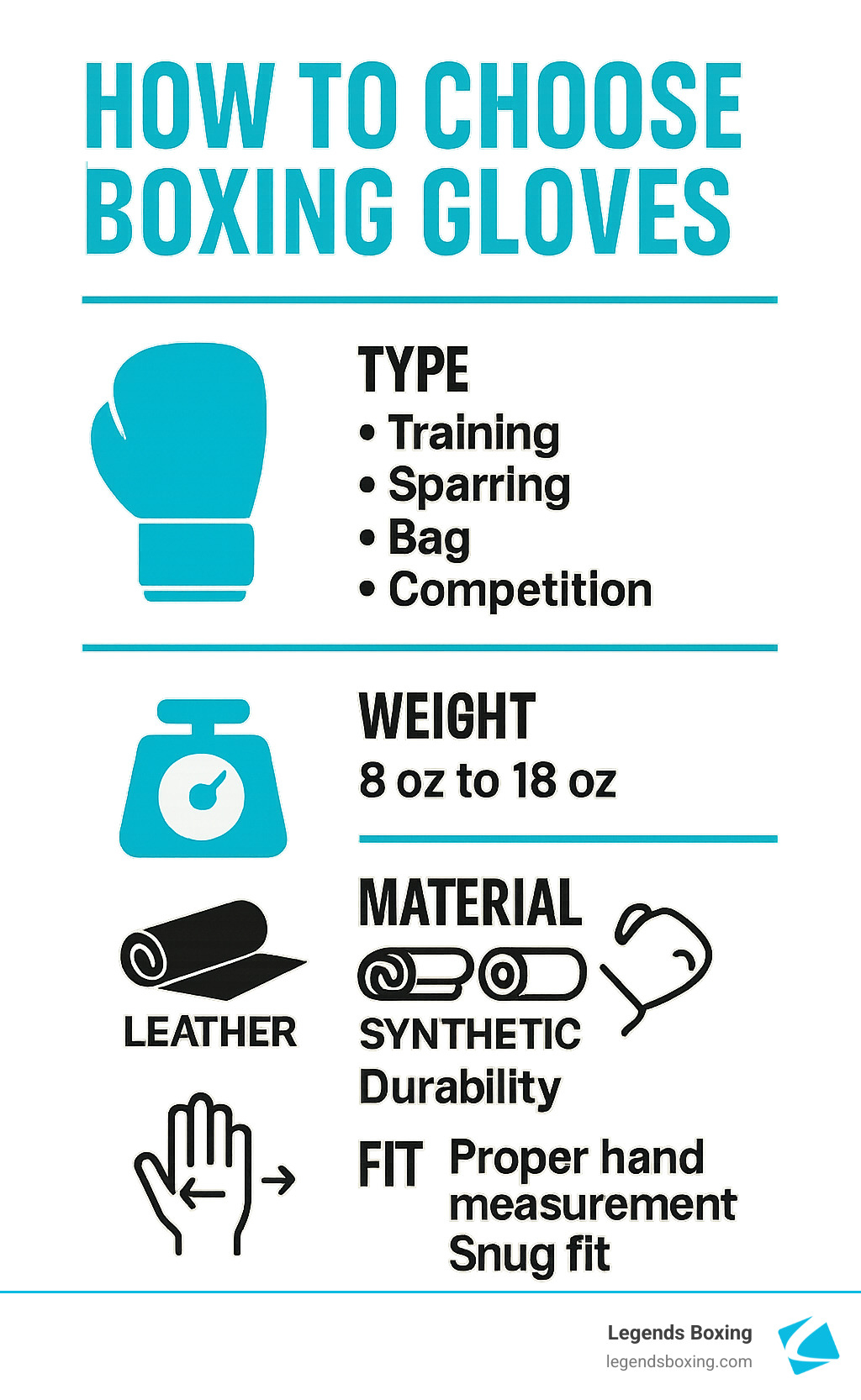
- Match your training goal — training gloves (12–14oz) for general workouts, sparring gloves (16oz) for partner work, bag gloves for heavy bag training
- Choose the right weight — based on body weight: lighter people use 12–14oz, heavier people use 14–16oz for training
- Pick quality materials — leather lasts longer but costs more; synthetic works fine for beginners
- Get the right closure — Velcro for convenience in fitness classes, lace-up for maximum wrist support
- Ensure proper fit — snug but not tight, with room to wiggle fingers when wearing hand wraps
The stakes are high. Your hands contain 27 small bones that are easily broken. The right gloves don't just improve your workout — they protect your most valuable assets and help you punch with proper form for maximum speed and power.
I'm Robby Welch, National Head Coach for Legends Boxing. I've helped thousands of members choose the right gloves for their fitness goals and trained coaches nationwide across our comprehensive boxing programs.
Step 1: Match the Glove to Your Training Goal
The first and most critical step is understanding the glove's intended use. Not all gloves are created equal — each type is designed with specific padding and protection to suit different training activities. Using the wrong glove for the wrong purpose can lead to injury and prematurely wear out your equipment.
Training Gloves: The All-Rounder
Training gloves are the most versatile option, making them an excellent choice for beginners or anyone wanting a single pair for general fitness classes. They offer a balanced mix of padding and protection suitable for various activities.
- Versatility — designed for a mix of bag work, pad work, and light sparring; a hybrid option providing adequate protection and a decent feel for your punches
- Padding — medium-density foam, striking a balance between protecting your hands and allowing you to feel your punches for technique development
- Beginner-friendly — if you're starting your boxing journey in a fitness-focused environment like Legends Boxing, a good pair of 12–14oz training gloves is the ideal starting point
Sparring Gloves
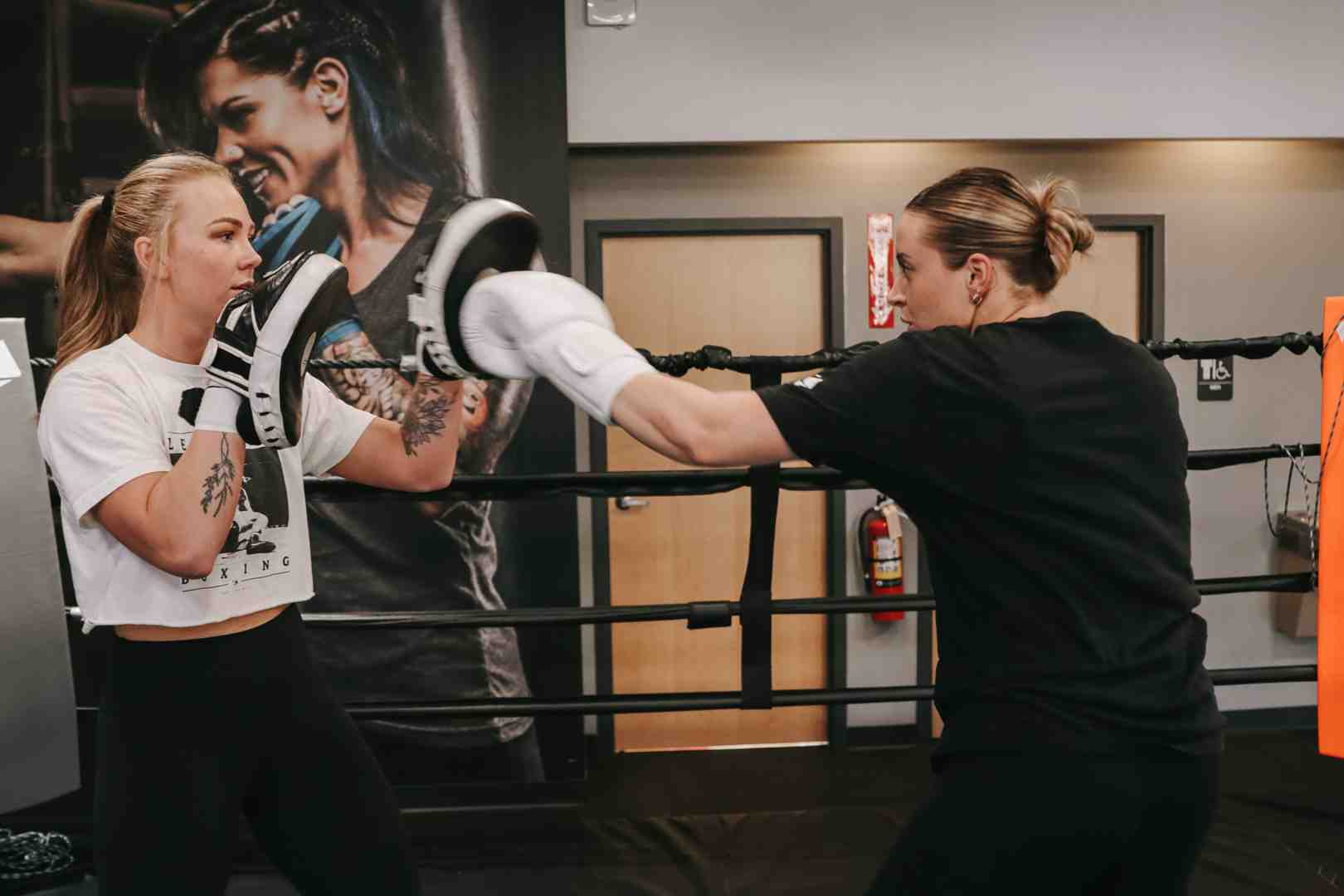
When you're ready to practice with a partner, sparring gloves are essential. These are specifically designed to protect both you and your opponent during controlled practice sessions.
- Partner safety — the primary purpose is to minimize impact on your training partner, achieved with significantly more padding and softer-density foam
- Extra padding — typically heavier (most commonly 16oz, sometimes up to 18–20oz); the increased weight comes from extra foam layers that absorb and distribute force more effectively
- Shock absorption — softer padding cushions blows, reducing the risk of cuts and injuries during sparring
Bag Gloves
Bag gloves are specifically engineered for hitting heavy bags, speed bags, and focus mitts. Built to withstand repetitive, high-impact forces while protecting your hands and wrists.
- Denser, firmer padding over the knuckles than sparring gloves — their goal is to protect your hand from the bag, not a human opponent
- Tactile feedback — allows you to "feel" your punches, which is crucial for technique improvement
- Durability — using separate bag gloves prolongs the life of your sparring gloves, since the repetitive impact of a heavy bag quickly breaks down softer sparring foam
Competition Gloves
Competition gloves are designed for actual fights and adhere to strict regulatory standards. Key distinctions:
Amateur gloves — fighters under light welterweight (141lb) typically use 10oz; welterweight (152lb) through super heavyweight use 12oz; Masters Division (age 41+) use 16oz. These often have a white knuckle area for judges to easily score clean punches.
Professional gloves — welterweight (147lb) and under wear 8oz; super welterweight (154lb) and up wear 10oz. More compact with less padding, allowing for more impactful punches.
Unless you're competing, competition gloves aren't part of your fitness journey — but understanding them completes the picture.
Step 2: How to Choose Boxing Gloves by Weight and Size
Understanding glove weight is where many people get confused. The weight in ounces (oz) tells you how much padding your gloves contain. More padding means better protection, but it also changes how your workout feels.
Think of it this way: wearing 16oz gloves versus 10oz gloves is like the difference between winter mittens and lightweight driving gloves. Both protect your hands, but they serve different purposes.
Decoding Glove Weight (Ounces)
8–10oz — lightweight competition gloves. Minimal padding for maximum speed and impact. Unless you're competing, these aren't for your fitness journey.
12oz — a sweet spot for many fitness enthusiasts. Perfect for pad work, light bag training, and general boxing classes. Often the right balance of protection and performance.
14oz — a popular middle ground. More protection than 12oz while still allowing good hand speed and technique development.
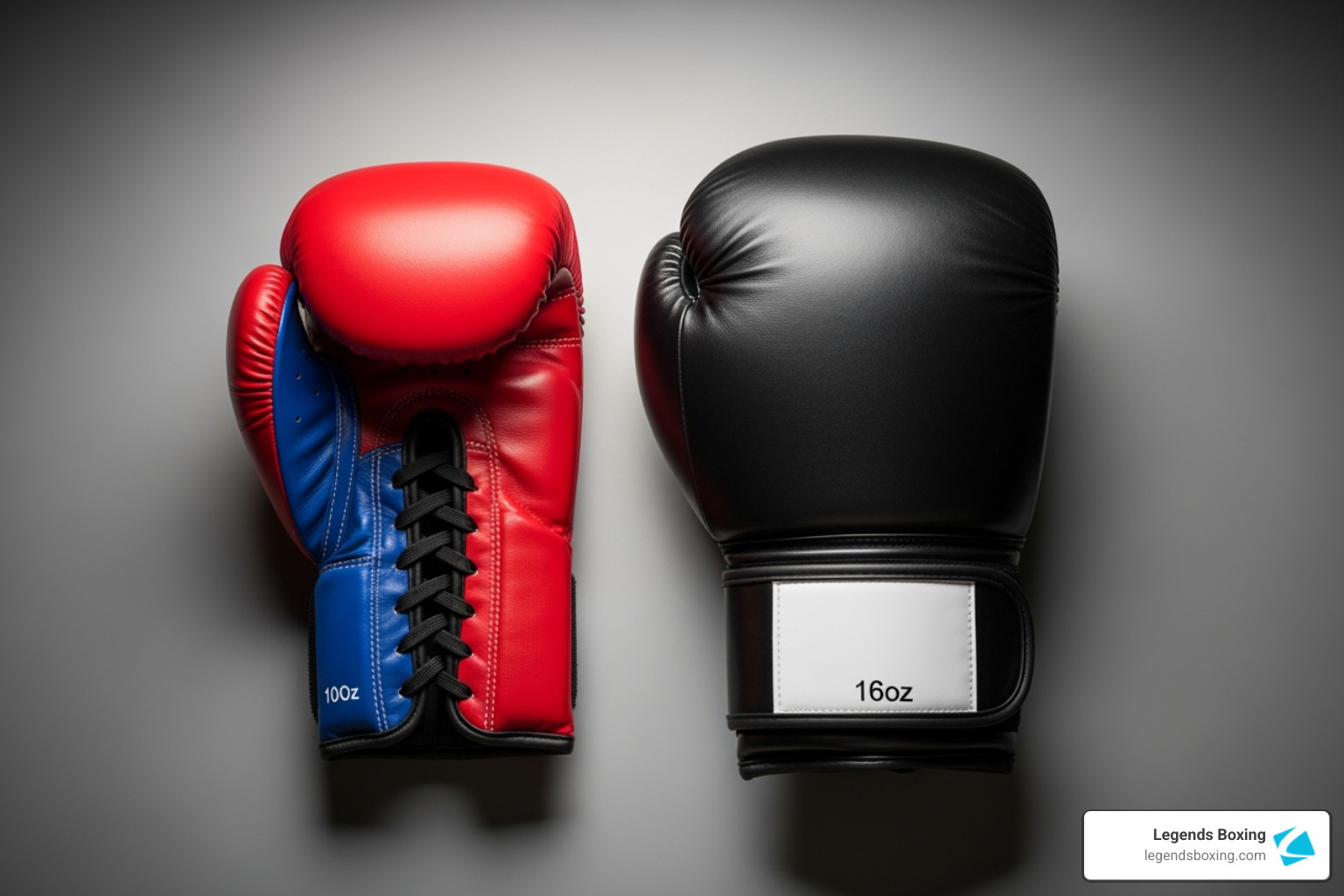
16oz — the gold standard for sparring. Extra padding protects both you and your training partner. Also excellent for building endurance since the added weight makes your muscles work harder.
18oz and heavier — serious protection or endurance training. Heavier fighters often use these for sparring to build arm strength and stamina.
Remember: heavier gloves don't make you hit harder. The extra weight comes from padding designed to soften your punches. If you want more power, focus on technique and strength training — not heavier gloves.
Body Weight Guide for Glove Weight
Your body weight plays a huge role in determining the right glove weight. Heavier people typically generate more force, so they need more padding to protect their hands and training partners.
| Body Weight (lbs) | Bag Work (oz) | Sparring (oz) |
|---|---|---|
| Under 100 | 6–8 oz | 12 oz |
| 100–125 | 10 oz | 12–14 oz |
| 125–150 | 12 oz | 14–16 oz |
| 150–175 | 14 oz | 16 oz |
| 175+ | 16 oz | 16–18 oz |
If you're unsure or want one versatile pair, 12oz or 14oz gloves are excellent starting points for most fitness boxing activities.
Measuring for the Perfect Fit
Weight is only half the equation. A poorly fitting glove can cause blisters or fail to protect your hands. Always measure your hands while wearing hand wraps, as they add bulk that affects the fit.
- Wrap your hands with the wraps you plan to use for training
- Open your dominant hand with fingers slightly spread
- Wrap a measuring tape around the widest part of your hand, just below your knuckles (don't include your thumb)
- Read the measurement in inches:
- 6–7.5 inches → Small / Medium gloves
- 7.5–8.5 inches → Medium gloves
- 8.5–9.5 inches → Large gloves
- 9.5+ inches → Extra-Large gloves
The perfect fit feels snug but not tight. You should be able to make a fist comfortably, your thumb should feel secure, and the wrist support should be firm.
Step 3: Materials and Closures
Once you've nailed down glove type and weight, it's time to look at the details that impact your experience every single session.
Material: Leather vs. Synthetic
Genuine Leather is the gold standard. Incredibly durable, lasting years with proper care. Leather molds to the shape of your hand over time, offering a custom, comfortable fit that synthetics can't match. As a natural material, it breathes better — reducing moisture and odors. More expensive ($60–$400), but a worthwhile investment for serious training.
Synthetic Leather (PU or Vinyl) is much more budget-friendly ($20–$40), making it a fantastic entry-level choice for beginners. Good quality synthetic gloves hold up well for fitness classes and moderate bag work. Vinyl is the least durable of the synthetics, best for very light use. A big plus for synthetics: they're usually easier to clean.
The "sweet spot" for quality and cost is around $70–$80. You typically get an excellent balance of durability and comfort that delivers real value as you grow in the sport.
Closure: Lace-Up vs. Velcro
Lace-Up Gloves offer the most secure and customized fit. When laced correctly, they conform to your hand and wrist, providing unparalleled stability and wrist support — critical for preventing injuries when throwing powerful punches. The main drawback: you need help putting them on, which isn't practical for solo training or fitness classes.
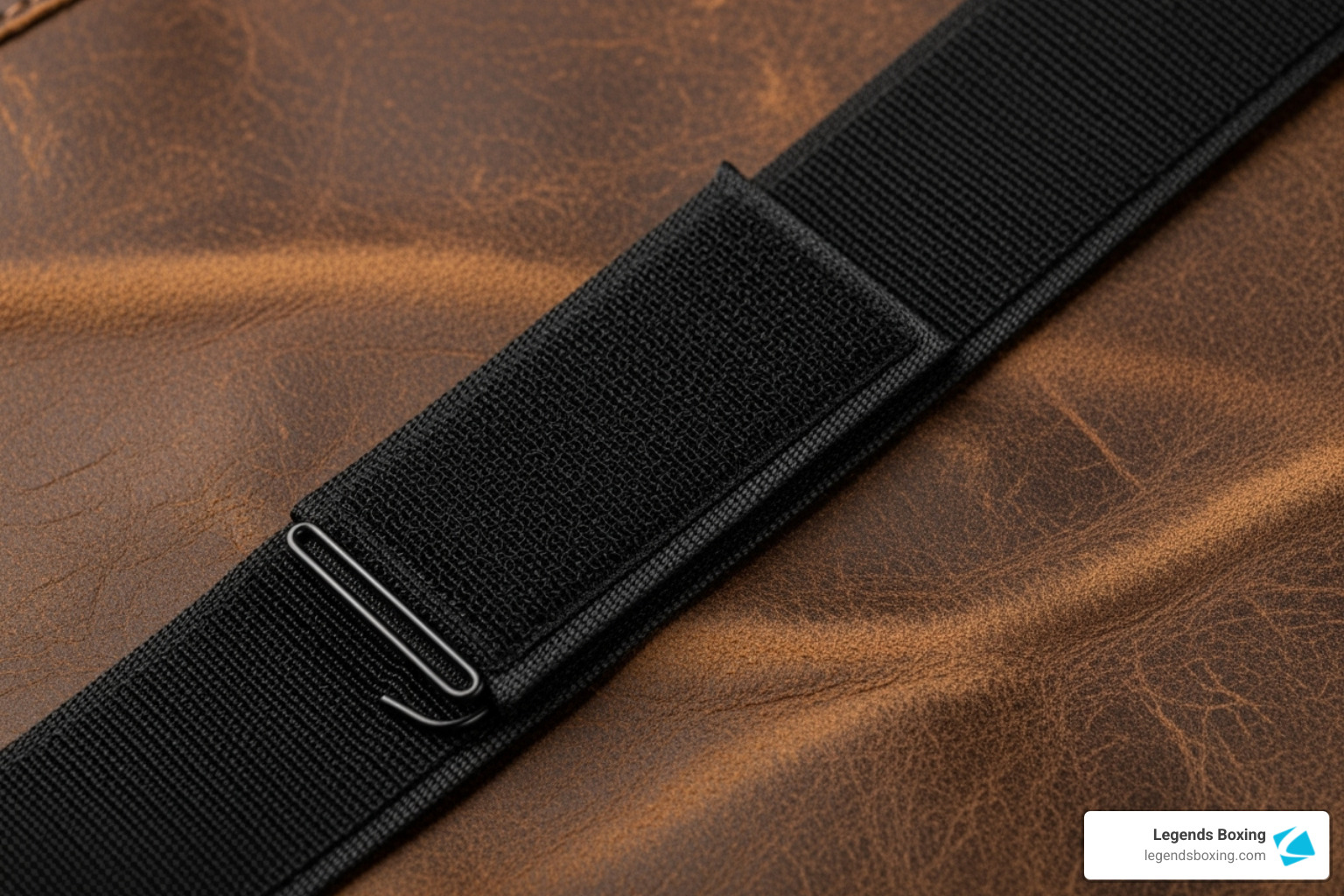
Velcro (Hook and Loop) Gloves are all about convenience. You can put them on and take them off yourself — ideal for busy fitness classes and quick adjustments. Quality Velcro gloves still provide ample wrist support, especially with a wide strap. For Legends Boxing classes, Velcro gloves are overwhelmingly preferred for their ease of use.
Step 4: Final Checks and Long-Term Care
The Try-On Test
Never buy gloves without trying them on with your hand wraps. This might seem obvious, but many people skip it and end up with gloves that don't fit properly.
- Wrap your hands first — hand wraps add significant volume; trying on gloves bare-handed won't give you an accurate feel
- Check finger room — your fingers should have just enough wiggle room, not cramped but not swimming in space
- Make a tight fist and throw shadow punches — does your thumb feel secure? Do your knuckles sit comfortably in the padding?
- Test the wrist support — a good glove should feel like it's giving your wrist a firm, supportive hug. If you can bend your wrist excessively, that glove won't protect you
Keeping Your Gloves in Fighting Shape
Boxing gloves take a beating from impact and sweat. A little care goes a long way:
After every workout:
- Open them up wide and air them out in a cool, dry place — the biggest enemy is trapped moisture, which breeds bacteria and odor
- Wipe down both the inside and outside with a clean cloth
- A light sports equipment disinfectant helps; glove deodorizers or cedar inserts are great investments for absorbing moisture
Warning signs it's time to replace:
- Padding around knuckles feels soft and squishy instead of firm
- Cracks or tears in the outer material
- Persistent foul odor that won't go away
- The glove no longer feels secure or supportive
Most boxing gloves need replacing every 6–12 months with regular use. If you're training 3–5 times a week, expect to be on the shorter end of that range. Worn-out padding isn't just uncomfortable — it's dangerous.
Frequently Asked Questions About Boxing Gloves
Do heavier gloves hit harder?
This is a common myth. No — heavier gloves actually do the opposite. The extra weight comes from additional padding designed to soften your punches, not amplify them. Think of a heavier glove like a bigger pillow: all that extra foam absorbs impact to keep both you and your sparring partner safe.
Real power comes from proper technique, not glove weight. Focus on generating force from your core and perfecting your form — that's what we teach in our boxing fitness classes.
Can I use one pair of gloves for both bag work and sparring?
While it's tempting for budget reasons, it's not recommended. Heavy bag work is brutal on gloves, compressing and breaking down the foam padding. After months of pounding the bag, that padding becomes dense and hard. When you then use those same gloves for sparring, you're hitting your partner with gloves that have lost their shock-absorbing power — that's not fair or safe.
Using separate pairs actually saves you money long-term, as each pair lasts much longer when used for its intended purpose.
What's the difference between amateur and professional competition gloves?
Amateur gloves (10–12oz) prioritize fighter safety — bulkier with more padding, often featuring white-tipped knuckle areas that make it easier for judges to score clean punches.
Professional gloves (8–10oz) are more compact with less padding, designed to allow for maximum impact. Most are lace-up style for a secure fight-night fit.
Find Your Perfect Pair and Start Training
Choosing the right boxing gloves is a foundational step that impacts your safety, comfort, and how much you enjoy your fitness journey. The goal is to find a glove that feels like an extension of your arm.
To recap: match your glove type to your training, use your body weight to pick the right ounce rating, always try them on with hand wraps, choose leather for longevity or quality synthetic for value, and go Velcro for class convenience. Then take care of them and they'll take care of you.
Your hand protection is paramount. At Legends Boxing, we're all about helping you find that perfect match so you can focus on what truly matters: building strength, boosting endurance, and mastering those punches.
Book a free workout with us — come glove up and experience the Legends Boxing difference firsthand. Find your nearest location across Utah, Texas, and Florida.