
Hit Harder, Train Smarter: A Buyer's Guide to Punching Bag Gloves
Choosing the right punching bag glove protects your hands and maximizes every session — whether you're relieving stress or chasing serious fitness goals. This guide breaks down the difference between bag, sparring, and training gloves, the key features to look for (padding, wrist support, materials, weight), top picks for every budget, how to size them correctly with hand wraps, and how to make them last.
Why the Right Gloves Matter for Your Heavy Bag Training
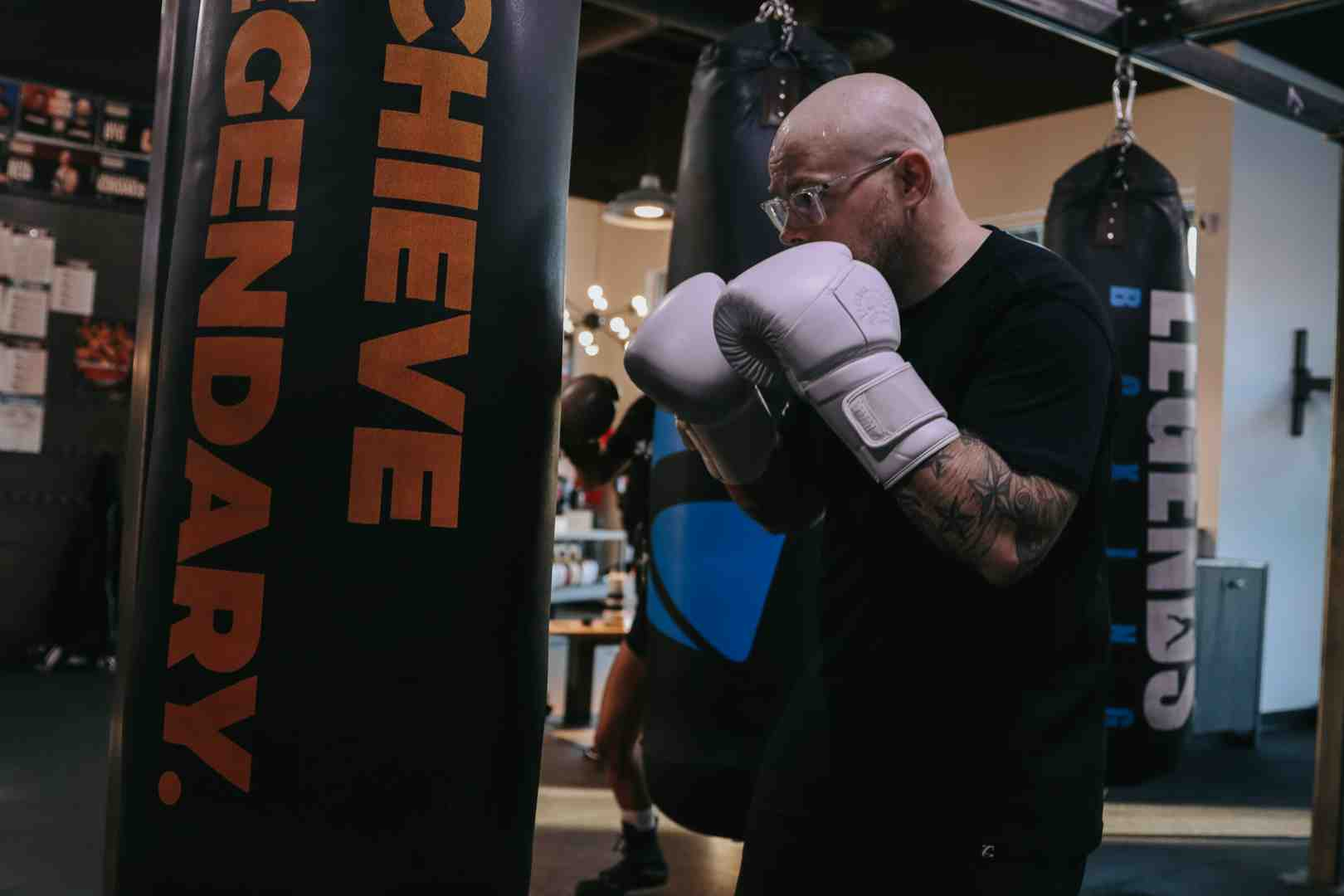
Choosing the right punching bag glove is critical for a good workout. The right pair protects your hands and maximizes effectiveness — whether you're relieving stress or chasing serious fitness goals.
Quick guide to punching bag gloves:
- Bag Gloves: Designed specifically for heavy bag work with durable padding and secure wrist support
- Weight options: 10–12oz for speed, 14–16oz for power and protection
- Materials: Genuine leather (most durable), synthetic leather (budget-friendly), vinyl (entry-level)
- Key features: Multi-layered foam padding, Velcro or lace-up closure, breathable design
- Sizing: Should fit snugly with hand wraps — not pinching, not floating
The wrong gloves can derail your fitness journey. Too small, they pinch fingers and jam thumbs. Too large, your hands float inside, compromising form and power. Quality punching bag gloves absorb impact, maintain proper hand positioning, and help you train harder without injury.
I'm Robby Welch, National Head Coach at Legends Boxing. With experience helping thousands of members, developing coaching programs, and competing in amateur fights, I've seen how the right gear transforms both safety and performance.
Bag Gloves vs. Sparring & Training Gloves: What's the Difference?
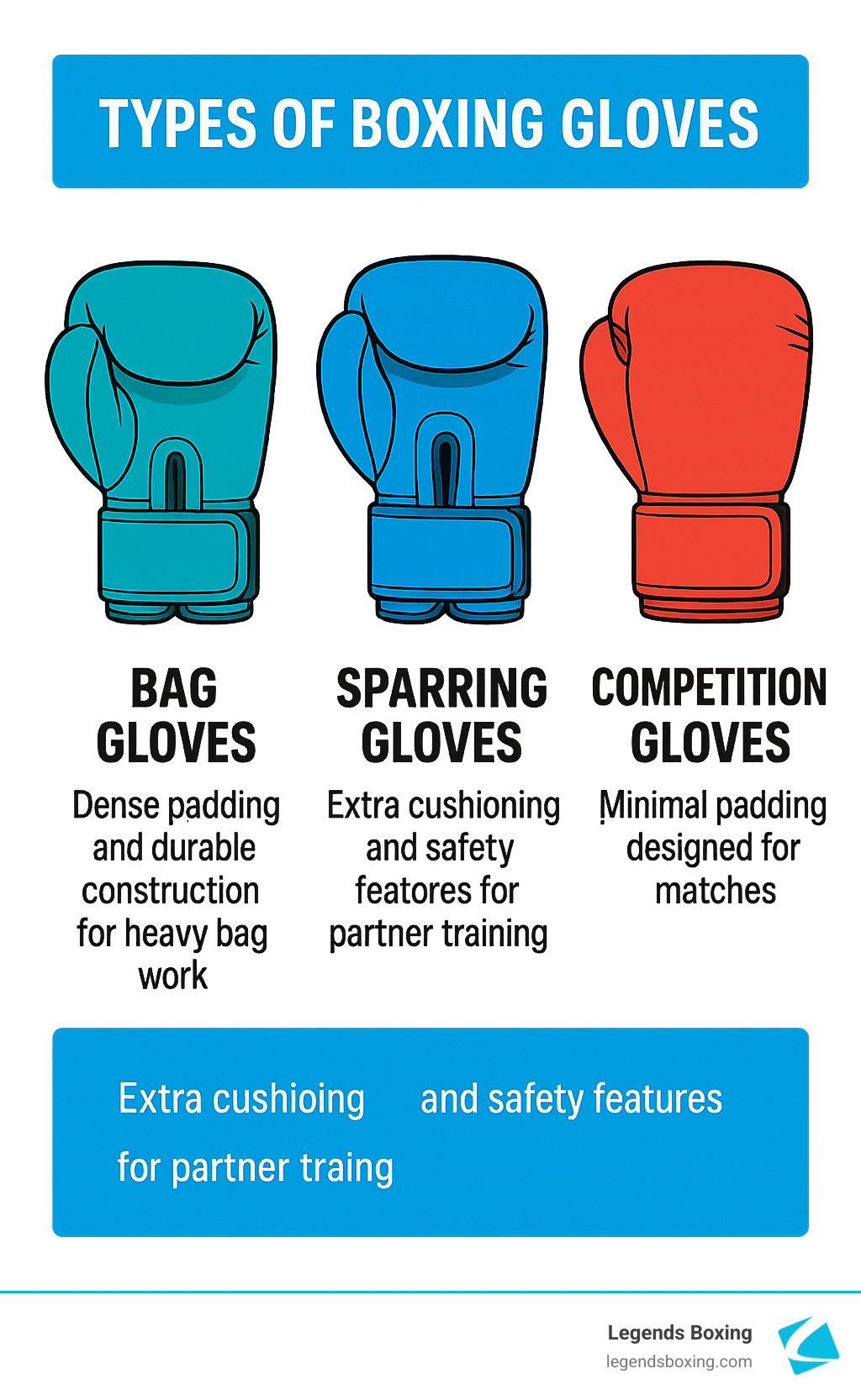
Different boxing gloves serve specific purposes, much like different tools. Understanding these differences is crucial for safety.
Bag gloves are the workhorses of the boxing world — built tough for absorbing punishment from heavy bags, speed bags, and focus mitts. The padding distribution is dense and compact, especially over the knuckles. This firm, multi-layered foam is designed to handle thousands of punches without breaking down. Durability is the priority: tougher materials that withstand grinding against bag surfaces, with knuckle protection and wrist support built to handle constant repetitive impact.
Sparring gloves tell a completely different story. Their main job is protecting your training partner. These gloves pack significantly more padding (typically 14–16oz) that is softer and more shock-absorbent. The key differences are smoother surfaces to prevent cuts and extra cushioning that spreads impact over a larger area.
Here's why using separate gloves matters so much: Heavy bag work gradually compresses and breaks down padding. After thousands of punches, bag gloves develop harder, flatter padding and rougher surfaces. Using those same gloves for sparring is dangerous — it can seriously hurt your partner. It's best to have two separate pairs: one for bag work, one for sparring. This is safer and makes each pair last longer.
Training gloves are a middle ground — a "Swiss Army knife" that's decent at multiple things but not specialized for either. For anyone training regularly, dedicated pairs for each purpose is the smarter long-term investment.
Your Ultimate Guide to Punching Bag Glove Features
Your hands are your most valuable tools. Protecting them prevents injuries that can sideline your training for weeks.
Materials: Leather vs. Synthetics
Genuine leather is the top choice for durability and comfort. It molds to your hand over time for a custom fit and breathes well, reducing sweat and odor. The longer break-in period pays off in longevity.
Synthetic leather (high-quality PU leather) is a great budget-friendly alternative, offering good durability and comfort. It's ideal for beginners and can be very resilient — especially against moisture. Modern synthetics have closed the quality gap significantly.
Vinyl is an entry-level material suitable only for very light, occasional use. It lacks durability and breathability, breaking down quickly and offering minimal protection. Avoid it for regular training.
Padding and Protection
Multi-layered foam is the gold standard. Strategically layered foam of different densities — softer inner layers cushion the hand, denser outer layers disperse impact — provides excellent protection while maintaining glove shape over thousands of punches.
Infused foam uses a single piece of injection-molded padding. This prevents layers from shifting and provides a consistent, comfortable feel during long training sessions. Quality padding absorbs and disperses the energy from your punches, which is the crucial factor for preventing hand injuries.
Wrist Support and Closure Systems
Proper wrist support is essential to prevent injury during bag work. The closure system keeps your wrist aligned and stable on every impact.
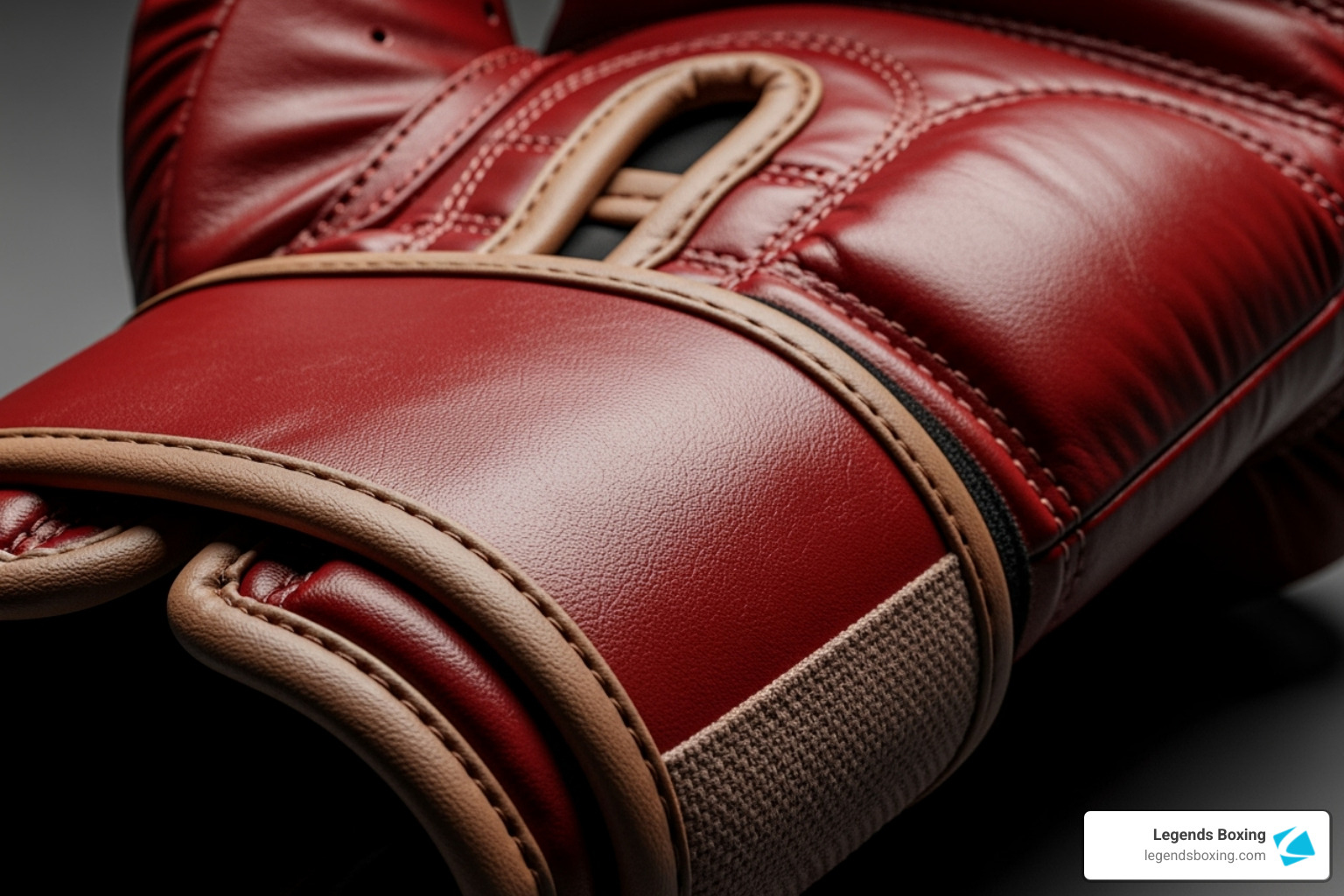
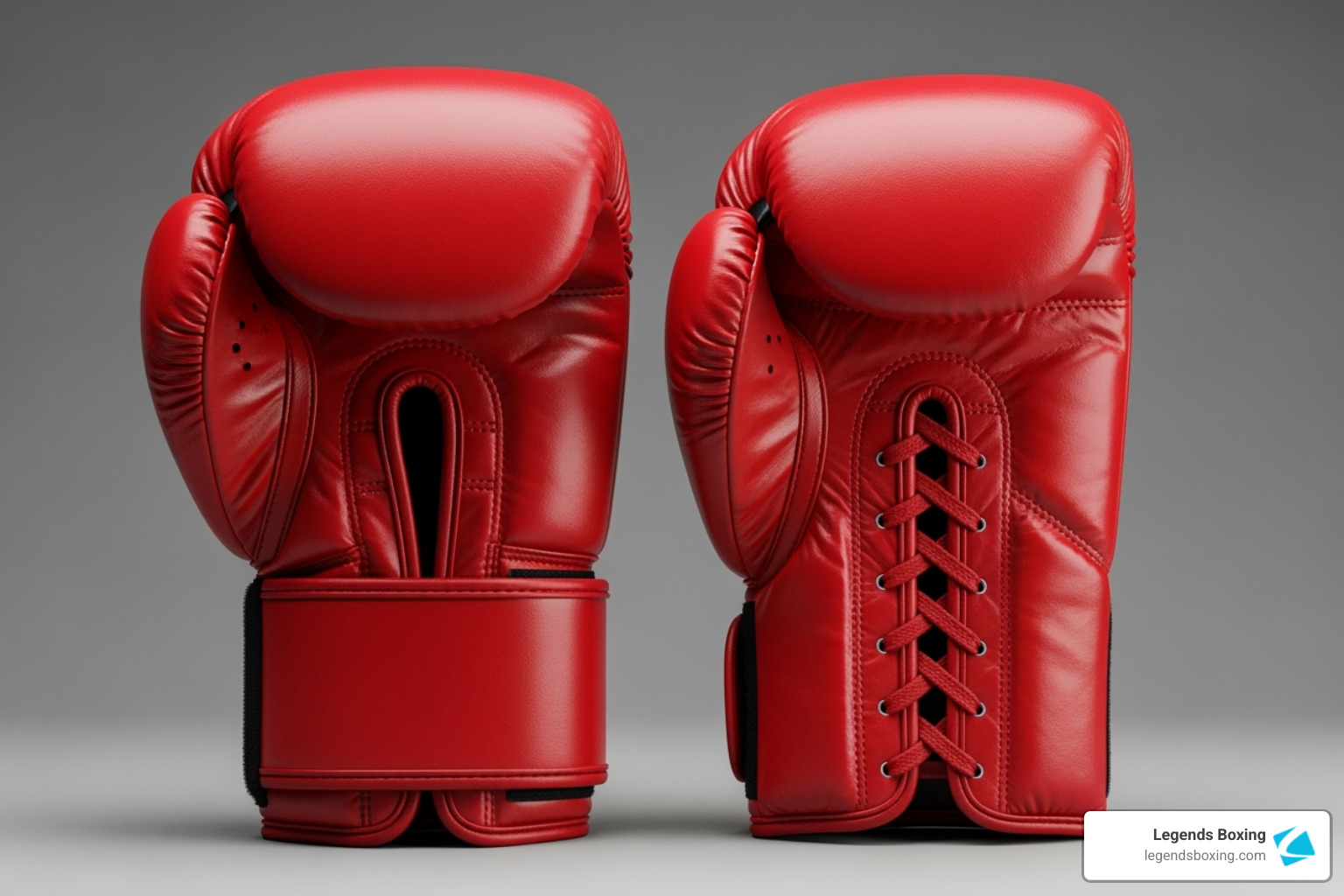
Velcro straps are popular for their convenience and security. Look for wide, wrap-around designs that offer ergonomic support and keep your wrist aligned, preventing dangerous bending on impact. Perfect for solo training — you can put them on and take them off yourself.
Lace-up gloves offer the most secure fit and maximum wrist stability, with fine-tuned tightness adjustment at any point along the wrist. The trade-off: you'll need a training partner to lace you up properly, which slows things down. For most gym-goers and fitness boxers, the convenience of Velcro is the better choice.
Glove Weight: Choosing Your Ounces
Glove weight indicates the amount of padding. Heavier gloves offer more protection but affect training speed and style.
| Weight | Best For |
|---|---|
| 10oz | Speed-focused training; faster hands but less padding — best for experienced boxers working on technique |
| 12oz | Balance of protection and speed; ideal for most boxers (typically 140–190 lbs) who want versatility |
| 14oz | Significantly more protection; ideal for heavier fighters, power punchers, and intense workouts |
| 16oz | Maximum protection; safest choice for beginners or anyone over 180 lbs — excellent shock absorption for extended sessions |
Simple rule: use a lighter glove for speed work, a heavier glove for building power. Factor in your body weight, goals, and experience level.
Top Punching Bag Glove Picks for Every Fighter
Based on years of coaching experience, here are the top choices across every budget and experience level:
| Product | Material | Best For | Key Feature |
|---|---|---|---|
| Fairtex BGV1 | High-Quality Leather | All-around bag work, Muay Thai | Hand-made in Thailand, excellent craftsmanship, compact design, good thumb position |
| Hayabusa T3 | Vylar Engineered Leather | Premium training & protection | Dual-X closure, splinted wrist support, 5-layer foam composition |
| Venum Elite | Skintex Leather (Synthetic) | Versatile training, value | Triple-density foam, reinforced palms, attached thumb for injury prevention |
| RDX Gloves | Maya Hide Leather (Synthetic) | Budget-friendly durability | Long wrist support, ventilated palm, multi-layered padding |
For the Dedicated Boxer: Premium Performance
The Hayabusa T3 is in a class of its own for serious training. The Dual-X closure system provides a secure, brace-like fit ensuring perfect wrist alignment for better power transfer and hyperextension prevention. Built-in splints prevent unwanted wrist bending on hard impacts.
Inside, a 5-layer foam composition provides sophisticated shock absorption — different layers offer comfort and disperse impact, keeping hands fresh even after long sessions. A higher price tag, but a genuine long-term investment in hand health and training consistency.
The All-Rounder: Best Value and Quality
The Venum Elite offers professional-grade protection without the premium price. Durable Skintex leather holds up well to consistent heavy bag use. The triple-density foam system works in layers: soft inner foam cushions knuckles, a medium layer absorbs shock, a firm outer layer distributes impact. Reinforced palms and an attached thumb design add durability and injury prevention. Outstanding value for the money.
The Budget-Friendly Starter: Solid and Affordable
The RDX Ego Gloves deliver reliable performance for beginners at an accessible price. Maya Hide leather resists cracking and wear from frequent bag use. Long wrist support extends up the forearm — especially valuable for beginners who are still learning proper wrist alignment. A ventilated palm design improves airflow and reduces odor. Great if you're training a few times a week and not ready to commit to a premium price.
Sizing, Fit, and Maintenance
How to Choose the Right Size
A properly fitted punching bag glove is essential for both protection and performance.
Always try on gloves with your hand wraps on. Hand wraps add bulk — a glove that fits without them will be too loose with them, compromising wrist support. The fit should be snug but not restrictive. Your fingers shouldn't be pinched, and your thumb shouldn't feel jammed. If your hand "floats" inside, the glove is too big.
Since each brand fits differently, hand circumference alone isn't enough — try them on when possible. Most manufacturers provide general sizing guidelines based on body weight. For kids ages 3–10, gloves typically come in 2oz, 4oz, and 6oz weights.
If you're near one of our locations, we'd love to help you find the perfect pair. Find your nearest Legends Boxing to get hands-on help from our team.
Best Practices for Glove Care
With a few simple habits, you can keep your punching bag glove fresh and extend its lifespan significantly.
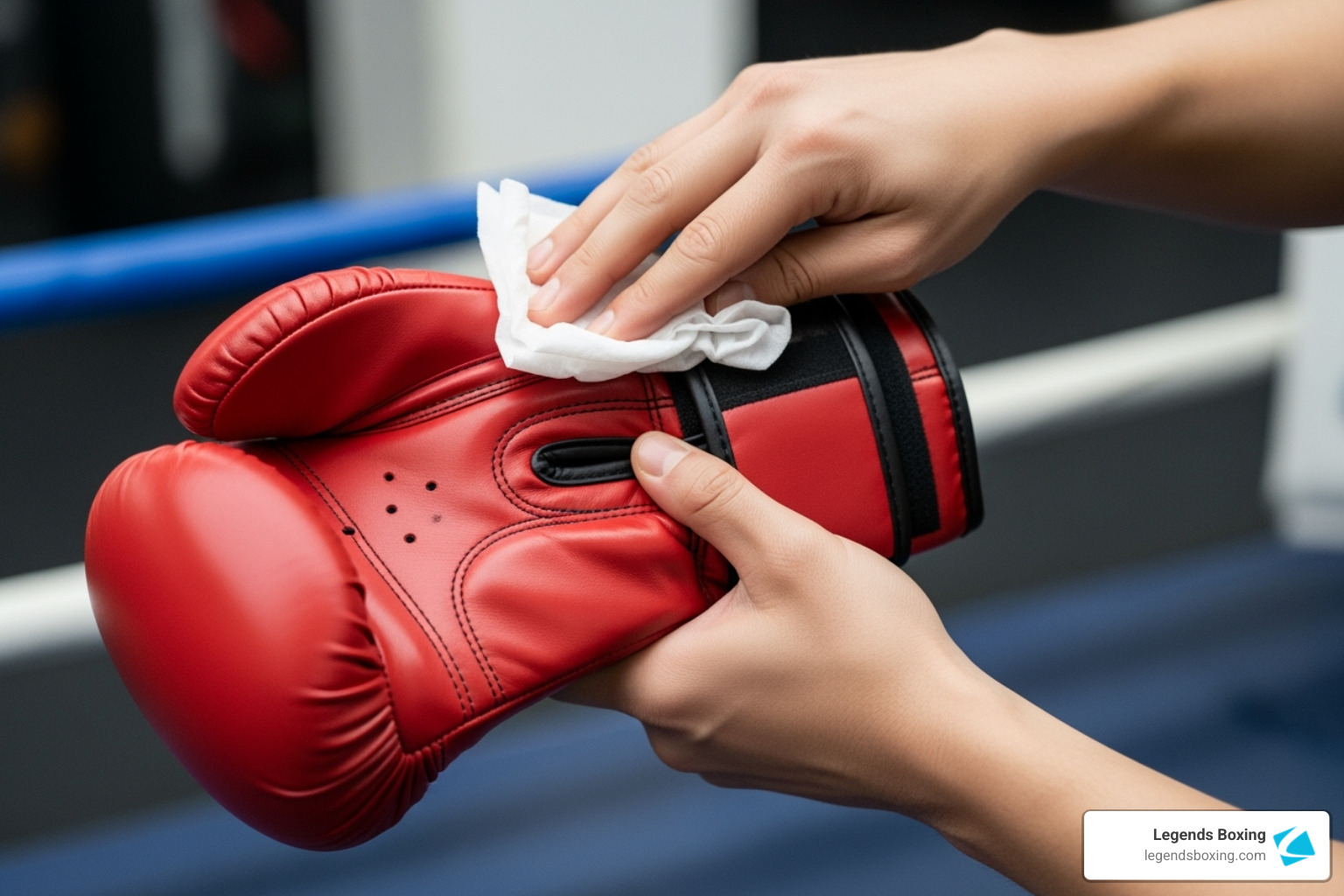
Wipe them down after every workout. Use a clean cloth on the inside and outside to remove sweat and grime before it soaks in.
Never leave sweaty gloves in your gym bag. This breeds bacteria and odor fast. Open them wide and air dry in a ventilated area — a fan speeds up the process dramatically.
Use glove deodorizers. Cedar bags or charcoal inserts absorb moisture and neutralize odors between sessions.
Store properly once dry: cool, dry place away from direct sunlight.
Avoid the washing machine unless the manufacturer specifically says it's okay — it can destroy the padding and construction. Hand wraps absorb most of the sweat that would otherwise soak your gloves, so wash your wraps regularly to keep your gloves cleaner.
Frequently Asked Questions About Punching Bag Gloves
Can I use one pair of gloves for both bag work and sparring?
Not recommended — and the reason is safety. Heavy bag work breaks down padding over time, compressing the foam and making gloves less protective. Using worn-down bag gloves for sparring is dangerous: the hardened padding and rougher surfaces can cause cuts and seriously injure your partner. As the padding breaks down, your own hands lose protection too.
Two separate pairs is the right answer: one for bag work, one for sparring. Each pair lasts longer when used correctly, and your training partners stay safe.
How do I know when it's time to replace my gloves?
Think of your gloves like car tires — replace them before they become a safety hazard. Watch for these signs:
- Cracked leather, frayed seams, or worn-out Velcro — visible wear is a clear signal
- Compressed or flattened padding — if the foam over the knuckles feels thin or doesn't bounce back when pressed, the protection is gone
- Loose fit even with hand wraps — if your hand floats, wrist support is compromised
- Increased hand pain or decreased protection felt during training — your gloves are telling you they're done
Replace immediately if padding is visible through the material.
Should I wear hand wraps with my bag gloves?
Absolutely — hand wraps are non-negotiable for training. Your hands have 27 delicate bones. Hand wraps provide crucial support to those bones and the joints in your hands and wrists, preventing fractures and sprains by absorbing impact. They also stabilize your fist, helping you form a proper punch for better technique and less injury risk.
As a bonus: hand wraps absorb sweat, protecting your gloves from moisture, reducing bacteria and odor, and helping them last longer. Always wrap up before you glove up.
Step Into the Ring With Confidence
Choosing the right punching bag glove is about setting yourself up for a successful boxing journey. The key factors are clear: understand glove types, select for quality materials and multi-layered padding, prioritize solid wrist support, and pick the right weight for your goals.
Investing in quality gear is training smart and staying injury-free. Proper hand protection allows for consistent training without fear of sore knuckles or sprained wrists — and consistency is what actually transforms your fitness.
At Legends Boxing, our members find strength and confidence through our unique fitness classes. There's something empowering about hitting the heavy bag knowing you're fully protected, whether you're here to relieve stress, build strength, or try something completely new.
You don't need any boxing experience to get started. Our coaches are experts at helping beginners feel comfortable and confident from day one.
Book a free workout at one of our locations and step into the ring with complete confidence. Find your nearest Legends Boxing — we'll help you get the gear right and the training started.